Your camera sees what words can't say—learn to document stories that need telling.
Learn documentary photography fundamentals through real-world assignments that capture authentic human stories, environments, and moments with purpose and impact.
Documentary photography strips away the staged and polished to reveal what's actually happening. It's not about getting the perfect shot—it's about being present when something real unfolds. You'll learn to observe without interfering, anticipate decisive moments, and build visual narratives that give viewers context they wouldn't otherwise have. This means shooting in sequences, not single frames. It means waiting for the light to shift across a subject's face or returning to the same location three times until the story clicks. The assignments here push you beyond snapshots. You'll document a single block over different times of day, follow a stranger's morning routine (with permission), or create a photo essay about an overlooked community space. Real documentary work requires ethical consideration—knowing when to shoot, when to ask, when to put the camera down. You'll develop an editing eye that separates compelling imagery from filler, building sequences that show change, contrast, or progression. Your output isn't just pictures—it's visual evidence of how people live, work, and move through spaces. The best documentary photographers become invisible observers who capture unguarded authenticity. Morning light hits differently than afternoon glare; weekday energy differs from weekend stillness. You'll learn these rhythms by repeatedly visiting your chosen subject until patterns emerge and you can pre-visualize moments before they happen.
Documentary photography gives you access to unguarded moments most people never notice—the way weekday energy differs from weekend stillness, how a stranger's routine reveals larger truths. Your images become visual evidence of how people actually live, not how they pose for cameras. The best work makes you invisible while making hidden stories unmissable.
Choose an overlooked story—a changing neighborhood, weekly market, public space at different hours, or local worker's routine. Visit at various times to notice when people gather, when light becomes dramatic, and when activity peaks. Take mental notes rather than shooting yet.
Establish context with wide environmental shots showing the full scene. Move closer for medium shots capturing interactions, expressions, and decisive moments. Capture detail shots—weathered hands, worn tools, peeling paint—that add texture and rhythm.
Capture 5-10 frames around key moments to show progression, reaction, and aftermath. Return to your location multiple times—first visits capture obvious moments, but subsequent sessions reveal patterns and less self-conscious subjects. Respect your subjects by introducing yourself and asking permission when appropriate.
Cut down to 10-15 strong images that create a cohesive narrative. Look for visual variety (wide/medium/close), tonal range (light/shadow), and emotional arc. Sequence deliberately: start with context, build tension through the middle, end with resolution or a thought-provoking frame.
Get everything you need to make this quest amazing.
Forces intentional composition and footwork while providing superior image quality and depth control compared to zoom lenses. The fixed perspective trains your eye to pre-visualize frames before raising the camera.
Fixed focal length lens with wide aperture (f/1.8 or f/1.4) for low-light shooting and subject isolation
Documentary editing requires consistent tonal processing across series. Develop a signature look through controlled highlights, shadows, and color grading that enhances without distorting reality.
Mobile or desktop RAW editing software with non-destructive adjustments
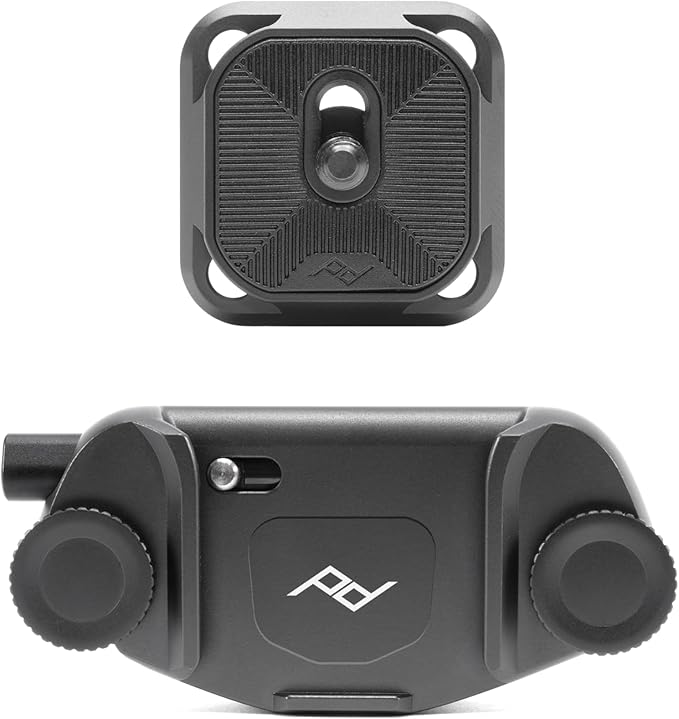
Documentary moments don't wait for you to dig a camera from a bag. This keeps your camera secure but immediately grabbable, critical for capturing unplanned decisive moments without fumbling.
Camera mounting system that clips to backpack straps or belts for instant access
Enables wide apertures in bright conditions for shallow depth control and motion blur effects during midday shoots when documentary subjects are most active.
Adjustable neutral density filter that reduces light entering the lens by 3-6 stops
RELATED GEAR GUIDE
Phone Photography Kit: 9 Picks for Better Shots
Field-tested picks · Creative Arts
As an Amazon Associate, IRL Sidequests earns from qualifying purchases at no extra cost to you.
Prices and availability are subject to change. The price shown at checkout on Amazon at the time of purchase will apply.
Hand-selected quests our team thinks you'll love

Wake up with the birds and see your neighborhood through new eyes.

The best way to learn creative skills? Make bad art until it gets good.

Your hands built the first bowls 20,000 years ago. They still can.