Your city becomes a game board when you design the challenges yourself.
Build a physical deck of hand-crafted quest cards that turn your city into a playable game board. Learn to design, prototype, and test your own activity discovery system.
The best adventure systems aren't downloaded—they're hand-built. Spend an afternoon designing your own deck of quest cards, each one a mini-challenge tailored to your actual neighborhood. You'll sketch icons, write prompts that feel like treasure map instructions, and prototype cards on blank index stock. The process teaches you what makes activities stick: the right balance between structure and surprise, difficulty and delight. This isn't about perfect graphic design. It's about creating a physical tool that pulls you off the couch. Your deck might include "Find a building older than your grandparents," "Order coffee in a terrible accent," or "Photograph three different textures on one block." The cards work because you know which coffee shop has the friendliest barista, which alley has the best graffiti, which park corner catches sunset light. Once your deck exists, it becomes a decision-making tool. Can't figure out what to do Saturday morning? Draw three cards, pick one. The tactile shuffle beats scrolling through apps. You'll refine cards after field-testing them—some prompts sound fun but fall flat, others become instant favorites. After a month, your deck becomes a log of what you've actually done, edge-worn and coffee-stained, proof you showed up.
Brainstorm 30 activity ideas specific to your area. Walk your neighborhood first if you need inspiration—note interesting storefronts, weird statues, hidden staircases. Write each idea as a single sentence starting with an action verb.
Sort your ideas into difficulty tiers: Easy (under 15 minutes, low effort), Medium (30-60 minutes, requires planning), Hard (half-day commitment or social courage). Aim for a 50/30/20 split across tiers.
Design your card template on paper first. Include: quest name at top, difficulty indicator (dots, stars, whatever), time estimate, the actual prompt (2-3 sentences max), and a small sketch area for an icon. Keep it minimal—you're making 20+ of these.
Create 20-25 final cards using blank index cards or cardstock. Hand-letter them with brush pens, or print templates if your handwriting is truly illegible. Add simple icons or doodles that hint at each quest without explaining it fully.
Laminate your cards with clear contact paper or packing tape if you want them weather-resistant. They'll live in your bag, get rained on, survive pocket lint. Durability matters more than perfection.
Field-test five random cards over one week. Note which prompts were too vague, which took longer than expected, which made you smile. Rewrite the duds. Add three new cards based on what you learned.
Store your deck in a small tin or card box you can grab quickly. The lower the friction to use it, the more you'll actually draw cards instead of defaulting to your phone.
Get everything you need to make this quest amazing.
Provides a durable base that feels substantial when shuffled and survives repeated handling better than regular paper
Heavy-weight unlined card stock in a standard playing card size or slightly larger
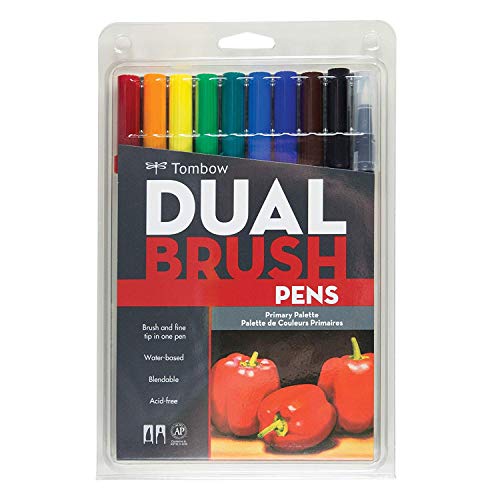
Lets you create clean headers and fluid icons without needing artistic skill—the brush tip naturally produces interesting letterforms
Water-based markers with both fine and brush tips in multiple colors
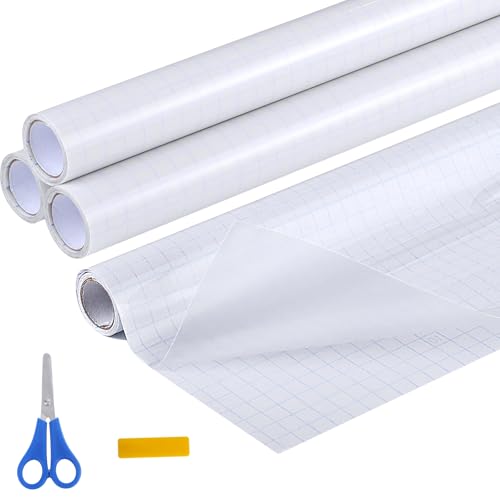
Protects your cards from rain, spilled drinks, and pocket wear so your deck survives actual field use for months
Self-adhesive transparent plastic sheeting for waterproofing
Makes your deck grabbable and portable—the tactile click of opening the tin becomes part of the ritual of drawing a quest
Small hinged tin case sized for playing cards or business cards
As an Amazon Associate, IRL Sidequests earns from qualifying purchases at no extra cost to you.
Prices and availability are subject to change. The price shown at checkout on Amazon at the time of purchase will apply.
Hand-selected quests our team thinks you'll love

Wake up with the birds and see your neighborhood through new eyes.

The best way to learn creative skills? Make bad art until it gets good.

Your hands built the first bowls 20,000 years ago. They still can.