
Side Quest Generator: Create Your Own Adventure System
Turn your daily grind into a game you actually want to play—with cards you built yourself.
About This Quest
Design a physical card-based quest system that turns everyday activities into achievable challenges. Create categories, assign XP values, and build your own IRL gaming framework.
You've seen the gamification apps. You've tried the habit trackers. But nothing hits quite like shuffling through a deck of physical challenge cards you designed from scratch. This quest walks you through building a modular side quest system using index cards, color coding, and a simple point structure that actually makes sense for your life. The beauty here is the tactile element—when you draw a card that says "Cook a meal with three ingredients you've never used" or "Take a different route home and photograph one thing that surprises you," you're holding something real. No notifications. No algorithm deciding what you should do today. You start by defining 5-6 categories (social, creative, physical, learning, exploration), assign difficulty tiers, and create 20-30 cards to rotate through. The system lives in a small box on your counter, and you pull one card each morning or whenever you need a nudge. After a month of testing, you'll know which categories you actually complete versus which ones you avoid. That data tells you something about yourself. The cards you keep pulling? Those are your actual values, not the ones you think you should have. You can trade cards with friends, build expansion packs, or create seasonal limited-edition challenges. It's part bullet journal, part tarot deck, part achievement system—and it works because you're the game designer.
Why This Quest Matters
You'll end up with a game system that reflects your actual interests instead of someone else's productivity agenda. The tactile act of shuffling and drawing a physical card bypasses the notification fatigue of apps—it's a small ritual that genuinely resets your sense of possibility for the day. After a month, the pattern of which cards you complete versus which you dodge tells you more about yourself than any personality test.
What You'll Experience
- How to design difficulty curves that actually motivate you instead of overwhelming you
- Which activities you claim to value versus which ones you actually complete when given the choice
- The satisfaction of building a personalized achievement system that evolves with your real life
- How physical, analog tools can break the algorithm trap of digital habit trackers
What You'll Need
Top gear to make this quest great.
Pull it off
Blank Index Card Set (100 count, ruled, color-coded)
Provides durable, writable surfaces that can withstand repeated handling and shuffling. Color-coding makes it easy to sort categories at a glance without reading every card.
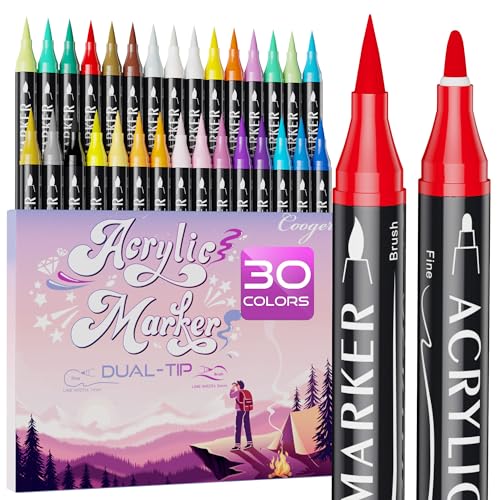
Fine tips for detailed quest descriptions, chisel tips for bold category labels and XP values. Permanent ink prevents smudging during shuffling and daily handling.
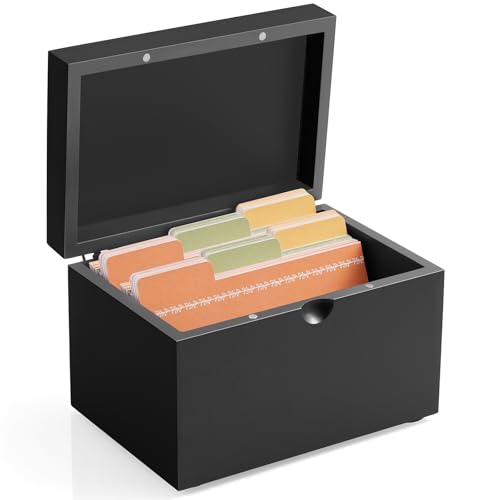
Keeps your quest deck organized by category, protects cards from wear, and creates a dedicated physical space that signals 'this is important' on your counter or desk.
As an Amazon Associate I earn from qualifying purchases. Prices may change.
Step-by-Step Guide
Sort and color-code your card deck
Grab 50 blank index cards (4x6 size) and divide them into 6 stacks—one for each quest category you're tracking (social, creative, physical, learning, exploration, or whatever fits your life). Write the category name on the back corner of each card in its stack. Use different color markers for each category so you can sort visually later.
💡 Pro Tips:
- • Don't overthink category names—you'll refine them after your first month of testing
Design your difficulty and XP system
Create three tiers: Everyday (10 XP, under 30 minutes), Challenge (25 XP, 1-2 hours or comfort-zone push), Epic (50 XP, half-day commitment or genuinely difficult). Write the XP value in the top right corner of each card as you fill them in.
💡 Pro Tips:
- • If you're never completing Epic quests after a month, your scale is off—adjust the thresholds
Write 20-30 quest cards with real actions
Front of card: clear action verb plus specific outcome—"Photograph 10 different textures in your neighborhood" beats "go take photos." Back of card: 2-3 sentences explaining why this matters or what you'll learn, plus any supplies needed. One quest per card, spread across your categories.
💡 Pro Tips:
- • Vague quests get skipped—the more concrete the outcome, the more likely you'll actually do it
Add modifier cards to randomize gameplay
Create 5-6 bonus cards: "Double XP," "Team Quest (grab a friend)," "Speed Run (half the usual time)," "Hard Mode (add one constraint)." Shuffle these randomly into your deck. When you draw one, it modifies your next quest card.
Set up your tracking sheet and rewards
Build a single-page tracker with 6 columns (one per category) and rows for weeks. Mark an X each time you complete a quest and add the XP to your running total. Set milestone rewards at 250 XP, 500 XP, 1000 XP—whatever feels meaningful, like a fancy coffee, a book, or a day trip.
💡 Pro Tips:
- • Keep the tracker visible next to your card deck so you actually update it
Place and draw from your deck daily
Store your deck somewhere you'll see it every day—kitchen counter, desk, nightstand. Each morning or whenever you have free time, shuffle and draw one card. Can't do it today? Draw another or return it to the deck. The system only works when it stays optional, not obligatory.
Audit and evolve your deck monthly
After 3-4 weeks, review which cards you kept avoiding—either rewrite them to be more appealing or admit you don't care about that category. Which cards did you complete immediately? Create harder versions. Add 5 new cards, retire 5 stale ones. Your deck should change as you do.
💡 Pro Tips:
- • The cards you avoid reveal your actual priorities versus the ones you think you should have
Gear Up for Your Quest
The gear that makes this quest work.
Pull it off

Blank Index Card Set (100 count, ruled, color-coded)
Provides durable, writable surfaces that can withstand repeated handling and shuffling. Color-coding makes it easy to sort categories at a glance without reading every card.
+ complete the kit — 3 more

Fine tips for detailed quest descriptions, chisel tips for bold category labels and XP values. Permanent ink prevents smudging during shuffling and daily handling.
Waterproof marker set with multiple colors for writing and color-coding
Get on Amazon · $11.68 — Dual-Tip Permanent Markers (fine and chisel point)details & deals →
Card Storage Box with Dividers
RecommendedKeeps your quest deck organized by category, protects cards from wear, and creates a dedicated physical space that signals 'this is important' on your counter or desk.
Small wooden or acrylic box with labeled divider sections
Get on Amazon · $16.98 — Card Storage Box with Dividersdetails & deals →
Corner Rounder Punch
OptionalPrevents card corners from bending and fraying over time. Makes the deck feel more like a professional game component rather than office supplies, which increases your likelihood of actually using it.
Hand punch tool that rounds card corners to 1/4 inch radius
Get on Amazon · $14.99 — Corner Rounder Punchdetails & deals →RELATED GEAR GUIDE
Fermentation & Canning Kit: 8 Beginner Picks
Field-tested picks · Creative Arts
As an Amazon Associate, IRL Sidequests earns from qualifying purchases at no extra cost to you.
Prices and availability are subject to change. The price shown at checkout on Amazon at the time of purchase will apply.
Editor's Picks
Hand-selected quests our team thinks you'll love

Dawn Patrol: Your First Bird Watching Adventure
Wake up with the birds and see your neighborhood through new eyes.

Creative Skills Quest Hub: Learn By Doing
The best way to learn creative skills? Make bad art until it gets good.

Hand-Built Ceramic Bowl Workshop
Your hands built the first bowls 20,000 years ago. They still can.
Not this one?
Get a different side quest in 30 seconds
Tell the generator how much time you have, who you're with, and your mood — it picks from 500+ quests like this one.
Try the real life side quest generator