
Complete Culinary Skills Quest Hub: From Kitchen Novice to Home Chef
Stop following recipes blindly—learn the techniques that make you actually understand what you're doing in the kitchen.
About This Quest
A structured progression system for building fundamental cooking skills through hands-on kitchen challenges, from knife work to sauce making.
Most cooking advice throws you into complicated recipes without teaching the fundamentals. You're following instructions like a robot, but you don't actually know why you're doing what you're doing. This progression path breaks cooking down into discrete, masterable skills—the kind professional cooks learn in culinary school, but structured for your home kitchen. You'll move through 12 focused challenges that build on each other: knife skills that actually make prep faster, heat control so you stop burning garlic, emulsions that don't break, stocks that taste like something. Each challenge includes a specific technique to practice, a benchmark recipe to test it, and troubleshooting for when things go wrong. By the end, you're not just following recipes—you're understanding the mechanics behind cooking and can improvise with confidence. This isn't about fancy plating or exotic ingredients. It's about getting your mise en place tight, knowing when fish is actually done, and building flavors in layers instead of dumping everything in at once. The difference between someone who cooks and someone who can really cook comes down to these fundamentals.
Why This Quest Matters
Once you understand why garlic burns, how proteins set, and what actually makes sauce cling, you stop fearing the kitchen. You'll open the fridge, see random ingredients, and know exactly how to turn them into dinner. That confidence—improvising a meal that makes people lean back in their chairs with satisfaction—feels like unlocking a superpower you'll use for the rest of your life.
What You'll Experience
- Knife skills fast enough to prep dinner in 10 minutes instead of 40
- Heat control that prevents burnt garlic and gives you restaurant-quality sears
- How to build stocks, emulsions, and sauces that actually taste like something
- Cooking proteins to perfect doneness by touch, not guesswork
- The ability to improvise full meals without recipes
What You'll Need
Top gear to make this quest great.
Pull it off
8-Inch Chef's Knife (Western or Japanese style)
The single most important tool in your kitchen. A sharp, quality knife makes precise cuts safer and faster, and proper knife work is the foundation of all cooking techniques. Cheap dull knives force bad habits and slow you down.
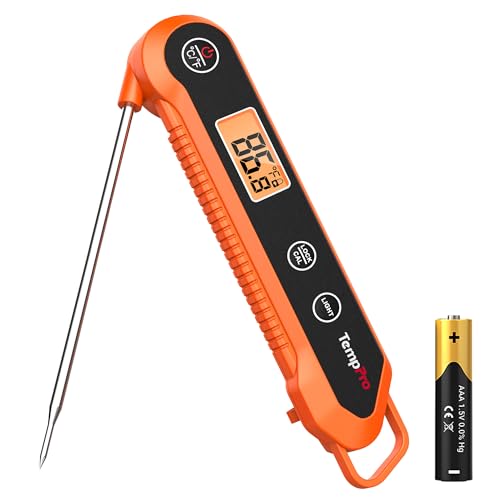
Eliminates guesswork for cooking proteins to proper temp. You'll stop overcooking chicken and undercooking pork once you have actual temperature data instead of cutting everything open to check.
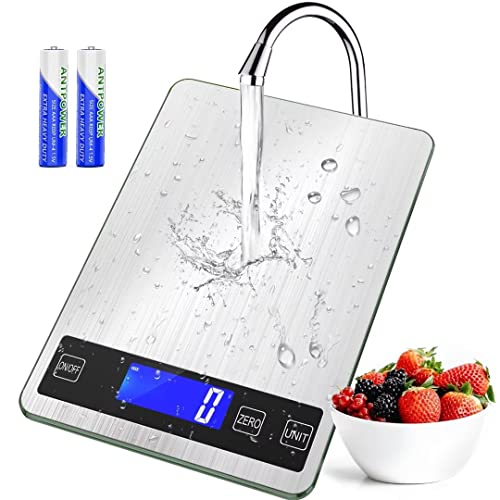
Baking and precise ratio work require weight measurements, not volume. Once you start weighing ingredients, you'll notice your consistency improves dramatically—especially for stocks, doughs, and emulsions.
As an Amazon Associate I earn from qualifying purchases. Prices may change.
Step-by-Step Guide
Master knife fundamentals and speed
Practice your grip and the rock chop until you can dice 2 onions, 3 carrots, and 2 celery stalks in under 10 minutes with uniform pieces. Your hands will ache the first week—that's the learning curve. Focus on consistent sizing; speed comes naturally after precision.
💡 Pro Tips:
- • Keep your guiding hand's fingertips curled back—your knuckles guide the blade
- • Sharp knives are safer than dull ones; they go where you aim them
Calibrate heat and control your pan
Learn what each burner setting actually does. Practice searing chicken breast to a golden crust at 165°F internal without triggering smoke alarms, and sweating aromatics until translucent without browning. Build a pan sauce from the fond stuck to the bottom—those brown bits are concentrated flavor.
💡 Pro Tips:
- • Let your pan preheat for 2-3 minutes; water droplets should bead and skitter across the surface
- • If garlic burns, you added it too early—it needs only 30 seconds of heat
Build proper stock from scratch
Make 2 quarts of chicken stock that sets into jelly when chilled. Learn what mirepoix is, why you skim the gray scum off the top, and how long to actually simmer bones. Taste yours next to boxed stock—the difference is immediate and visceral.
💡 Pro Tips:
- • Roast your bones first for deeper color and flavor
- • Simmer gently; a rolling boil makes cloudy, bitter stock
Conquer emulsions and sauce mechanics
Master vinaigrettes that stay blended, mayonnaise that doesn't split, and pan sauces glossy enough to coat a spoon's back. Make hollandaise without it breaking into butter and eggs. Understand when to use a roux versus a slurry for thickening.
Cook proteins to perfect doneness
Learn to gauge doneness by touch instead of cutting meat open every minute. Practice carryover cooking—that chicken keeps heating after it leaves the pan. Benchmark: cook steak to medium-rare by feel, roast a whole chicken with crackling skin and juicy thighs.
💡 Pro Tips:
- • Rare feels like the fleshy part of your palm below your thumb; medium-rare like touching thumb to index finger
- • Always let meat rest 5-10 minutes before slicing—juices redistribute instead of running onto the board
Layer flavors and cook without recipes
Create a complete dish for 4 people—protein, sauce, two sides—using only techniques you've learned, no recipe allowed. Season in stages, balance acid against fat, taste as you cook. Keep a kitchen notebook for failures: burnt garlic teaches you more than perfect onions. If guests ask for seconds and you didn't panic during service, you've graduated.
Gear Up for Your Quest
The gear that makes this quest work.
Pull it off

8-Inch Chef's Knife (Western or Japanese style)
The single most important tool in your kitchen. A sharp, quality knife makes precise cuts safer and faster, and proper knife work is the foundation of all cooking techniques. Cheap dull knives force bad habits and slow you down.
+ complete the kit — 3 more

Eliminates guesswork for cooking proteins to proper temp. You'll stop overcooking chicken and undercooking pork once you have actual temperature data instead of cutting everything open to check.
Digital thermometer with 1-second read time and probe thin enough for checking protein doneness without destroying texture.
Get on Amazon · $9.99 — Instant-Read Thermometer (Digital probe style)details & deals →
Kitchen Scale (Gram precision)
RecommendedBaking and precise ratio work require weight measurements, not volume. Once you start weighing ingredients, you'll notice your consistency improves dramatically—especially for stocks, doughs, and emulsions.
Digital scale accurate to 1 gram, with tare function for measuring ingredients in bowls.
Get on Amazon · $19.79 — Kitchen Scale (Gram precision)details & deals →
Fine-Mesh Strainer (8-inch diameter)
RecommendedEssential for producing clear stocks and smooth sauces. A fine-mesh strainer catches impurities and breaks up clumps in ways a regular colander can't. Makes the difference between cloudy and restaurant-quality clear stock.
Stainless steel conical or round strainer with tight mesh for straining stocks, sauces, and removing lumps.
Get on Amazon · $7.99 — Fine-Mesh Strainer (8-inch diameter)details & deals →RELATED GEAR GUIDE
Phone Photography Kit: 9 Picks for Better Shots
Field-tested picks · Creative Arts
As an Amazon Associate, IRL Sidequests earns from qualifying purchases at no extra cost to you.
Prices and availability are subject to change. The price shown at checkout on Amazon at the time of purchase will apply.
Editor's Picks
Hand-selected quests our team thinks you'll love

Dawn Patrol: Your First Bird Watching Adventure
Wake up with the birds and see your neighborhood through new eyes.

Creative Skills Quest Hub: Learn By Doing
The best way to learn creative skills? Make bad art until it gets good.

Hand-Built Ceramic Bowl Workshop
Your hands built the first bowls 20,000 years ago. They still can.