Learn professional molecular gastronomy techniques using accessible tools. Create spherified liquids, edible foams, and flavor gels in your home kitchen.
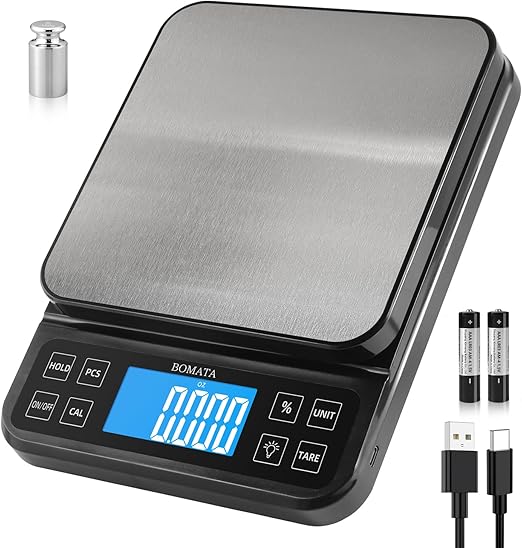
Molecular gastronomy sounds intimidating, but it's just cooking meets chemistry—and you already do chemistry every time you caramelize onions or whip egg whites. This quest walks you through three core techniques that changed high-end dining: spherification (liquid centers with thin membranes), edible foams (air-infused sauces that dissolve on your tongue), and flavor gels (concentrated taste bombs that hold their shape). The best part? You don't need a restaurant kitchen. A digital scale, some specialty powders, and your existing pots are enough to create dishes that look and taste like they cost $200 at a tasting menu.
Start with basic spherification using sodium alginate and calcium chloride—the gateway drug of molecular cooking. You'll make juice spheres that pop in your mouth like high-tech caviar. The first time you nail the timing (exactly 3 minutes in the calcium bath), you'll feel the same satisfaction as landing a perfect soufflé. Then move to foams using soy lecithin, which turns any flavorful liquid into stable bubbles that add texture without weight. Finally, tackle agar-agar gels that set at room temperature, letting you create everything from transparent ravioli to solid cocktail cubes. If those cubes spark ideas, a lot of the same tools show up in home bar and cocktail science gear—precision scales, syringes, and silicone molds pull double duty behind the bar.
The learning curve is real—your first spheres might look like deflated water balloons, and early foams collapse faster than you can plate them. But by your third attempt, you'll understand how hydration ratios, temperature, and timing interact. The smell of agar blooming in hot liquid, the feel of alginate solution coating a spoon, the sound of a whisk creating foam—these sensory cues become your guides. This isn't about copying restaurant tricks; it's about understanding food science well enough to invent your own applications.
Why This Quest Matters
You'll create dishes that look and taste like $200 tasting menu courses using household equipment and specialty powders that cost less than fancy olive oil. The first time a perfectly formed sphere bursts on your tongue or you scoop foam that tastes intensely of tomato but weighs nothing, you'll realize molecular gastronomy isn't chef theater—it's accessible food science that lets you manipulate texture and flavor in ways traditional cooking can't touch.