
Tutorial hell ends where your hands start moving.
Skip the tutorial hell. Build real creative skills through structured hands-on projects in photography, writing, design, and crafts.
The internet overflows with creative tutorials, but watching 47 watercolor videos won't make you a painter. This hub collects 30+ micro-projects designed to get your hands dirty fast—each one small enough to finish in one sitting, specific enough to teach a real technique. Pick a skill track (photography, writing, drawing, design, crafts) and work through projects that build on each other. Photograph 10 strangers and ask their stories. Write 5 reviews of places you visited this week. Draw the same object from 5 angles. Block print a pattern on fabric scraps. Each project isolates one technique, gives you clear constraints, and produces something tangible. The magic happens in repetition with variation. You're not chasing perfection—you're training your eye, your hand, your instinct. Most people quit creative pursuits because they compare attempt #3 to someone's 300th. These quests short-circuit that by making the reps feel like exploration, not drill work. After 10 projects in any track, you'll notice your confidence shift. After 20, people start asking how you learned.
Choose your first skill track based on what materials you already have access to—photography if you have a camera, writing if you have 20 minutes and a Notes app, drawing if you own pencils.
Pick a project from the beginner tier and read the constraint rules carefully (example: 'Photograph 5 textures within 10 feet of your front door using only natural light').
Set a timer for the recommended duration—these projects work because they're bounded, not because they're perfect.
Execute the project without editing or second-guessing mid-process. Commit to finishing the constraint even if it feels awkward.
Immediately after finishing, write 3 sentences about what was harder than expected and what surprised you. This reflection cements the learning.
Review your output the next day with fresh eyes. Notice what worked and what didn't without judgment—you're collecting data, not grades.
Move to the next project in sequence. The skill tracks are ordered so each project builds on techniques from the last.
Every 5 projects, do a 'remix'—combine techniques from two different projects into something new. This is where your style starts emerging.
When you hit 10 projects in a track, compare your first and tenth output side by side. The gap will be bigger than you think.
Switch tracks or go deeper. Some people master one skill, others sample three. Both paths work.
Get everything you need to make this quest amazing.
Unlocks texture and detail photography projects without needing a DSLR. Suddenly rust, fabric weave, and leaf veins become entire compositions.
Small attachable lens that clips onto your phone camera for extreme close-up shots
Enables outdoor color sketching and paint-mixing exercises. The portability means you can do projects in parks, cafes, or on transit.
Compact watercolor palette with built-in mixing wells and a water brush pen
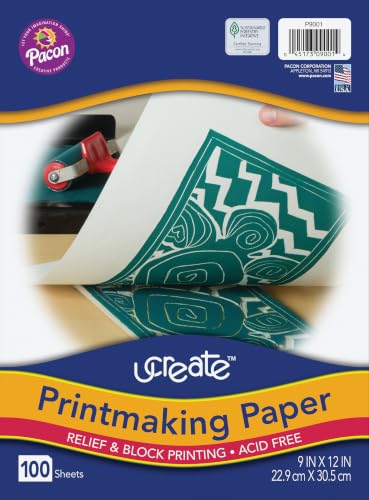
Opens up printmaking and pattern design projects. Carving a simple stamp teaches negative space and lets you repeat designs on fabric, paper, or cards.
Soft rubber carving blocks, carving tools, and block printing ink
Provides structured project tutorials for each skill track. One class = 5-10 micro-projects with clear outcomes. Cancel after your first track if you want.
Access to thousands of project-based creative classes taught by working professionals
RELATED GEAR GUIDE
Phone Photography Kit: 9 Picks for Better Shots
Field-tested picks · Creative Arts
As an Amazon Associate, IRL Sidequests earns from qualifying purchases at no extra cost to you.
Prices and availability are subject to change. The price shown at checkout on Amazon at the time of purchase will apply.
Hand-selected quests our team thinks you'll love

Wake up with the birds and see your neighborhood through new eyes.

The best way to learn creative skills? Make bad art until it gets good.

Your hands built the first bowls 20,000 years ago. They still can.