Your city is a canvas. Your commute is a concert. Your daily routine is raw material waiting to be transformed.
Jump into hands-on creative experiments from urban sketching to sound mapping. No formal training needed—just grab supplies and start making.
Most people think creativity requires talent, formal training, or the right mood. Reality check: creativity is a muscle you build through repetition, not a gift you're born with. This hub collects micro-experiments designed to rewire how you see your surroundings. Sketch the rust patterns on a fire escape. Record the rhythm of a crosswalk signal. Write six-word stories about strangers at the coffee shop. Each quest takes 15 minutes to 4 hours, costs little to nothing, and produces tangible results you can hold in your hands. The structure is simple: pick a medium (visual, sound, words, movement), grab minimal supplies, follow the prompts. No critique circles, no online galleries to stress over. Just you, a constraint, and whatever happens when you actually make something instead of scrolling through what other people made. The quests range from observational exercises—mapping the colors of your neighborhood block by block—to interventionist projects like leaving anonymous poetry on bus seats. Some feel meditative. Others make you laugh at how weird you look crouching on a sidewalk with a sketchbook. What changes isn't your skill level overnight—it's your attention span for detail. After a week of sound mapping your morning walk, you'll notice car door slams have different pitches based on the vehicle's age. After sketching architectural details, you'll spot Art Deco flourishes you've walked past for years. The creative output matters less than the shift in how you metabolize your daily experience. These aren't practice exercises for some future gallery show. They're the thing itself.
Top gear to make this quest great.
Portable enough to carry everywhere but durable enough that pages won't warp or tear when you're sketching on a subway platform or park bench. Heavy paper gives you medium flexibility without committing to specialized supplies for each technique.
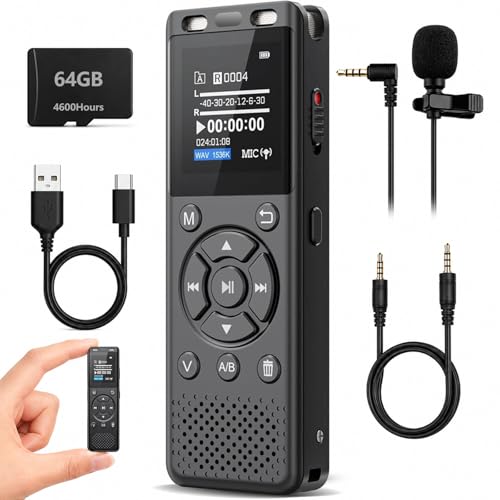
Smartphone mics compress audio and miss low frequencies like traffic rumble or wind texture. A dedicated recorder captures the actual soundscape without notification interruptions or battery anxiety. Voice-activated mode means you can drop it in your jacket pocket and record a 2-hour walk without managing start/stop.
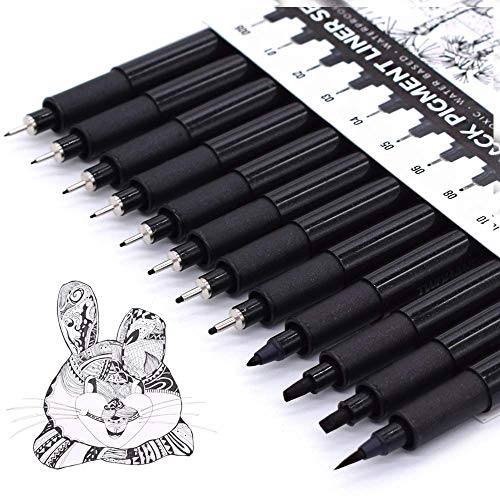
Pencil sketches fade and smudge in your bag. Waterproof ink means your architectural details from six months ago still look crisp, and you can add watercolor washes later without bleeding lines. Different tip sizes let you switch from fine detail to bold shadows without carrying multiple tools.
As an Amazon Associate I earn from qualifying purchases. Prices may change.
Browse the quest categories below: Visual Arts (sketching, photography experiments, light painting), Sonic Arts (field recording, soundscape mapping, found object percussion), Written Word (six-word stories, object biographies, constraint-based poetry), Physical Expression (shadow dancing, body percussion, movement notation), or Mixed Media (collage from trash, guerrilla wheatpasting, public installation using natural materials).
Pick one quest that matches your current supplies and time window. First-timers: start with 'Architectural Detail Sketching' (20 minutes, requires only paper and pen) or 'Six-Word Stranger Stories' (15 minutes, requires nothing). Both deliver instant results and require zero prior experience.
Read the quest-specific instructions fully before starting. Note the time cap, required materials, and ideal conditions (some audio quests need quiet mornings; some visual quests need golden hour light). Set a timer if the quest has a time constraint—constraints force decisions instead of endless deliberation.
Complete the quest without self-editing or judging quality. The goal is repetition, not perfection. If you're sketching and it looks wonky, finish the sketch anyway. If you're writing and it sounds clunky, write the full six words anyway. Completion matters more than outcome at this stage.
Document your output physically: tape sketches in a cheap sketchbook, save audio files in a dedicated folder, type written pieces into a single document. Don't post to social media yet—that triggers performance anxiety. Build a body of work first, then decide what (if anything) you want to share.
Repeat the same quest 3-5 times before switching. If you only do 'Architectural Detail Sketching' once, you're practicing starting, not sketching. By the third time, your hand moves faster and you notice different details. By the fifth, you've developed a personal shorthand for rendering brick texture or window grids.
After completing 10-15 quests across different mediums, review your accumulated work. You'll spot patterns: maybe you're drawn to sharp contrasts in visual work, or rhythm in audio work, or humor in written work. These patterns reveal your natural creative inclinations faster than any personality quiz.
Chain related quests for deeper exploration: do 'Color Mapping Your Block' followed by 'Monochrome Photography Day' to understand how removing color changes perception. Or pair 'Field Recording Commute Sounds' with 'Found Object Percussion' to move from documentation to creation.
Set a weekly creative slot (Sunday 2-4PM, Tuesday mornings before work) and rotate through quest types. Consistency beats intensity. Two 30-minute sessions weekly for three months will change your creative output more than one 8-hour Saturday binge.
Invite one friend to join a quest (but keep groups under 3 people). Creative work is mostly solitary, but having someone else doing 'Six-Word Stories in a Laundromat' beside you makes it easier to start. Compare outputs afterward, not during.
Get everything you need to make this quest amazing.
Portable enough to carry everywhere but durable enough that pages won't warp or tear when you're sketching on a subway platform or park bench. Heavy paper gives you medium flexibility without committing to specialized supplies for each technique.
5x8 inch hardbound sketchbook with 100gsm paper that handles pen, pencil, and light watercolor without bleeding through
Get on Amazon · $12Smartphone mics compress audio and miss low frequencies like traffic rumble or wind texture. A dedicated recorder captures the actual soundscape without notification interruptions or battery anxiety. Voice-activated mode means you can drop it in your jacket pocket and record a 2-hour walk without managing start/stop.
Dedicated audio recorder with external mic jack, 32GB storage, and voice-activated recording
Get on Amazon · $35Pencil sketches fade and smudge in your bag. Waterproof ink means your architectural details from six months ago still look crisp, and you can add watercolor washes later without bleeding lines. Different tip sizes let you switch from fine detail to bold shadows without carrying multiple tools.
Assorted tip sizes (0.3mm, 0.5mm, 0.8mm) with archival pigment ink that won't smudge if you spill coffee on your sketchbook
Get on Amazon · $8Transforms your phone into a tool for texture documentation quests—photograph rust patterns, concrete cracks, tree bark grain at extreme closeup. Reveals details invisible to naked eye, turning mundane surfaces into abstract compositions. Makes 'Material Study' and 'Urban Texture Mapping' quests significantly more engaging.
10x magnification lens attachment with universal clip that fits any phone, includes protective case
Get on Amazon · $18As an Amazon Associate, IRL Sidequests earns from qualifying purchases at no extra cost to you.
Prices and availability are subject to change. The price shown at checkout on Amazon at the time of purchase will apply.
Hand-selected quests our team thinks you'll love

Wake up with the birds and see your neighborhood through new eyes.

Your city block has more wild stories than you think—time to capture them frame by frame.

Turn your city into a game board—design quests that make strangers into explorers.