Creative Side Quests Hub: Hands-On Making & Learning
Your hands know more than your brain—time to prove it.
About This Quest
Master new creative skills through hands-on making projects. From screen printing to pottery, woodworking to embroidery—your gateway to 50+ craft techniques worth exploring.
This hub organizes dozens of creative making quests into one navigable resource. Whether you're drawn to textile arts, printmaking, ceramics, or mixed media, each pathway leads to hands-on skills you can actually use. The setup is simple: pick a medium that speaks to you, gather the specific supplies listed, and follow the step-by-step instructions written by people who've actually smudged the ink and broken the glazes. What sets these quests apart is the focus on tactile learning. No passive watching—you're cutting stencils with an X-Acto knife, feeling clay respond under your thumbs, watching ink spread through mesh screens. The instructions assume zero experience but don't talk down to you. Expect real measurements, actual timing (like 'wait 15 minutes for the gesso to dry, not 10'), and troubleshooting for when your first print bleeds or your coil pot cracks. Start with a single-session project to test your interest. Screen print a tote bag using a beginner frame kit. Hand-stitch a simple embroidery sampler with basic stitches. Carve a linoleum block and pull your first relief print. Each quest includes a realistic cost breakdown, expected mess level, and what you'll actually walk away with—a wearable piece, a functional object, or just the satisfaction of making something that didn't exist before you sat down.
Why This Quest Matters
Most people never discover what their hands can make because they never actually sit down and try. These quests give you structured entry points into real making—no artistic background required, just willingness to get messy and iterate. You'll walk away with tangible objects you created from raw materials, plus the quiet confidence of knowing you can learn physical skills that initially seemed mysterious.
What You'll Experience
- How to evaluate workspace requirements before starting projects
- Why material quality directly determines beginner success rates
- The discipline of following process even when you want to skip ahead
- How to document learning honestly instead of performing perfection
- Which creative mediums actually match your hands and living situation
What You'll Need
Top gear to make this quest great.
Pull it off
Speedball Beginner Screen Printing Kit
Provides all essential tools for learning screen printing basics without buying professional-grade equipment—lets you test the craft before investing in larger frames or specialty inks
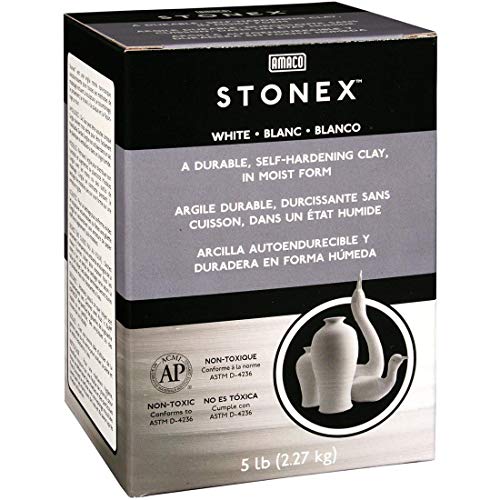
Get on Amazon · $54.99 — Speedball Beginner Screen Printing KitEnables ceramic projects for people without kiln access—dries hard enough for functional items like planters and bowls, and accepts acrylic paints and sealers
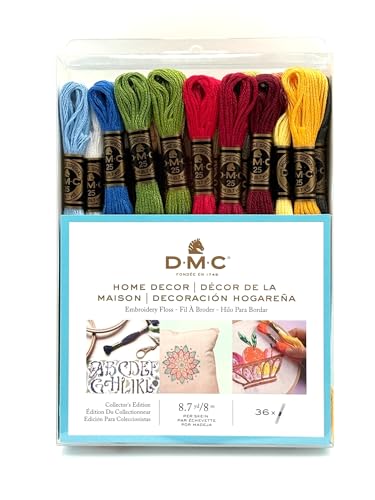
Gives you enough color variety to complete any beginner embroidery pattern without buying individual skeins—prevents the 'I need one more shade' supply run that kills momentum
As an Amazon Associate I earn from qualifying purchases. Prices may change.
Step-by-Step Guide
Pick techniques that fit your space
Browse the quest library and choose 2-3 making techniques that match your workspace reality. Textile projects need flat surfaces and strong light, printmaking demands ventilation, ceramics want outdoor drying room. Read full instructions before committing to check time requirements and mess levels against your living situation.
💡 Pro Tips:
- • Apartment dwellers: start with embroidery or linocut—both pack away easily and don't require special ventilation
Source exact supplies, not substitutes
Buy the specific materials listed in your chosen quest. Generic craft paint fails in screen printing, cheap brushes shed bristles into your work. The product recommendations exist because someone already learned the hard way what doesn't work.
💡 Pro Tips:
- • Check your local art supply store's class supply lists—they often stock the exact items these quests recommend
Prepare workspace for actual messiness
Set up proper lighting, ventilation if your medium needs it, and protective covering. A plastic tablecloth costs three dollars and saves you from obsessing over drips instead of focusing on your technique.
💡 Pro Tips:
- • Tape down your tablecloth—sliding surfaces ruin precise cuts and steady brushwork
Follow every step, especially boring ones
Work through instructions sequentially without skipping surface prep or drying times. Ninety percent of project failures trace back to rushing foundational stages that feel unnecessary but determine whether your final piece holds together.
💡 Pro Tips:
- • Set actual timers for drying stages—'looks dry' and 'is dry' are different things when you add the next layer
Document your rough first attempts
Photograph your work even when it looks terrible. Comparing attempt one to attempt five shows progress no polished Instagram post can match, and captures technique problems you can't feel while your hands are busy.
💡 Pro Tips:
- • Take a photo before you 'fix' anything—those unedited shots reveal patterns in what consistently goes wrong
Complete three rounds before quitting
Make the same project at least three times before deciding you dislike the medium. Your first screen print will be muddy, your first pot lumpy—that's the learning curve, not a verdict on your talent. Share honest results in the community, including what failed, because other beginners need real feedback more than perfection posts.
Gear Up for Your Quest
The gear that makes this quest work.
Pull it off

Speedball Beginner Screen Printing Kit
Provides all essential tools for learning screen printing basics without buying professional-grade equipment—lets you test the craft before investing in larger frames or specialty inks
Get on Amazon · $54.99 — Speedball Beginner Screen Printing Kitdetails & deals →+ complete the kit — 4 more

Enables ceramic projects for people without kiln access—dries hard enough for functional items like planters and bowls, and accepts acrylic paints and sealers
Air-dry clay that reaches ceramic-like hardness without kiln firing, suitable for hand-building and coiling techniques
Get on Amazon · $29.13 — Amaco Stonex Self-Hardening Clay (5 lbs)details & deals →
Gives you enough color variety to complete any beginner embroidery pattern without buying individual skeins—prevents the 'I need one more shade' supply run that kills momentum
Pre-selected color palette of 6-strand cotton embroidery thread in 8-meter skeins, covering basic hues and neutrals
Get on Amazon · $18.58 — DMC Embroidery Floss Starter Pack (36 Colors)details & deals →
Speedball Linoleum Cutter Set with 5 Blades
RecommendedMakes carving linoleum blocks significantly easier than using craft knives—the curved blades let you work with your hand motion instead of fighting it, reducing hand fatigue and improving control
Ergonomic handle with interchangeable gouging blades (V-shaped, U-shaped, and fine detail) for relief printmaking
Get on Amazon · $17.99 — Speedball Linoleum Cutter Set with 5 Bladesdetails & deals →
Protects your work surface while providing measurement guides for straight cuts and alignment—essential for paper crafts, stencil cutting, and any project requiring precise blade work
Double-sided cutting surface with printed grid lines and angle markers, self-seals after knife cuts
Get on Amazon · $18.99 — Fiskars Self-Healing Cutting Mat (18x24 inch)details & deals →RELATED GEAR GUIDE
Phone Photography Kit: 9 Picks for Better Shots
Field-tested picks · Creative Arts
As an Amazon Associate, IRL Sidequests earns from qualifying purchases at no extra cost to you.
Prices and availability are subject to change. The price shown at checkout on Amazon at the time of purchase will apply.
Editor's Picks
Hand-selected quests our team thinks you'll love

Dawn Patrol: Your First Bird Watching Adventure
Wake up with the birds and see your neighborhood through new eyes.

Creative Skills Quest Hub: Learn By Doing
The best way to learn creative skills? Make bad art until it gets good.

Hand-Built Ceramic Bowl Workshop
Your hands built the first bowls 20,000 years ago. They still can.