Build real creative skills through hands-on arts and crafts projects. From paper marbling to block printing, master techniques that produce tangible results.
The craft revival isn't about Instagram aesthetics—it's about understanding how materials respond to your hands. Paper marbling teaches you fluid dynamics through color. Block printing drills patience into your muscle memory. Bookbinding forces you to think in sequences. Each technique builds on fundamental principles that transfer across mediums.
Set up your workspace near a window with north-facing light if possible—it stays consistent throughout the day and won't shift shadows mid-project. Cover your work surface with butcher paper or cardboard, not plastic (water beads up instead of absorbing). Keep a dedicated rinse bucket for water-based projects; switching between clean and dirty water matters more than most tutorials mention. Your first attempts will look rough—washes will bleed, prints will smudge, stitches will wobble. That's the entire point. You're training your hands to communicate with materials.
Start with one technique per session. Marbling requires setup time but produces results in minutes—good for building confidence. Block printing takes longer but gives you repeatable results you can refine. Bookbinding demands precision but creates something functional. Mix wet and dry techniques to avoid burnout. The satisfaction comes from finishing pieces, not collecting half-started projects. After five sessions, you'll recognize when paper is too wet, when ink needs more pressure, when thread tension feels right. That tactile knowledge doesn't come from videos.
Why This Quest Matters
After five sessions, your hands will recognize when paper is too wet, when ink needs more pressure, when thread tension feels right. That tactile knowledge doesn't come from videos—it comes from finishing actual pieces that exist in three dimensions. You're training your body to communicate with materials, building muscle memory that transfers across every medium you touch.
What You'll Experience
How materials respond to pressure, water, and timing through direct contact
Workspace setup habits that prevent mid-project scrambling and wasted materials
When to save scraps for repurposing versus when something is genuinely ruined
Which craft techniques suit your temperament—fast results, repeatable refinement, or functional precision
Tactile judgment that no tutorial can teach: ideal ink consistency, proper thread tension, correct paper wetness
What You'll Need
Top gear to make this quest great.
Pull it off
Speedball Block Printing Kit
Provides all essential tools for block printing in one package. The included brayer ensures even ink distribution, while multiple carving tools let you experiment with line widths and textures. Pre-cut blocks eliminate sizing guesswork.
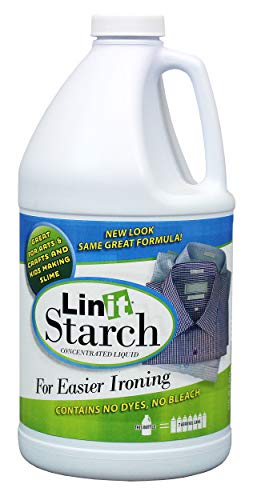
Creates the viscous surface tension needed for marbling paints to float and spread. Regular water doesn't hold paint patterns—the starch suspension makes swirling designs possible and gives you 30+ seconds of working time before paints sink.
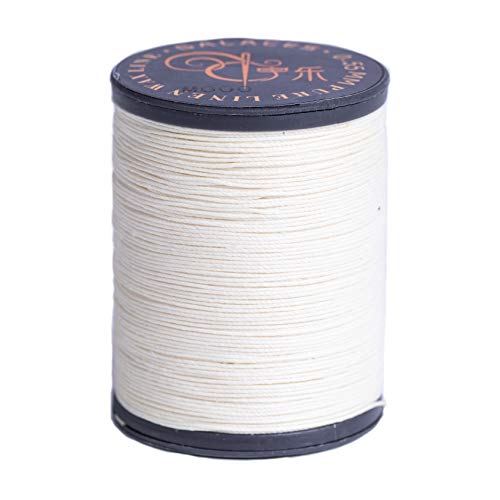
Waxed thread glides through paper holes smoothly and holds knots tight without slipping. The wax coating prevents fraying during repetitive stitching. Blunt needles pierce paper without tearing or splitting sheets—sharp needles create ragged holes.
As an Amazon Associate I earn from qualifying purchases. Prices may change.
Step-by-Step Guide
1
Pick one technique for session one
Choose paper marbling for fast confidence-building results, block printing for repeatable refinement, or bookbinding for functional end products. Splitting focus across multiple crafts in your first session trains nothing but distraction.
💡 Pro Tips:
• Marbling shows results in minutes but requires careful setup
• Bookbinding demands precision but creates something you'll actually use
2
Set up workspace before touching materials
Cover your work surface with butcher paper or cardboard—not plastic, which makes water bead up. Fill rinse buckets, arrange tools within arm's reach near north-facing window light if possible. Scrambling for supplies mid-project breaks concentration and ruins timing-sensitive steps like marbling.
💡 Pro Tips:
• Keep separate clean and dirty water buckets for water-based projects
• North-facing light stays consistent all day without shifting shadows
3
Execute your chosen technique start to finish
Marbling: Mix 2:1 water to liquid starch in a shallow tray, drop diluted acrylic paint on the surface, drag patterns with a comb, lay paper flat for 5 seconds, lift straight up and rinse gently. Block printing: Carve your design into linoleum or rubber, roll water-based ink onto the surface with a brayer, press paper firmly and rub the back with a wooden spoon in circles, peel from one corner. Bookbinding: Cut uniform paper sheets (test grain direction first—should fold smoothly with the grain), stack 4-6 sheets and fold in half together, punch 3-5 holes along the spine, saddle stitch with waxed linen thread pulling tight without warping pages.
4
Log specifics while they're fresh
Document ink consistency, drying times, and pressure needed in a project notebook—not for Instagram, for your future self. Your hands will remember the feel; they won't remember that '3:1 dilution' was the ratio that actually worked three months from now.
💡 Pro Tips:
• Write 'more water' and you'll have no idea what that means later; write exact ratios instead
5
Clean tools before materials dry
Wet paint wipes off a brayer in ten seconds. Dried paint takes fifteen minutes of scrubbing. Same for brushes, trays, and carving tools. This step isn't optional—dried materials permanently ruin equipment and end your practice before it starts.
6
Rotate techniques and repurpose everything
Alternate between marbling, printing, and binding sessions to prevent technique fatigue and keep your workspace manageable. Save all scraps and failures—marbled paper becomes book covers, imperfect prints layer into collages, test blocks teach carving control. After five sessions total, pick one technique to push further through local workshops or better equipment.
Provides all essential tools for block printing in one package. The included brayer ensures even ink distribution, while multiple carving tools let you experiment with line widths and textures. Pre-cut blocks eliminate sizing guesswork.
Creates the viscous surface tension needed for marbling paints to float and spread. Regular water doesn't hold paint patterns—the starch suspension makes swirling designs possible and gives you 30+ seconds of working time before paints sink.
Liquid fabric starch that thickens water for paper marbling
Waxed thread glides through paper holes smoothly and holds knots tight without slipping. The wax coating prevents fraying during repetitive stitching. Blunt needles pierce paper without tearing or splitting sheets—sharp needles create ragged holes.
Pre-waxed bookbinding thread in multiple colors with blunt needles
Creates crisp, professional folds in bookbinding without cracking paper fibers. Also burnishes printed images for better ink adhesion and smooths marbled paper during drying. Using your fingernail or a ruler edge leaves oils and creates uneven pressure.
Smooth bone or plastic tool for creasing and burnishing paper
Provides the controlled depth needed for paper marbling—too deep wastes starch, too shallow creates uneven patterns. Clear sides let you see when sediment builds up requiring water changes. Doubles as storage for finished marbled sheets between sessions.
Clear plastic bin (minimum 11x14 inches, 2-3 inches deep) for marbling tray
Today, you're going to melt, scent, and pour your own glowing candles from scratch.
Transform raw wax into glowing works of art by melting, scenting, and pouring your own custom candles. You'll measure and melt wax, blend fragrances to create signature scents, position wicks in decorative containers, and watch as liquid transforms into solid—emerging with hand-poured candles that fill your space with ambiance and your chosen aroma. This tactile craft combines chemistry and creativity, teaching you the fundamentals of candle composition while you design candles perfectly suited to your aesthetic and scent preferences.