Stop consuming art tutorials—start making art that matters.
Twelve curated creative quests spanning street photography, pottery, urban sketching, natural dyeing, and experimental film. Build tangible skills through documented projects.
Most creative advice tells you to 'find your medium' or 'follow your passion.' Here's what actually works: make twelve different things, document the process, and notice what you can't stop thinking about between sessions. This collection pulls from working artists who treat creative development like skill-building, not mystical revelation. You'll shoot film in manual mode at a flea market at dawn, throw wobbly bowls on a community studio wheel, mix natural pigments from grocery store ingredients, and sketch the same intersection from four different angles. Each quest ends with a tangible artifact—a contact sheet, a glazed mug, a dye sample card, a sketchbook spread. The goal isn't mastery. It's eliminating the friction between 'I should try that' and actually trying it. Most people discover their medium by 10AM on a Sunday, hunched over a project they started 'just to experiment' three hours earlier. The structure borrows from art school foundation courses: rotate through disciplines fast enough to avoid perfectionism, slow enough to notice what clicks. We've included the unglamorous details—where to find a darkroom that rents by the hour for $15, which pottery studios let you drop in without a six-week commitment, how to jury-rig a screen printing setup in a kitchen for under $30. You'll use artist-grade materials where it matters (decent brushes, archival paper) and improvise everywhere else (cardboard looms, grocery store mordants). The supplies list per quest maxes out at five items because creative blocks usually stem from too many options, not too few. By quest twelve, you'll have a body of work that reveals your actual interests, not the ones you thought you had.
Top gear to make this quest great.
Protects surfaces during dyeing, printmaking, resin, and wax resist quests. Eliminates the 'I can't do this because I'll ruin my table' barrier that stops most people from starting.
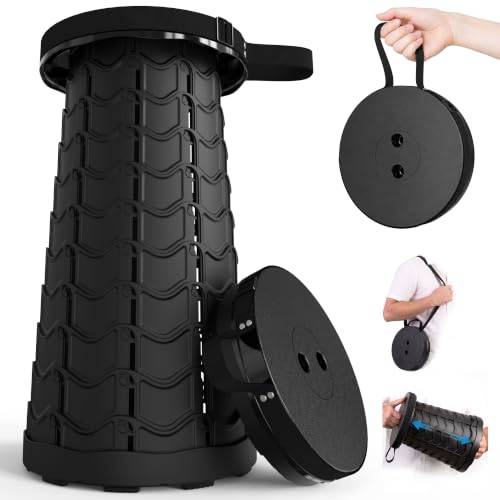
Transforms any location into a workable studio space for urban sketching and plein air painting quests. Stability matters more than you think when you're holding a palette and working vertically.
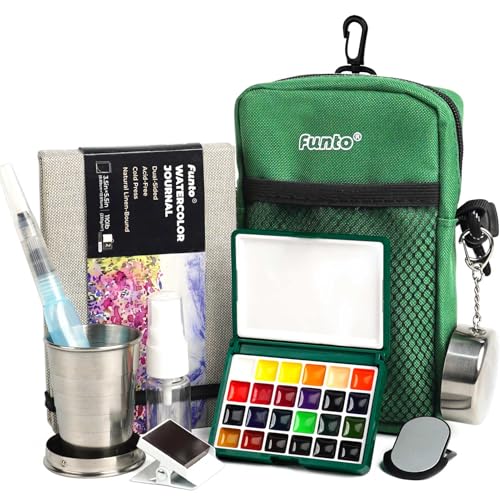
The pigment load in artist-grade paints is 3-4x higher than student sets, meaning you get vivid color with one stroke instead of five. Matters enormously when you're painting outdoors before light shifts.
As an Amazon Associate I earn from qualifying purchases. Prices may change.
Choose your first quest based on accessibility, not interest—pick whichever requires the least advance planning or specialized space. The barrier between you and starting should be thirty minutes and a bike ride.
Set a finish-by date before you begin. Most creative paralysis comes from open-ended timelines. A wobbly bowl made by Friday beats a perfect bowl you'll start 'when you have more time.'
Document your setup and cleanup, not just the finished piece. The in-progress photos—your hands covered in clay slip, the test strips taped to your wall—tell you more about whether you enjoyed the process than the final artifact.
Work through at least three quests before evaluating. First attempts always feel clunky. The signal comes in project two or three, when you either drag yourself back or can't wait to return.
Keep a materials costs log. Creative hobbies spiral when you buy aspirationally. Track what you actually used versus what seemed necessary. By quest four, you'll know which supplies are mood-boosters and which are procrastination.
Share one work-in-progress from each quest in a group setting—a Discord, a coffee shop crit, a friend's kitchen table. The goal is normalizing imperfect output, not seeking validation.
After completing six quests, review your documentation. Which projects did you think about during your commute? Which materials are you itching to reorder? That's your signal to go deeper.
Build small rituals around your practice. Same playlist, same apron, same table setup. Creative momentum compounds when your body recognizes 'we're making now' cues.
Once you've completed the collection, pick one discipline to repeat monthly for three months. Depth matters more than breadth after you've eliminated the obvious non-fits.
Get everything you need to make this quest amazing.
Protects surfaces during dyeing, printmaking, resin, and wax resist quests. Eliminates the 'I can't do this because I'll ruin my table' barrier that stops most people from starting.
24x16 inch non-stick silicone mat, heat-safe to 450°F, easy cleanup
Get on Amazon · $15Transforms any location into a workable studio space for urban sketching and plein air painting quests. Stability matters more than you think when you're holding a palette and working vertically.
Lightweight folding stool with shoulder strap, holds up to 250 lbs, packs flat
Get on Amazon · $25The pigment load in artist-grade paints is 3-4x higher than student sets, meaning you get vivid color with one stroke instead of five. Matters enormously when you're painting outdoors before light shifts.
12-pan portable watercolor set with mixing palette, professional-grade pigments
Get on Amazon · $40Opens up texture documentation and detail-focused photography quests. You'll notice patterns in rust, lichen, and urban decay you've walked past for years.
Clip-on 15x macro lens with universal mount, fits most phone cameras
Get on Amazon · $18Having a designated case for finished pieces signals to your brain that this work matters. Also practical for transporting wet paintings, contact sheets, and sketchbooks without damage.
Water-resistant portfolio case with handles, holds up to 18x24 inch work
Get on Amazon · $30As an Amazon Associate, IRL Sidequests earns from qualifying purchases at no extra cost to you.
Prices and availability are subject to change. The price shown at checkout on Amazon at the time of purchase will apply.
Hand-selected quests our team thinks you'll love

Wake up with the birds and see your neighborhood through new eyes.

Turn your city into a game board—design quests that make strangers into explorers.

Carve once, print forever—turn blank fabric into wearable art with hand-cut stamps.