Your hands are smarter than your overthinking brain.
Master creative skills through direct practice. Build a portfolio of real work while learning illustration, crafts, and design fundamentals.
Creative skills aren't learned from watching—they're built through repetition and mistakes. This quest replaces endless tutorial consumption with structured making time. You'll cycle through three focused practices: quick observational sketching to train your eye, tactile craft work to develop material intuition, and experimental composition studies to understand design fundamentals. Each session targets muscle memory over perfection. The setup is intentionally low-stakes. You're not creating portfolio pieces or Instagram content. You're filling pages with bad drawings that slowly get less bad. You're making weird ceramic pinch pots that crack. You're collaging magazine scraps into compositions that teach you about balance and color relationships. The goal is volume and variety—touch as many materials and techniques as possible to discover what pulls you in. Track your progress through dated work samples, not skill assessments. After ten sessions, lay everything out. You'll see patterns in what energizes you versus what feels like homework. That's your creative direction signal, not some quiz result or expert opinion. Your hands already know what they want to make—you just need to give them enough reps to show you.
Clear a dedicated work surface away from screens. Cover it with cardboard or newsprint if you're worried about mess. Good lighting matters—position near a window or add a desk lamp.
Set a 25-minute timer for observational drawing. Pick an object within arm's reach—a coffee mug, plant, your non-dominant hand. Draw it continuously without lifting your pen. When the timer goes off, grab something else and repeat. Fill at least 3 pages. Don't erase, don't judge, just move your hand.
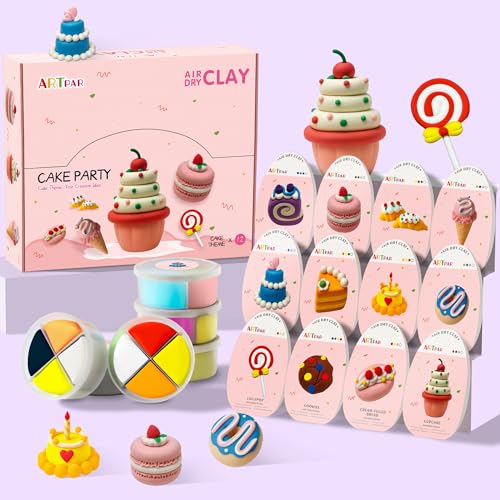
Switch to tactile craft work for 45 minutes. Options: air-dry clay hand-building, basic embroidery stitches on scrap fabric, paper marbling with shaving cream and food coloring, simple block printing with carved erasers. Choose one material and make 3-5 iterations of the same basic form.
Take a 10-minute break. Walk around, stretch your hands, grab water. Look at your work from across the room—you'll notice things you missed up close.
Final 45 minutes: experimental composition. Cut up old magazines, printed photos, colored paper. Create three 8x10 collages exploring a single concept—rhythm, tension, or harmony. Use only scissors and glue stick. No digital tools.
Document your session with quick phone photos. Drop them in a dated folder—you'll reference these later. Write one sentence about what surprised you or what felt different than expected.
Clean your space immediately. Creative practice dies when cleanup becomes a barrier to starting next time. Reset your station so it's ready to go.
Get everything you need to make this quest amazing.
Consistent ink flow prevents the stop-start frustration that kills drawing momentum during observation exercises
Archival ink pens in multiple tip widths (0.3mm, 0.5mm, 0.7mm) designed for continuous line work
Gives your hands immediate tactile feedback and teaches form-building without expensive equipment or firing process
Smooth, non-toxic modeling clay that cures without kiln firing, includes basic shaping tools
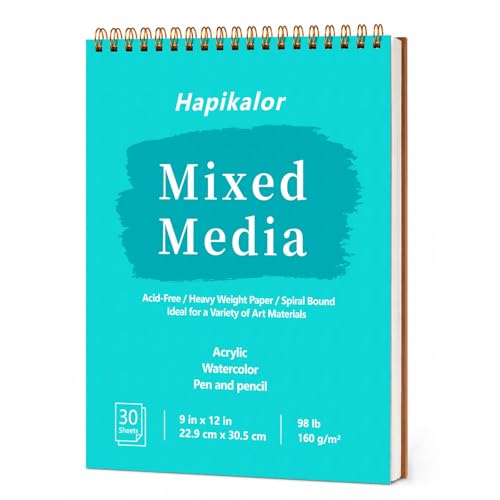
Big pages force you to work loosely and make bold marks instead of precious tiny drawings
11x14 inch heavyweight paper (98lb) that handles wet and dry media without buckling
Protects your table and provides visual guides for composition alignment during collage work
Self-healing 12x18 inch surface with measurement grid and angle guides
As an Amazon Associate, IRL Sidequests earns from qualifying purchases at no extra cost to you.
Prices and availability are subject to change. The price shown at checkout on Amazon at the time of purchase will apply.
Hand-selected quests our team thinks you'll love

Wake up with the birds and see your neighborhood through new eyes.

The best way to learn creative skills? Make bad art until it gets good.

Your hands built the first bowls 20,000 years ago. They still can.