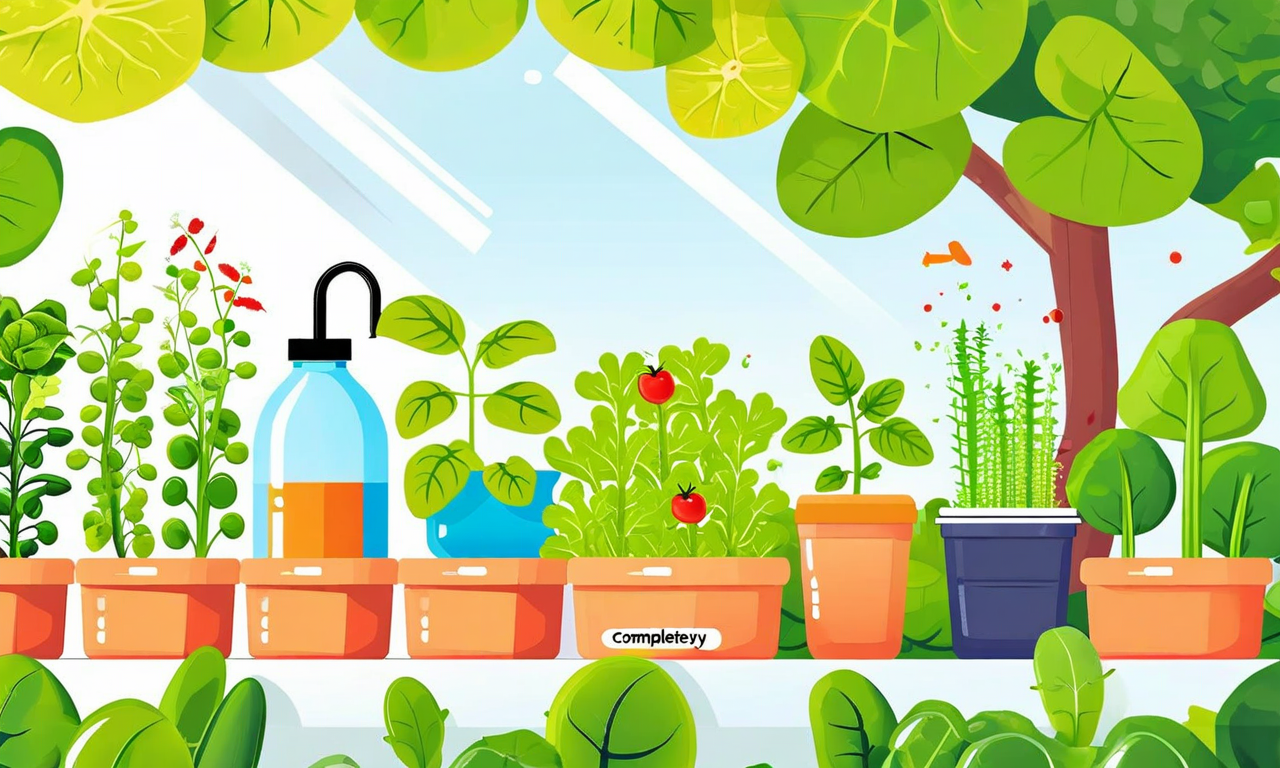
Complete Urban Self-Sufficiency System
Turn your apartment into a productive micro-homestead that actually cuts your monthly expenses.
About This Quest
Build a working self-sufficiency system in your apartment or small urban space—from growing food to composting, water collection, and reducing monthly bills by 40%.
Most urban self-sufficiency guides tell you to buy a farm. This one works in a 600-square-foot apartment. Over three months, you'll install a layered system that produces food, processes waste, conserves resources, and teaches you which modern conveniences you actually need versus what marketing sold you. The endgame isn't going off-grid—it's building resilience while your neighbor pays $400/month for groceries you're growing on a fire escape. The system runs on four interconnected loops: food production (vertical gardens, sprouts, mushrooms), waste processing (vermicomposting, greywater), resource conservation (rainwater collection, energy monitoring), and skill-building (fermentation, basic repairs, seed saving). Each loop feeds into the others. Compost worms turn kitchen scraps into fertilizer for your greens. Greywater from your shower irrigates herbs. The thermal mass from your water storage barrels stabilizes room temperature. By month three, most people hit 30-40% food self-sufficiency for leafy greens, herbs, and mushrooms, plus they've cut utility bills by identifying phantom loads and optimizing water use. The real win is the knowledge base—you'll know how to produce food in a crisis, fix basic infrastructure, and assess what services you're paying for out of habit versus necessity. South-facing windows get six hours of direct light minimum. North-facing spaces work for oyster mushrooms and microgreens under grow lights.
Step-by-Step Guide
Audit your space for productivity zones: South-facing windows get priority for fruiting plants (tomatoes, peppers). East/west windows work for leafy greens. North-facing or interior spaces become mushroom cultivation areas and sprouting stations. Measure your available square footage, vertical space, and light hours using a lux meter app. Map water access points (kitchen sink, bathroom, any outdoor spigot access) and electrical outlet locations.
Install your food production infrastructure starting with vertical growing systems. Mount modular shelving units on walls that can support 50+ pounds per shelf. Set up a basic hydroponic or deep water culture system in your sunniest window—dwarf tomato varieties and peppers produce for 6-8 months continuously. Create a three-tier sprouting station in your kitchen for daily fresh greens (sunflower, pea shoots, broccoli sprouts rotate on 3-5 day cycles).
Build your waste-to-resource system with a worm composting bin under your kitchen sink. Start with 1 pound of red wigglers processing 3-4 pounds of vegetable scraps weekly. Install a greywater diversion system that captures shower and sink water (excluding toilet and kitchen grease) into 5-gallon food-grade buckets for plant irrigation. The worm castings become your primary fertilizer source within 8 weeks.
Set up oyster mushroom cultivation in a dark closet or cabinet. Inoculated mushroom grow bags produce 2-4 flushes over 6-8 weeks, yielding 1-2 pounds per bag. No light needed. Run two bags on a staggered schedule for continuous harvests. Save a portion of mature mushrooms to create your own grain spawn and expand production without buying new bags.
Implement your resource monitoring system. Install smart plugs on all major appliances to identify phantom loads and energy vampires. Track your baseline utility usage for 2 weeks, then systematically test interventions (LED bulbs, power strips with switches, insulation improvements around windows). Monitor water usage by timing showers and noting dishwashing frequency—most people find they can cut consumption 30% through awareness alone.
Start your fermentation and preservation station. Dedicate counter space or a cabinet to continuous lacto-fermentation projects (sauerkraut, kimchi, pickles) that extend harvest shelf life and add probiotics. A simple airlock fermentation setup processes 1-2 quarts weekly. Learn basic canning for any excess production—water bath canning works for high-acid foods without special equipment.
Build your seed saving and propagation system. Start with easy self-pollinators: lettuce, tomatoes, peppers, beans. Let a few plants bolt and go to seed instead of harvesting. Dry seeds properly in paper envelopes labeled with variety and date. Take cuttings from herbs (basil, mint, oregano) to propagate new plants instead of buying starts—one basil plant becomes twelve in 4 weeks.
Create your emergency resilience stockpile integrated into your daily system. Rotate through stored dried goods (beans, rice, pasta) so nothing expires. Keep 2-3 weeks of shelf-stable foods you actually eat. Test your system's resilience by doing a 72-hour challenge using only what you've produced or stored—identifies gaps fast.
Document your yields, costs, and time investment in a simple spreadsheet. Track grams of food harvested per week, money saved versus grocery store prices, and hours invested in maintenance. Most systems reach break-even around month 4-6, then provide net positive returns. The data helps you optimize—cut systems that don't pencil out, expand what works.
Join local seed swap and skill-share networks through community gardens or online groups. Trade excess production for varieties you don't grow. Learn specialized techniques from others (cheese making, beekeeping, aquaponics) without full investment. The community connection increases your effective self-sufficiency beyond what fits in your apartment.
Gear Up for Your Quest
Get everything you need to make this quest amazing.
Worm Composting Starter Kit with Red Wigglers
EssentialComplete vermicomposting bin system with 1 pound of red wiggler worms, bedding, and instructions
Get This ItemOyster Mushroom Grow Kit with Grain Spawn
EssentialInoculated mushroom substrate bag that produces 2-4 flushes of oyster mushrooms
Get This ItemSmart Power Monitoring Plugs (4-pack)
RecommendedWiFi-enabled outlets that track real-time energy consumption and allow remote control
Get This ItemFermentation Airlock Kit with Wide-Mouth Mason Jar Lids
RecommendedSet of 4 airlock lids that fit standard mason jars for anaerobic fermentation
Get This ItemGrow Light Timer with Dual Outlets
OptionalProgrammable timer that automates lighting cycles for consistent plant growth
Get This Item💙 Shopping through these links helps support IRL Sidequests at no extra cost to you. Thanks for making adventures possible!
Editor's Picks
Hand-selected quests our team thinks you'll love

Tabletop Firepit Night
Cozy, gooey, unforgettable nights.

Cocktail Science Lab
Turn your kitchen into a mad scientist’s bar.
Pellet Gun Accuracy Challenge
Sharpshooter bragging rights start here.