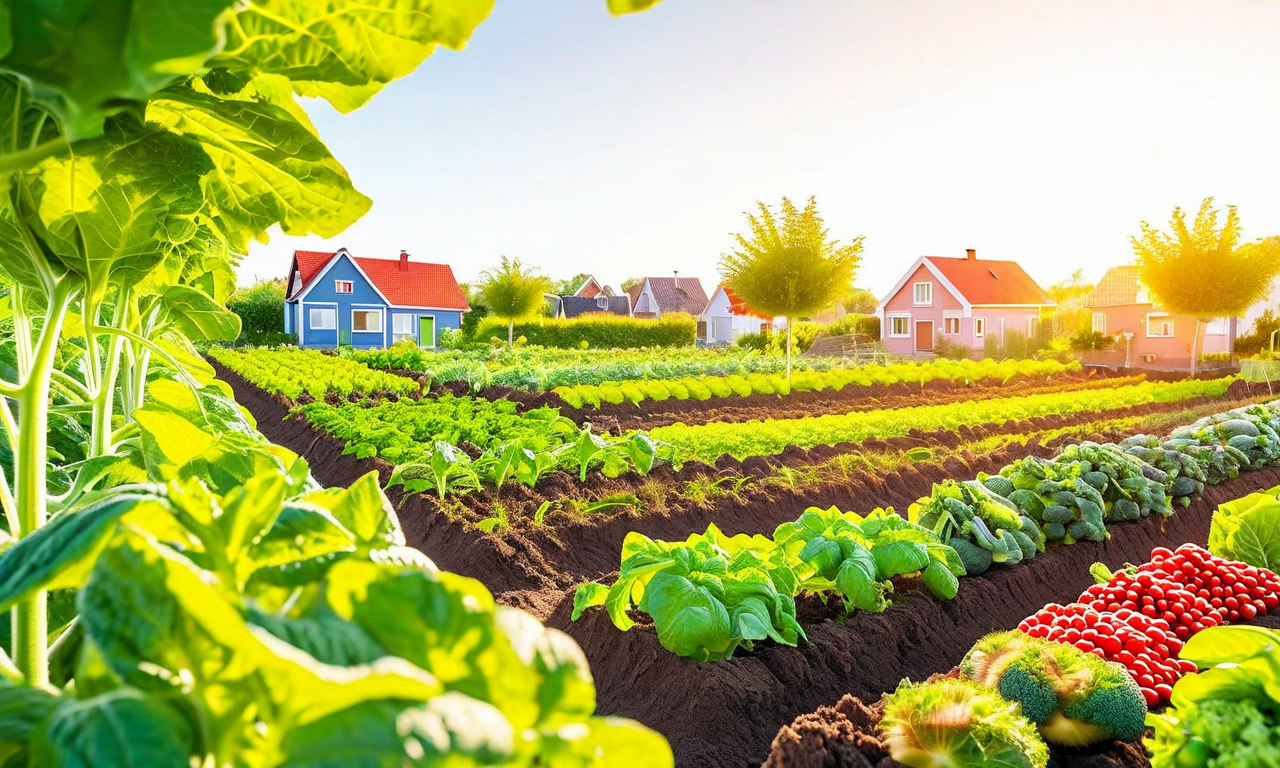
Complete Urban Self-Sufficiency Hub
Your block has everything it needs to thrive—it just doesn't know it yet.
About This Quest
Transform your neighborhood into a thriving self-sufficiency network by connecting growers, makers, and skill-sharers through real-world resource hubs.
Walk through any neighborhood and you'll find the same pattern: Mrs. Chen grows more tomatoes than her family can eat while three doors down, someone's buying grocery store produce. A retired mechanic sits alone watching TV while neighbors pay $100 for simple repairs. Your street already contains the skills, space, and resources for basic self-sufficiency—they're just not connected. This quest maps how to build a functional neighborhood resource hub where people trade surplus produce, share tools, exchange skills, and reduce dependency on external systems. I've watched these networks form in Denver, Portland, and Detroit neighborhoods. The successful ones start small—one bulletin board, one tool library, one monthly swap—and grow as trust builds. The key isn't technology or formal organization; it's creating visible, low-barrier ways for neighbors to discover what's already around them. You're identifying existing resources, making them visible, facilitating initial exchanges, then stepping back as the network self-organizes. The physical hub becomes the anchor—a shed, a front porch, a converted parklet—where people know they can find what they need or offer what they have. This works in apartment complexes, suburban streets, and mixed-use blocks. The urban environment concentrates people and resources; your job is simply removing friction from natural exchange patterns that humans have practiced for millennia.
Step-by-Step Guide
Map your neighborhood's existing assets by walking a 3-block radius. Note every garden, workshop, shared space, and visible skill (mechanic, seamstress, carpenter). Mark these on a physical map—smartphone notes don't create the same spatial awareness. Talk to people watering plants or working in garages; ask what they grow or make and what they wish they had access to.
Identify a physical hub location—a visible, accessible spot that becomes the network anchor. Best options: corner of a community garden, front yard with street presence, parking space converted to parklet, apartment building lobby corner, church or school entrance. The spot needs foot traffic, weather protection for a bulletin board, and permission from whoever controls it. Size doesn't matter; visibility and accessibility do.
Install a weatherproof bulletin board and seed it with specific resource cards: 'AVAILABLE: Cherry tomatoes, pick daily July-Sept, 447 Oak St' or 'OFFERING: Bike repairs Saturdays, bring your own parts, 12 Elm Ave'. Write these yourself for the first 10-15 entries based on your asset map. Include names, addresses, and specific offerings—vague posts like 'community sharing' get ignored.
Create a simple tool library starting with your own underused items. Mount hooks or build a small shed at your hub location. Label each tool clearly, add a sign-out sheet (paper works better than apps initially), and stock 5-10 items to start: ladder, drill, garden tools, folding table, extension cords. Tools get borrowed and returned when there's social accountability—keep it neighborhood-scale.
Host your first resource swap on a Saturday morning at your hub. Two hours, simple format: people bring surplus produce, extra supplies, working items they don't need. No money, direct trades only. Set up tables, put up signs at major intersections three days prior. Expect 8-15 people your first time. The goal isn't volume; it's demonstrating the concept and connecting faces to the bulletin board posts.
Document what people actually want versus what you assumed. After your first swap, spend 30 minutes interviewing participants about their biggest household needs. The answers surprise you—someone needs canning jars, another wants sheet mulch, a third is looking for piano lessons. Write these gaps on your bulletin board as 'SEEKING' posts. Unmet needs are as valuable as resources; they reveal what your network should prioritize.
Connect skill-sharers by facilitating one teach session per month at your hub. Find someone who knows canning, bike repair, bread-making, or basic carpentry. They teach a 90-minute hands-on session, learners bring materials, everyone leaves with a new skill. Charge nothing, but require sign-ups so the teacher knows numbers. These sessions build trust faster than any resource exchange because people work side-by-side.
Establish a produce-sharing protocol for prolific growers. Create a simple standing schedule: 'Tuesday & Friday 5-7pm, extra produce at the hub'. Growers leave labeled bags, neighbors take what they need, and honor system works when people see each other regularly. The visibility matters more than perfect logistics. One zucchini glut shared creates three new growers the next season.
Build your tool library to 20-30 items through donations and strategic purchases. Focus on occasional-use items that are expensive or bulky: chainsaw, power washer, carpet cleaner, projector, camping gear, specialty kitchen equipment. Mount a pegboard at your hub with numbered hooks, matching numbered tags on tools. Weekly audit shows what gets used (expand) and what doesn't (remove).
Create seasonal skill-matching events: spring garden prep, summer canning workshops, fall weatherization help, winter repair cafés. These gatherings align with actual household needs and create natural asking moments. Format: show up with your project, skilled neighbors circulate helping others, everyone learns by watching. The teaching happens organically, not through formal instruction.
Document your network's impact with simple metrics: number of bulletin board posts, tool checkouts per month, swap attendance, skills taught. Track these monthly on a visible poster at your hub. The numbers prove to skeptics that this works and show participants they're part of something real. Celebrate milestones: 100th tool checkout, 50 different swap participants, first complete meal sourced from the hub.
Expand your hub hours and accessibility as demand increases. Start with weekend-only access, add evening hours when people demonstrate need, eventually move toward unlocked tool sheds with sign-out systems. The progression from supervised to self-service measures network maturity. Trust scales with repeated positive interactions; forcing it early kills momentum.
Gear Up for Your Quest
Get everything you need to make this quest amazing.
Weatherproof Community Board (48x36 inch)
EssentialLarge outdoor bulletin board with locking clear cover, cork backing, and mounting hardware
Get This ItemTool Lending Management Kit
EssentialNumbered metal tags, weather-resistant logbook, pegboard hooks, and laminated checkout cards
Get This ItemMobile Resource Station Cart
RecommendedHeavy-duty folding utility cart with weather-resistant bins and signage holders
Get This ItemSeed & Supply Catalog System
RecommendedOrganized card file box with alphabetized dividers and pre-printed resource tracking cards
Get This Item💙 Shopping through these links helps support IRL Sidequests at no extra cost to you. Thanks for making adventures possible!
Editor's Picks
Hand-selected quests our team thinks you'll love

Tabletop Firepit Night
Cozy, gooey, unforgettable nights.

Cocktail Science Lab
Turn your kitchen into a mad scientist’s bar.
Pellet Gun Accuracy Challenge
Sharpshooter bragging rights start here.