Transform your city into a wild pantry and discover the edible landscape hiding in plain sight.
Master the art of identifying, harvesting, and using wild edibles in urban environments through this comprehensive foraging certification quest.
Urban foraging represents the intersection of ancestral knowledge and modern sustainability, teaching you to identify and ethically harvest wild edibles, medicinal plants, and natural materials within city limits. This comprehensive mastery hub transforms casual interest into expert-level proficiency through structured learning modules that cover plant identification across all four seasons, safe harvesting protocols, legal considerations, and culinary applications. This quest systematically builds your botanical knowledge from foundational species recognition to advanced ecosystem understanding. You'll learn to distinguish between edible treasures and toxic look-alikes, understand urban contamination risks, master sustainable harvesting techniques that protect plant populations, and develop the confidence to incorporate wild foods into your regular diet. The program emphasizes evidence-based identification methods, ecological responsibility, and community knowledge-sharing. By completing this mastery hub, you'll gain practical skills in urban plant taxonomy, foraging ethics, seasonal harvesting calendars, preparation techniques, and preservation methods. You'll develop a personal foraging journal documenting 50+ species, create neighborhood foraging maps, understand bioaccumulation and pollution considerations in urban environments, and join a community of practitioners who view cities as living ecosystems rather than concrete deserts.
Top gear to make this quest great.

Provides authoritative, offline reference material essential for safe identification when cell service is unavailable. Regional specificity ensures coverage of local species variations and toxic look-alikes specific to your area.

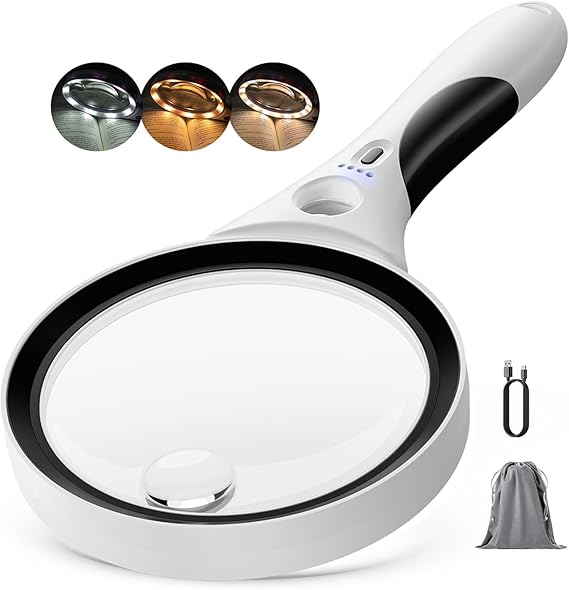
Enables precise identification by revealing diagnostic features invisible to naked eye such as hair patterns, gland structures, and cellular details that distinguish similar species and confirm identifications.

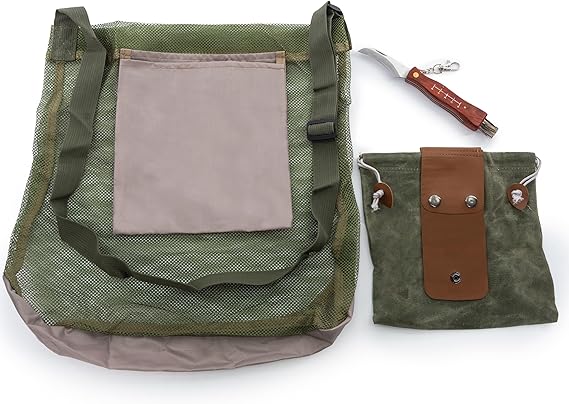
Ensures clean, ethical harvests that don't damage plants or root systems, allows proper specimen handling to prevent contamination, and provides organized transport that maintains freshness and prevents cross-contamination of species.
As an Amazon Associate I earn from qualifying purchases. Prices may change.
Foundation Phase (Weeks 1-3): Study 10 beginner-friendly urban edibles with distinctive features and no dangerous look-alikes (dandelion, plantain, purslane, wood sorrel, clover). Use multiple identification resources including field guides, apps, and expert-verified online databases. Create detailed species profiles with photos from multiple angles, habitat notes, and seasonal availability.
Safety & Ethics Training (Week 4): Complete urban foraging safety certification covering contamination risks, the 'Rule of Twos' for new foods, look-alike warnings for your region, and sustainable harvesting ethics. Learn the 1-in-20 rule (never harvest more than 5% of a patch), avoid roadsides and chemically treated areas, and understand legal foraging zones in your municipality.
Intermediate Identification (Weeks 5-8): Expand your repertoire to 30 species including trees (mulberry, ginkgo, linden), shrubs (serviceberry, elderberry), and ground plants (chickweed, lamb's quarters, nettles). Practice seasonal identification as plants change appearance. Document each species across growth stages from emergence to seed production.
Advanced Techniques (Weeks 9-10): Master challenging identification scenarios including winter foraging, mushroom basics (starting with foolproof species like chicken of the woods), bark and twig identification, and using botanical keys. Learn spore printing, microscopy basics for positive identification, and how to contribute observations to citizen science platforms.
Harvesting & Processing Mastery (Week 11): Develop skills in ethical harvesting tools and techniques, field cleaning and processing, immediate use vs. preservation methods, making tinctures and infusions, dehydrating, fermenting wild edibles, and creating wild food pantry staples. Practice proper storage to maintain nutritional value.
Neighborhood Mapping Project (Week 12): Create a comprehensive foraging map of your area documenting species locations, seasonal availability, harvest notes, and access permissions. Share knowledge through guided walks, social media documentation, or community workshops. Establish relationships with property owners for ongoing foraging access.
Culinary Integration: Develop 20+ recipes incorporating wild edibles, practice substituting foraged ingredients in regular meals, understand flavor profiles and nutritional benefits, and experiment with preservation techniques. Host a wild foods dinner to demonstrate your mastery.
Community Contribution: Join local foraging groups, contribute verified observations to botanical databases, mentor beginning foragers, advocate for protecting urban wild spaces, and participate in invasive species removal/utilization programs.
Get everything you need to make this quest amazing.

Provides authoritative, offline reference material essential for safe identification when cell service is unavailable. Regional specificity ensures coverage of local species variations and toxic look-alikes specific to your area.
Comprehensive, peer-reviewed field guide specific to your bioregion with detailed images, look-alike warnings, and seasonal identification keys
Get on Amazon · $16.97
Enables precise identification by revealing diagnostic features invisible to naked eye such as hair patterns, gland structures, and cellular details that distinguish similar species and confirm identifications.
Professional botanical hand lens for examining leaf structures, flower parts, and surface characteristics
Get on Amazon · $22.99
Ensures clean, ethical harvests that don't damage plants or root systems, allows proper specimen handling to prevent contamination, and provides organized transport that maintains freshness and prevents cross-contamination of species.
Specialized kit including digging knife, pruning shears, mushroom brush, and harvest bag with breathable compartments
Get on Amazon · $19.99Provides instant preliminary identification suggestions with confidence ratings, connects you to expert naturalists for verification, builds your personal species observation database, and contributes to scientific research while learning.
AI-powered plant identification app with offline capability, community verification, and observation tracking

Reveals fluorescent compounds in certain mushroom species for positive identification, helps detect scorpions and other hazards during evening foraging, and enables unique identification techniques for advanced foragers.
Ultraviolet light source for advanced identification and nighttime foraging
Get on Amazon · $39.99As an Amazon Associate, IRL Sidequests earns from qualifying purchases at no extra cost to you.
Prices and availability are subject to change. The price shown at checkout on Amazon at the time of purchase will apply.
Hand-selected quests our team thinks you'll love

Your neighborhood has more species than you think—time to prove it.

Your city's wilder than you think—you just need to know where to look.

That flash of red in the oak tree isn't just background noise anymore.