Your city is a hidden grocery store—learn to read it like a pro forager.
Master the art of urban foraging with expert identification techniques, sustainable harvesting practices, and safety protocols for finding wild edibles in city environments.
Urban foraging transforms how you see your city, revealing edible landscapes hidden in plain sight. This comprehensive masterclass guides you through identifying, harvesting, and safely consuming wild edibles found in urban and suburban environments—from nutrient-dense dandelion greens in parks to wild garlic along creek beds and mulberries hanging over sidewalks. You'll develop the critical identification skills that separate safe foraging from dangerous mistakes, learn sustainable harvesting practices that protect plant populations, and understand the legal and ethical considerations of urban foraging. This quest combines botanical knowledge, practical field experience, and safety protocols used by professional foragers. You'll learn to identify 50+ common urban edible species across multiple plant families, understand seasonal availability, recognize toxic lookalikes, and master harvesting techniques that ensure plant regeneration. The curriculum emphasizes experiential learning through multiple foraging expeditions in different urban habitats, backed by reference materials and expert validation methods. By completing this masterclass, you'll gain a valuable survival skill, deepen your connection to local ecosystems, reduce food costs, and join a growing community of urban foragers who see abundance where others see weeds. Whether you're interested in food security, botanical knowledge, sustainability, or simply connecting with nature in urban spaces, this comprehensive training establishes a foundation for a lifetime of safe, rewarding foraging adventures.
Top gear to make this quest great.

Provides authoritative offline reference for field identification when phone batteries die or connectivity fails; regional specificity ensures accuracy for your local species and avoids confusion with guides from other areas

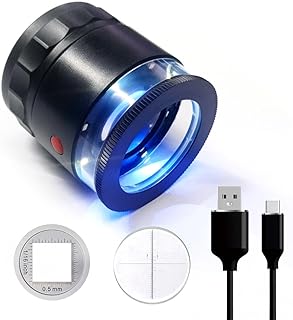
Enables accurate identification of species that require examination of tiny botanical features like trichomes, stipules, or flower structures that distinguish edibles from toxic lookalikes; essential for advancing beyond beginner-level foraging

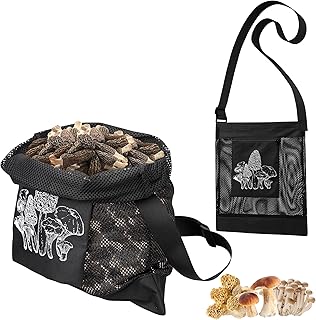
Keeps delicate greens from wilting, prevents mixing of species before proper identification confirmation, allows airflow to prevent spoilage, and provides ethical harvesting organization to track locations and quantities
As an Amazon Associate I earn from qualifying purchases. Prices may change.
Acquire a regional wild edibles field guide specific to your area (physical or digital) and a quality plant identification app with offline capabilities and expert community verification features
Complete foundational safety training: Study the "Universal Edibility Test," learn the 6 most dangerous plant families to avoid (Apiaceae lookalikes, nightshades, etc.), and memorize the 3-point identification rule (never consume based on a single characteristic)
Create your foraging journal system: Document each species with location, date, growth stage, habitat notes, and identification confidence level; include photo documentation from multiple angles
Conduct your first identification walk in a local park or greenspace: Focus on 5-7 of the most common, easily-identified species (dandelion, plantain, clover, chickweed, purslane, wood sorrel, violet) without harvesting
Join a guided urban foraging walk led by an experienced local forager or mycologist to validate your identification skills and learn regional knowledge (check botanical gardens, nature centers, or foraging organizations)
Begin your species portfolio: Successfully identify and photograph 15 common edible species across different plant families, verifying each through multiple sources and, when possible, expert confirmation
Learn proper harvesting ethics: Practice the 1-in-20 rule (never take more than 5% from any population), avoid contaminated sites (roadsides, industrial areas, treated lawns), and understand seasonal regeneration cycles
Expand to intermediate species: Study 15 additional edibles that require more careful identification, including tree species (mulberry, linden, pine), spring ephemeral greens, and plants with toxic lookalikes
Master seasonal foraging: Document availability across seasons—spring shoots and greens, summer fruits and flowers, fall nuts and seeds, winter roots and evergreen needles
Conduct taste testing in controlled portions: Start with tiny amounts of properly identified plants, wait 24 hours, note flavors and potential uses, and build your personal palatability database
Study 10-15 advanced species that require expert-level identification skills: Focus on species with multiple lookalikes, those requiring specific processing (acorn leaching), or regional specialties
Learn basic preservation techniques: Practice drying herbs, making tinctures, freezing greens, and other methods to extend your foraged harvest throughout the year
Complete your masterclass portfolio: Successfully identify, photograph, and document 50+ edible species with confidence ratings, preferred harvest times, culinary uses, and any processing requirements
Create your personal urban foraging map: Mark productive foraging locations, seasonal availability by site, access considerations, and sustainable harvest rotation schedules
Prepare and consume a complete meal featuring at least 5-7 different foraged ingredients you've personally identified and harvested, documenting the experience as your masterclass graduation
Get everything you need to make this quest amazing.

Provides authoritative offline reference for field identification when phone batteries die or connectivity fails; regional specificity ensures accuracy for your local species and avoids confusion with guides from other areas
Comprehensive illustrated guide specific to your geographic region with detailed species descriptions, seasonal information, and lookalike warnings
Get on Amazon · $22.09Enables real-time identification assistance in the field, provides species range maps and confirmation from experienced botanists, stores your identification history, and connects you with regional foraging experts for verification
AI-powered plant identification app with expert naturalist verification, offline species database, and community validation features

Enables accurate identification of species that require examination of tiny botanical features like trichomes, stipules, or flower structures that distinguish edibles from toxic lookalikes; essential for advancing beyond beginner-level foraging
Precision magnification tool for examining plant structures, leaf arrangements, hair patterns, and microscopic features critical for identification
Get on Amazon · $22.79
Keeps delicate greens from wilting, prevents mixing of species before proper identification confirmation, allows airflow to prevent spoilage, and provides ethical harvesting organization to track locations and quantities
Breathable multi-compartment bag designed specifically for carrying foraged plants without crushing or contaminating different species
Get on Amazon · $17.99
Ensures safety of urban foraging locations by identifying contaminated sites before harvest; particularly important in cities with industrial history, near roadways, or in areas with unknown land use history; prevents consumption of plants that have bioaccumulated toxins
Multi-use testing kit for detecting heavy metals, pesticides, and other contaminants in soil and water near foraging sites
Get on Amazon · $269.10As an Amazon Associate, IRL Sidequests earns from qualifying purchases at no extra cost to you.
Prices and availability are subject to change. The price shown at checkout on Amazon at the time of purchase will apply.
Hand-selected quests our team thinks you'll love

Your neighborhood has more species than you think—time to prove it.

Your city's wilder than you think—you just need to know where to look.

That flash of red in the oak tree isn't just background noise anymore.