Your city is a free grocery store if you know where to look.
Learn to safely identify and harvest edible wild plants in urban environments across all four seasons with expert foraging techniques.
Urban foraging isn't about surviving in the wilderness—it's about recognizing that cities are ecosystems packed with edible plants most people walk past daily. I've harvested dandelion greens from park edges in March, mulberries dripping from sidewalk trees in June, black walnuts from parking lot islands in October, and chickweed thriving under December snow. Each season offers different plants, and knowing what to look for transforms every walk into a potential harvest. The real skill isn't just identification—it's understanding contamination zones, harvest ethics, and seasonal timing. That mullein growing next to the highway? Skip it. The purslane spreading through an untreated community garden? That's dinner. You'll learn to read your urban landscape differently: noticing which parks use chemical treatments (avoid), where fruit trees drop ignored harvests (jackpot), and which vacant lots have been undisturbed long enough to be safe (usually 3+ years). This guide breaks down foraging by season because plants don't read calendars—they respond to temperature and daylight. Spring brings tender shoots and greens. Summer explodes with fruits and flowers. Fall offers nuts, seeds, and roots. Winter reveals evergreens and dormant edibles. By cycling through all four seasons, you'll build a year-round foraging practice that deepens your connection to your city's hidden food system while keeping your skills sharp.
Start with spring reconnaissance (March-May): Walk your neighborhood at dawn when light is best for plant ID. Target dandelions before they flower—leaves get bitter after. Check parks for wild onion patches (crush a leaf, smell for onion scent to confirm). Scout mulberry trees now so you know where to return in June. Avoid anywhere within 50 feet of roads or treated lawns. Photograph everything, note GPS locations.
Learn the 'rule of five' for safe identification: You need five matching characteristics—leaf shape, arrangement, stem type, smell, and growth pattern. Never rely on one feature. Chickweed has tiny white star flowers AND a single line of hair running up the stem. Wood sorrel tastes lemony AND has heart-shaped leaflets that fold at night. Download photos to your field guide app for side-by-side comparison, not just memory.
Execute summer harvests (June-August) in early morning before heat. Mulberries stain everything—bring your harvest bag. They're ripe when they fall at the slightest touch. Wild grapes appear in August along fences and neglected areas—taste one first; some are mouth-puckeringly sour. Purslane thrives in sidewalk cracks; harvest the top 3 inches, leaving roots to regrow. Always take less than 30% from any patch.
Master fall foraging (September-November) by looking up and down. Black walnuts litter parking lots—the green outer hull will stain your hands brown for days, which is why you need gloves. Acorns need processing (leaching tannins) but are everywhere. Dig for burdock roots in disturbed soil before first frost. Rose hips turn red after cold—wait until they're soft to touch, avoid any with visible mold.
Practice winter identification (December-February) when deciduous plants are dormant. This is when you learn plant architecture without leaves distracting you. Chickweed stays green under snow. Pine needles for tea are available year-round—avoid yew (toxic) by checking that needles are in clusters, not single and flat. Scan for persistent berries like hawthorn. Mark locations of dormant plants for spring return.
Document every harvest with photo, date, location, and weather conditions. Notice patterns: that vacant lot's lambsquarters exploded after June rain. The park's elderflowers peaked exactly June 18th. Next year, you'll know precisely when and where to go. Start a foraging journal separate from your phone—battery dies, but paper records your multi-year data.
Process your harvests properly within 4 hours. Greens need washing in three water changes to remove grit. Berries can be frozen immediately. Nuts need drying for weeks. Learn what grows back versus what you'll kill by over-harvesting. Dandelion roots regenerate. Ramps take 7 years to mature from seed—never take more than 10% of any ramp patch.
Connect with local foraging groups for species verification before consuming anything new. Post clear photos in identification forums. Wait for consensus from multiple experienced foragers. The stakes are real—some urban plants accumulate heavy metals, others are toxic look-alikes. When in doubt, don't eat it. Build your repertoire slowly: master 5 plants per season rather than attempting 50.
Understand legality and ethics: Public parks vary by municipality. Some ban foraging entirely, others allow personal use. Obtain written permission for private property. Never forage in nature reserves. Leave seed heads, don't damage plants, scatter seeds as you walk. You're part of the ecosystem, not extracting from it.
Rotate through all four seasonal cycles at least twice before considering yourself competent. First year is observation and small harvests. Second year, your eye will automatically spot edibles, you'll predict peak times, and you'll know your contamination-free zones. By year three, urban foraging becomes muscle memory—you'll never walk past food again.
Get everything you need to make this quest amazing.
Advanced plant identification app with machine learning, seasonal availability filters, regional contamination data, and works offline via downloaded regional packs
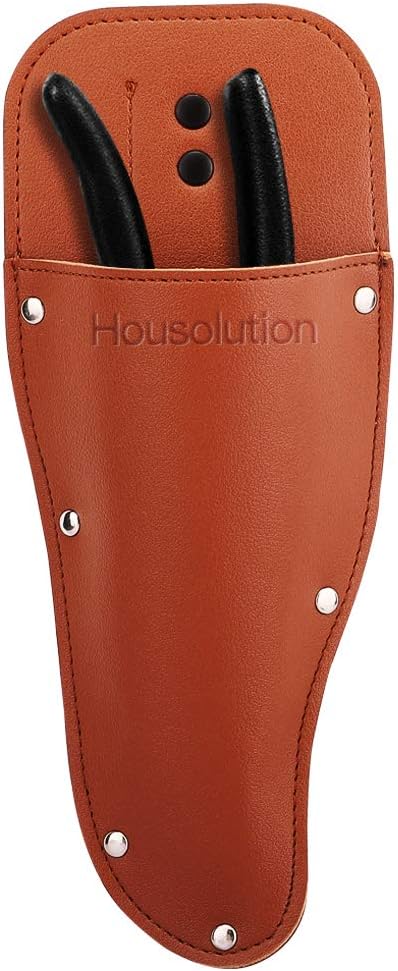
Get This ItemStainless steel foraging scissors with fine serrated blade for clean cuts, curved tip for accessing tight spaces, spring-loaded handles to reduce hand fatigue
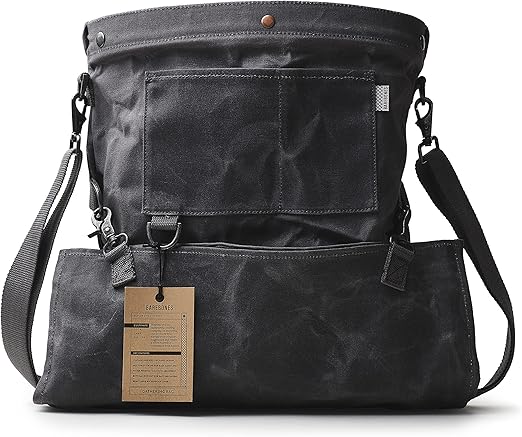
Get This ItemLightweight mesh construction with reinforced bottom, machine washable, 8-liter capacity with drawstring closure and adjustable cross-body strap
Get This ItemAt-home test strips or mail-in lab kit detecting lead, arsenic, cadmium, and other common urban soil contaminants with results in 5-7 days
Get This ItemPocket-sized magnifying loupe with built-in LED illumination, 10x magnification, and protective case with lanyard attachment
Get This Item💙 Shopping through these links helps support IRL Sidequests at no extra cost to you. Thanks for making adventures possible!
Hand-selected quests our team thinks you'll love

Cozy, gooey, unforgettable nights.

Turn your kitchen into a mad scientist’s bar.

Sharpshooter bragging rights start here.