Your city is an edible ecosystem—discover the wild foods hiding in plain sight on every block.
Master the art of urban foraging with expert identification techniques, safety protocols, and sustainable harvesting methods for finding edible plants in city environments.
Urban foraging transforms city dwellers into hunter-gatherers, revealing an abundant world of edible plants, fruits, and herbs thriving in parks, boulevards, and neglected corners of the urban landscape. This comprehensive quest teaches you to safely identify, sustainably harvest, and responsibly consume wild edibles growing within city limits. From dandelion greens in sidewalk cracks to mulberry trees in parking lots, you'll develop the botanical knowledge and ethical framework to forage confidently while respecting ecosystems and private property. This quest emphasizes the critical importance of proper plant identification, contamination avoidance, and sustainable harvesting techniques that ensure plant populations thrive for future foragers. You'll learn the '100% rule' of identification—never consuming anything unless you're absolutely certain of its identity—while building a personal field guide of reliable, abundant urban species. Beyond food security, urban foraging connects you to seasonal rhythms, deepens ecological awareness, and transforms ordinary city walks into treasure hunts. Whether you're interested in supplementing your diet with nutrient-dense wild foods, developing survival skills, or simply experiencing your city through a new lens, this quest provides the foundational knowledge for a lifelong foraging practice. You'll explore legal and ethical considerations, learn to assess site safety, master identification techniques using multiple plant characteristics, and discover preparation methods that transform common 'weeds' into gourmet ingredients.
Top gear to make this quest great.

Essential for accurate plant identification beyond smartphone apps. Regional guides include species actually present in your area and account for local growing conditions. Photos at multiple life stages prevent misidentification when plants don't match app database images.

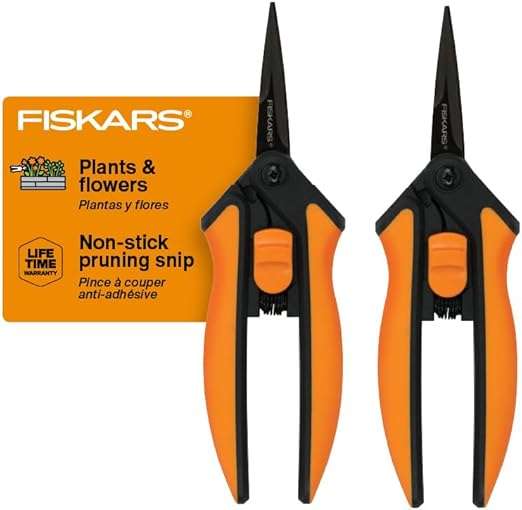
Makes clean cuts that allow plants to regenerate properly, unlike tearing which damages tissue and invites disease. Curved blade design prevents accidental damage to surrounding plants and root systems, ensuring sustainable harvesting practices.

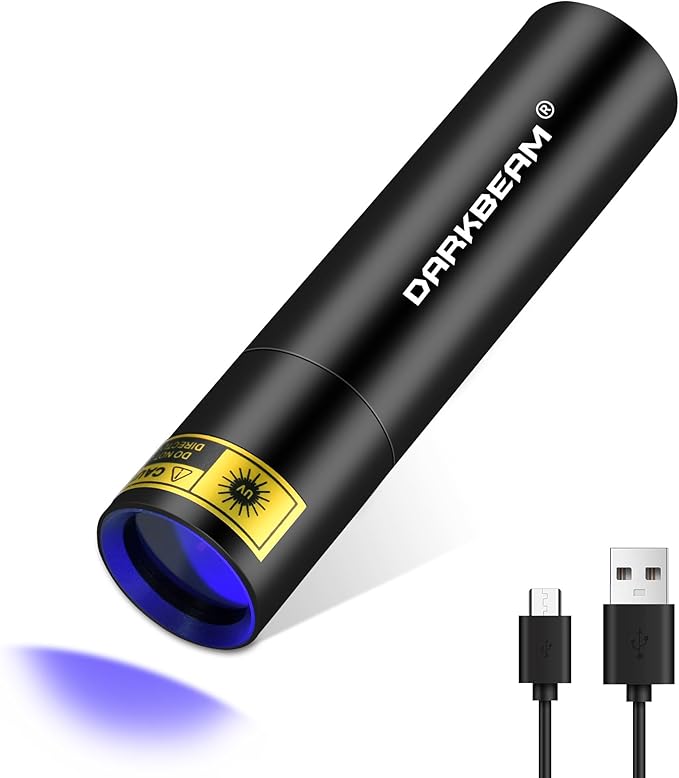
Reveals pesticide residues and chemical treatments on plants before harvest, adding critical safety layer for urban foraging where chemical use is common. Helps identify which areas of parks or public spaces are treated versus natural, allowing safer site selection.
As an Amazon Associate I earn from qualifying purchases. Prices may change.
Study foundational plant identification using the recommended field guide specific to your bioregion. Focus on learning 5-10 extremely common, unmistakable species first: dandelion, plantain, clover, chickweed, and purslane are excellent beginner plants with no toxic look-alikes.
Research local foraging regulations and identify public spaces where foraging is permitted. Parks departments, botanical gardens, and city websites often provide guidelines. Map 3-5 potential foraging locations away from roads, parking lots, and areas with pesticide application.
Conduct a site safety assessment at your chosen location. Examine distance from roads (minimum 50 feet from traffic), check for signs of chemical treatment, observe dog traffic, and look for industrial contamination sources. Document site conditions in your foraging journal.
Begin your first foraging walk during peak growing season (April-June for most regions). Walk slowly, scanning for the specific plants you've studied. When you find a potential match, photograph it from multiple angles and examine: leaf arrangement, stem characteristics, flower structure, growth habit, and smell.
Use your UV flashlight to check for pesticide residues if available (many chemicals fluoresce under UV light). Apply the '100% rule': if you have ANY doubt about identification, do not harvest. Cross-reference at least 3 identification characteristics before considering a plant safe.
Practice sustainable harvesting techniques: take only 10-20% from any plant population, harvest from abundant patches only, avoid rare species, rotate harvest locations, and leave root systems intact when taking leaves. Use your harvest scissors to make clean cuts that don't damage plants.
Document your findings with the specialized foraging app, recording GPS location, photos, harvest date, and plant condition. Build your personal 'safe list' of reliably identified species you can return to throughout the season.
Clean your harvest thoroughly at home: soak in cold water for 10 minutes, rinse multiple times, and inspect for insects or contamination. Start with very small taste portions when trying any new species, even after positive identification, to check for personal sensitivities.
Begin with simple preparations: young dandelion leaves in salad, chickweed pesto, or plantain-infused vinegar. Keep a preparation journal noting taste, texture, and recipes. Join local foraging groups to verify identifications with experienced foragers.
Continue building your knowledge seasonally: different plants are available spring (tender greens), summer (berries, flowers), fall (nuts, seeds, roots), and winter (evergreen needles, persistent fruits). Revisit the same locations to observe plant life cycles and seasonal variations.
Get everything you need to make this quest amazing.

Essential for accurate plant identification beyond smartphone apps. Regional guides include species actually present in your area and account for local growing conditions. Photos at multiple life stages prevent misidentification when plants don't match app database images.
Comprehensive identification guide specific to your geographic region with detailed photos showing plants at multiple life stages, toxic look-alikes, and seasonal variations
Get on Amazon · $16.97
Makes clean cuts that allow plants to regenerate properly, unlike tearing which damages tissue and invites disease. Curved blade design prevents accidental damage to surrounding plants and root systems, ensuring sustainable harvesting practices.
Stainless steel scissors designed specifically for clean plant cuts, with curved blades that protect stems and ergonomic handles for extended use
Get on Amazon · $27.35Provides instant secondary verification of plant identification in the field, access to thousands of reference photos, and community expert review of uncertain identifications. Offline database ensures functionality in areas without cell service. Never use as sole identification source.
AI-powered plant identification app with offline capability, toxic plant warnings, and community verification features for cross-referencing field guide identifications

Reveals pesticide residues and chemical treatments on plants before harvest, adding critical safety layer for urban foraging where chemical use is common. Helps identify which areas of parks or public spaces are treated versus natural, allowing safer site selection.
Ultraviolet flashlight at 365nm wavelength that causes many pesticides, herbicides, and fungicides to fluoresce, revealing chemical contamination invisible to naked eye
Get on Amazon · $12.99
Mesh construction allows plants to breathe and prevents wilting during extended foraging sessions, unlike plastic bags which create moisture and decomposition. Compartments prevent cross-contamination of strong-flavored species and keep delicate plants from crushing. Shoulder strap keeps hands free for identification and photography.
Breathable mesh basket that collapses flat for transport, with adjustable shoulder strap and multiple compartments to separate different plant species during harvest
Get on Amazon · $18.99As an Amazon Associate, IRL Sidequests earns from qualifying purchases at no extra cost to you.
Prices and availability are subject to change. The price shown at checkout on Amazon at the time of purchase will apply.
Hand-selected quests our team thinks you'll love

Your neighborhood has more species than you think—time to prove it.

Your city's wilder than you think—you just need to know where to look.

That flash of red in the oak tree isn't just background noise anymore.