Complete Urban Forager's Academy - Nature & Outdoors quest for Intermediate level adventurers

Complete Urban Forager's Academy

Turn sidewalk weeds into gourmet ingredients and reclaim food knowledge your great-grandparents knew by heart.

Share:
4 supplies needed· Estimated total: $60+
View supplies

About This Quest

Master identifying, harvesting, and using wild edible plants in urban environments through hands-on foraging education and practical field experience.

Urban foraging isn't about surviving the apocalypse—it's about recognizing the dandelions in every parking lot median are more nutritious than most salad greens, and the mulberries dropping on your windshield make better jam than anything at the farmers market. Most cities have 30-50 edible species growing within a ten-minute walk of any address, but we've been trained to see them as weeds or landscaping. The Urban Forager's Academy teaches you to read your city differently, where ornamental crabapples become free pectin sources and that aggressive vine strangling the fence line turns out to be wild grapes. The program runs as a hybrid model—online modules for plant identification, foraging ethics, and safety protocols, paired with monthly in-person walks where you'll actually get your hands dirty. You'll learn to spot wood sorrel growing in sidewalk cracks (tastes like lemony spinach, perfect for tacos), identify the three types of edible clover that dominate city parks, and understand why you never harvest within 25 feet of roadways due to lead and exhaust particulates. The mushroom module alone is worth the price—you'll learn the six foolproof beginner species that grow on urban trees and wood chips, plus the deadly look-alikes to avoid. By graduation, you'll have a personalized seasonal foraging calendar for your specific city, know which parks allow harvesting, understand processing techniques from dehydration to fermentation, and have connections with the local foraging community. The instructors are certified herbalists and mycologists who've been teaching this for years—they know which neighborhood has the best elderberry thicket and which community garden allows ethical edge harvesting. You're not learning from a blog or YouTube rabbit hole; you're getting vetted knowledge from people who actually eat wild food weekly.

Duration
8-12 weeks
Estimated Cost
$60+
Location
Both
Season
Year-round
Family Friendly
All ages welcome

What You'll Need

Top gear to make this quest great.

Professional Forager's Hand Lens (10x-20x magnification)
Professional Forager's Hand Lens (10x-20x magnification)Popular

Essential for accurate plant identification—examining leaf margins, stem hairs, and other microscopic features that differentiate edible species from toxic look-alikes. Phone cameras miss critical details.

$25-45
Regional Wild Edibles Field Guide (Physical Copy)

Digital apps fail when you're deep in a park with no signal. Physical guides with laminated pages survive rain and include detailed range maps, seasonal calendars, and look-alike warnings specific to your bioregion.

$18-30
Foraging Harvest Bag Set (Breathable Canvas)

Plastic bags cause harvested plants to sweat and spoil within hours. Canvas bags allow airflow, keep different species separated, and prevent cross-contamination. The shoulder strap keeps hands free for continued foraging.

$20-35
View all 4 supplies

As an Amazon Associate I earn from qualifying purchases. Prices may change.

Step-by-Step Guide

1

Research accredited urban foraging programs in your metro area—check community colleges, botanical gardens, mycological societies, and herbalist schools for courses starting in your target season (spring enrollment fills fastest). Verify instructor credentials include formal botany or mycology training, not just enthusiast experience. Cost ranges $200-$600 depending on program length.

2

Register for the foundational module covering foraging ethics (never take more than 10% of a patch, respect private property, learn local harvesting laws), plant anatomy basics, and the universal edibility test principles. Most programs require this before field walks. Complete the online portion including species flashcards and seasonal phenology charts during week one.

3

Attend your first scheduled field walk with required items: hand lens for examining plant structures, harvest bags (never use plastic), and gloves for handling plants with irritant sap. The instructor will demonstrate positive ID techniques for 5-7 beginner species. Practice the three-point identification system: leaf pattern, stem characteristics, and either flower or root structure depending on season.

4

Between walks, practice solo observation in designated practice zones (usually public parks where the program has permission). Use your field guide to attempt identification before the next walk where the instructor confirms accuracy. Document finds with photos noting date, location, and growth conditions. Expect to misidentify plants initially—everyone does. The goal is pattern recognition over time.

5

Complete the seasonal specialization modules matching your local climate: spring greens and shoots, summer berries and flowers, fall nuts and roots, winter bark and evergreens. Each module includes specific harvest timing (wild asparagus has a two-week window), preparation methods (some plants need cooking to neutralize compounds), and storage techniques.

6

Attend advanced workshops for specific categories: mushroom foraging requires separate certification due to higher risk factors, medicinal plant identification needs additional safety training, and fermentation/preservation techniques deserve dedicated classes. These run as weekend intensives or evening series.

7

Complete the practical examination demonstrating correct identification of 20+ local species across seasons, proper harvesting technique without damaging plant populations, and basic processing for consumption. Most programs require you to prepare a wild food dish judged for both correct species ID and culinary execution.

8

Join the program's community network for continued learning—many run year-round foraging meetups, plant swaps, and seasonal preservation workshops. The collective knowledge of experienced foragers in your area is invaluable for spot-specific tips like 'the black walnuts behind the old factory are ready mid-October' or 'avoid the park near the highway repaving project this year.'

Gear Up for Your Quest

Get everything you need to make this quest amazing.

10X Rechargeable Jewelers Loupe Magnifier with LED Light & Detachable Reticle Scale, 25mm Field of View, Adjustable Focus Scale Loupe Jewelry Magnifying Glass for Gems, Coins, Watches, Close Work

Professional Forager's Hand Lens (10x-20x magnification)

EssentialPopular
$29.99
★★★★4.1 (48)

Essential for accurate plant identification—examining leaf margins, stem hairs, and other microscopic features that differentiate edible species from toxic look-alikes. Phone cameras miss critical details.

Jeweler's loupe or botanist's hand lens with proper magnification and LED lighting for field use

Get on Amazon · $29.99

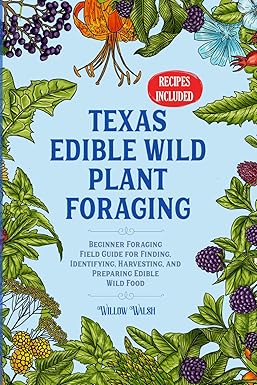
Texas Edible Wild Plant Foraging: Beginner Foraging Field Guide for Finding, Identifying, Harvesting, and Preparing Edible Wild Food (The Foraging Series)

Regional Wild Edibles Field Guide (Physical Copy)

Essential
$16.97
★★★★4.0 (242)

Digital apps fail when you're deep in a park with no signal. Physical guides with laminated pages survive rain and include detailed range maps, seasonal calendars, and look-alike warnings specific to your bioregion.

Waterproof, region-specific guide focusing on your geographic area's flora (Pacific Northwest, Northeast, Southeast, etc.)

Get on Amazon · $16.97

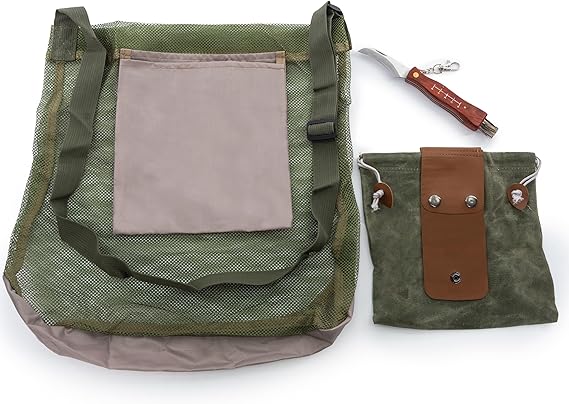
CLAYNIX Mushroom Foraging Kit, Set of 3 Mushroom Collecting Tools kit includes 1pc Mushroom Knife with Brush, 1pc Collapsible Bag, and 1pc Mushroom Foraging Bag, Best Mushroom Foraging Kit

Foraging Harvest Bag Set (Breathable Canvas)

Recommended
$19.99
★★★★4.4 (63)

Plastic bags cause harvested plants to sweat and spoil within hours. Canvas bags allow airflow, keep different species separated, and prevent cross-contamination. The shoulder strap keeps hands free for continued foraging.

Multiple breathable canvas or mesh bags in various sizes with drawstring closures and shoulder straps

Get on Amazon · $19.99

Seek by iNaturalist App

Seek by iNaturalist App

Recommended
$0

Provides instant preliminary identification suggestions in the field, tracks your observation history with GPS coordinates, and connects to expert botanists for verification. Use as a starting point, never as sole confirmation for edibility.

AI-powered plant identification app with offline mode and community verification features, specifically designed for nature education


DRACHENADER Mushroom Knife N-1, 8.15" Folding Mushroom Knife with Brush, Leather Sheath, 5Cr14MoV Stainless Steel Blade, secure Liner-Lock Design for Foraging and Harvesting

Foraging Knife with Digging Blade

Optional
$23.99
★★★★★4.7 (240)

Purpose-built for ethical harvesting—curved blade cuts stems cleanly without damaging plants, digging end extracts roots while minimizing soil disruption, and measurement markings ensure legal harvest sizes for regulated species.

Specialized foraging tool combining harvest blade, root digging spatula, and bark scoring edge in one compact design

Get on Amazon · $23.99

As an Amazon Associate, IRL Sidequests earns from qualifying purchases at no extra cost to you.

Prices and availability are subject to change. The price shown at checkout on Amazon at the time of purchase will apply.