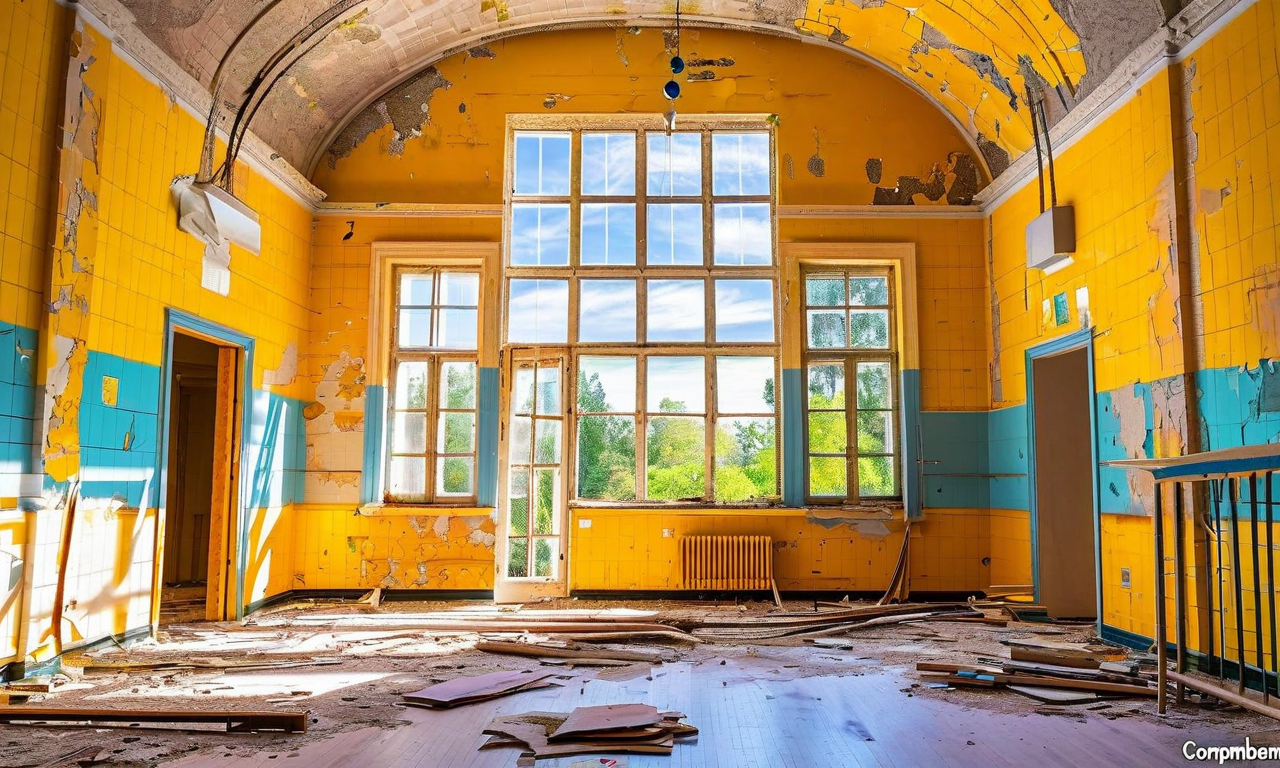
Complete Urban Exploration Skills Academy
Turn from curious wanderer to skilled urban explorer with techniques that keep you safe and your documentation sharp.
About This Quest
Master essential urbex skills through hands-on training in architectural photography, navigation, safety protocols, and documentation techniques.
Urban exploration isn't just about finding cool abandoned buildings—it's a discipline that requires legitimate skills. This academy builds your foundation across five critical areas: architectural photography composition, navigation without reliable maps, structural safety assessment, legal boundary recognition, and professional documentation. You'll practice each skill in controlled environments before applying them to actual exploration scenarios. The training starts in accessible public spaces where you can practice framing shots through chain-link fences, identifying structural warning signs on older buildings, and using offline mapping tools. By session three, you're reading building permits at city offices and understanding property boundaries. The lighting on brick facades changes completely between 7AM golden hour and harsh noon sun—you'll learn to schedule your shoots accordingly. Window glass reflects differently when viewed at 45-degree angles versus straight-on, a detail that makes or breaks interior shots from outside. This isn't theoretical classroom stuff. You'll spend actual time in the field: two hours practicing low-light photography techniques in parking structures, another session learning to spot asbestos warning signs and structural instability markers, and dedicated time understanding trespassing laws specific to your jurisdiction. The goal is developing judgment—knowing when a space is genuinely abandoned versus actively secured, when a floor is safe to walk versus dangerously rotted, and when to document versus when to leave immediately.
Step-by-Step Guide
Begin with Photography Fundamentals module: Spend two sessions in legal, accessible spaces (parking garages, public stairwells, urban parks) practicing manual camera settings. Focus on low-light conditions without flash—ISO 1600-3200, aperture f/2.8 or wider, shutter speeds you can handhold (1/60s minimum). Shoot the same location at different times: 6AM, noon, 4PM, and after dark to understand how natural and artificial light changes architectural features.
Practice Navigation & Mapping skills: Download offline maps of your city using OsmAnd or Maps.me. Walk a 2-mile urban route with your phone in airplane mode, navigating only by downloaded maps and physical landmarks. Mark waypoints at interesting structures. Learn to read property boundary maps from your county assessor's website—understanding lot lines prevents accidental trespassing on adjacent properties.
Complete Safety Assessment training: Walk through older commercial districts identifying visual safety markers. Look for: cracked foundation corners (45-degree diagonal cracks indicate serious structural issues), rust stains below windows (water damage), boarded windows with gaps (entry points and hazard indicators), and posted environmental warnings. Photograph each marker type to build your reference library. Practice the 'floor test'—always test floor stability with your weight on beams/joists near walls before walking on center spans.
Study Legal Boundaries module: Read your local trespassing statutes (usually state penal code section 602 variants). Understand difference between civil trespass (asked to leave) versus criminal trespass (entering secured property with 'no trespassing' signs). Visit your city planning office and request to view permits for 3-4 older buildings—you'll learn to identify active construction permits, demolition orders, and true abandonment status. Buildings in permit limbo aren't legally abandoned.
Execute Documentation Protocol training: Create a standardized checklist for every location you explore—exterior condition photos from all four sides, interior room-by-room documentation if accessible, GPS coordinates, property address verification, date/time stamp. Practice ethical documentation: never showing specific entry methods, avoiding identifiable graffiti tags, not publishing live locations of unsecured sites. Build a catalog system using Adobe Lightroom or similar with location metadata stripped from public-shared images.
Conduct Field Application exercise: Choose 2-3 legally accessible 'practice sites'—these might be scheduled-for-demolition buildings during public viewing hours, officially abandoned properties with owner permission, or historical sites with documented urbex access. Apply all five skill modules: professional documentation, safety assessment before entry, navigation to and from site using offline maps, appropriate photography technique for conditions, and clear understanding of your legal standing. Review your documentation afterward—what did you miss? What safety signs did you initially overlook?
Join online urbex communities after completing basics: Share your practice documentation (never active locations) for feedback. Learn from experienced explorers' techniques. Understand community ethics: never sharing live locations publicly, respecting 'leave no trace' principles, and prioritizing safety over getting the shot. The urbex community self-regulates heavily—building trust takes time and demonstrated responsibility.
Gear Up for Your Quest
Get everything you need to make this quest amazing.
Wide-angle lens attachment for smartphone (16mm equivalent) or dedicated camera lens
EssentialOptical glass wide-angle lens adapter that captures full room interiors and architectural facades in tight spaces
Get This ItemHandheld LED work light with red-light mode (300+ lumens)
EssentialCompact rechargeable work light with adjustable brightness and red-light setting for night vision preservation
Get This ItemOffline mapping app with layer downloads (OsmAnd Plus or Gaia GPS)
EssentialProfessional-grade GPS app with downloadable topographic, satellite, and cadastral (property boundary) map layers that function without cell service
Get This ItemStructural safety reference guide (digital or pocket-sized)
RecommendedQuick-reference card or app showing visual indicators of structural failure, hazardous materials, and environmental dangers
Get This Item💙 Shopping through these links helps support IRL Sidequests at no extra cost to you. Thanks for making adventures possible!
Editor's Picks
Hand-selected quests our team thinks you'll love

Tabletop Firepit Night
Cozy, gooey, unforgettable nights.

Cocktail Science Lab
Turn your kitchen into a mad scientist’s bar.
Pellet Gun Accuracy Challenge
Sharpshooter bragging rights start here.