
Complete IRL Sidequest Starter System
Stop doomscrolling. Start building a quest log that makes Tuesday feel like a boss battle.
About This Quest
Build your personal quest system to gamify real-world experiences. Learn proven frameworks for tracking adventures, earning XP, and designing meaningful challenges.
You've spent hundreds of hours optimizing video game characters, but your actual life runs on autopilot. The IRL Sidequest Starter System flips that script. This isn't about productivity porn or hustle culture—it's about making ordinary days feel like they matter. You'll build a personalized framework that turns random activities into tracked quests, complete with difficulty ratings, XP systems, and achievement unlocks. The best part? You're not following someone else's arbitrary challenges. You design quests around what actually interests you—whether that's trying every taco truck in your city, learning to identify 50 birds, or having real conversations with strangers. The system works because it taps into the same reward loops that make games addictive, except the prizes are memories, skills, and stories worth telling. I've been running this system for two years. Started simple with a spreadsheet, graduated to a custom Notion database. Now I've got 147 completed quests logged, ranging from "Find the best sunrise spot in town" (4 hours, Medium difficulty) to "Host a dinner party for people who've never met" (12 hours prep, Hard difficulty). The framework itself takes one afternoon to build, then becomes your operating system for making life less monotonous.
Step-by-Step Guide
Set up your quest tracking system. Choose your platform: physical journal, spreadsheet, or digital tool like Notion or Obsidian. Create columns for Quest Name, Difficulty (Easy/Medium/Hard/Epic), Time Required, XP Value (10-100 points), Status (Not Started/In Progress/Complete), and Completion Date. I use a Notion database with custom views that filter by difficulty and category.
Define your quest categories based on what you actually want more of in your life. Examples: Urban Discovery (finding hidden spots), Social Missions (connecting with people), Skill Building (learning new abilities), Creative Output (making things), Physical Challenges (pushing your body). Pick 3-5 categories that resonate. These become your character stats.
Create your starter quest pool with 15-20 quests across difficulties. Easy quests (10 XP): Try a new coffee shop, take a different route home, cook a recipe you've never made. Medium quests (25 XP): Attend an event alone, explore a neighborhood you've never visited, learn 10 phrases in a new language. Hard quests (50 XP): Complete a full-day photography challenge, host a themed dinner party, finish a 30-day creative project. Epic quests (100 XP): Multi-day adventures or major accomplishments.
Establish your XP system and level progression. Start at Level 1. Every 100 XP = 1 level. Track both total XP and category-specific XP to see where you're developing. When you hit certain milestones (Level 5, 10, 15), give yourself a tangible reward—a nice meal out, a piece of gear you've wanted, a weekend trip.
Design your quest cards or entries. Each quest needs: Clear objective (specific and measurable), Difficulty rating, Estimated time, Required supplies, Optional challenge mode (harder variation), Reward (what you get besides XP—could be a photo, a skill, a story). Write these like someone's actually going to follow them, because you are.
Add a daily/weekly quest rotation. Keep 3-5 active quests in your "current" column. Mix difficulties so you're not burning out on hard challenges. When you complete one, pull a new one from your backlog. Sunday nights work well for reviewing the week and queuing up new quests.
Build in reflection checkpoints. Every 10 completed quests, write a short debrief: What surprised you? Which quests felt meaningful versus obligatory? What categories are you neglecting? Your system should evolve based on what you actually enjoy, not what sounds impressive.
Create quest chains—sequences where one quest unlocks another. Example: "Try 3 new restaurants" unlocks "Host a food tour for friends." Or "Identify 10 local birds" unlocks "Lead a bird walk for beginners." This builds momentum and gives you progression beyond just point accumulation.
Set up a failure protocol. Not every quest works out. Weather changes, plans fall through, or something just doesn't click. Have a "Abandoned Quests" section and write one sentence about why you dropped it. No guilt, just data. Some of my best quest redesigns came from analyzing failures.
Share selectively. Tell one or two people about your system. Having someone ask "How's your quest log going?" creates gentle accountability. Bonus: They might want to join specific quests with you, which makes the whole thing more fun and less solitary.
Gear Up for Your Quest
Get everything you need to make this quest amazing.
Notion Premium or Obsidian with Community Plugins
RecommendedAdvanced note-taking and database systems with customizable views, templates, and linking capabilities
Get This ItemQuest Timer App with Gamification (Forest, Habitica, or Finch)
RecommendedSpecialized apps that combine time tracking with game mechanics and rewards
Get This ItemPortable Photo Printer (Instax Mini or Polaroid Go)
OptionalCompact instant camera printer that creates physical photo prints of quest completions
Get This ItemCustom Quest Stamp or Embosser
OptionalPersonalized stamp or embossing tool with your quest system logo or symbol
Get This Item💙 Shopping through these links helps support IRL Sidequests at no extra cost to you. Thanks for making adventures possible!
Editor's Picks
Hand-selected quests our team thinks you'll love
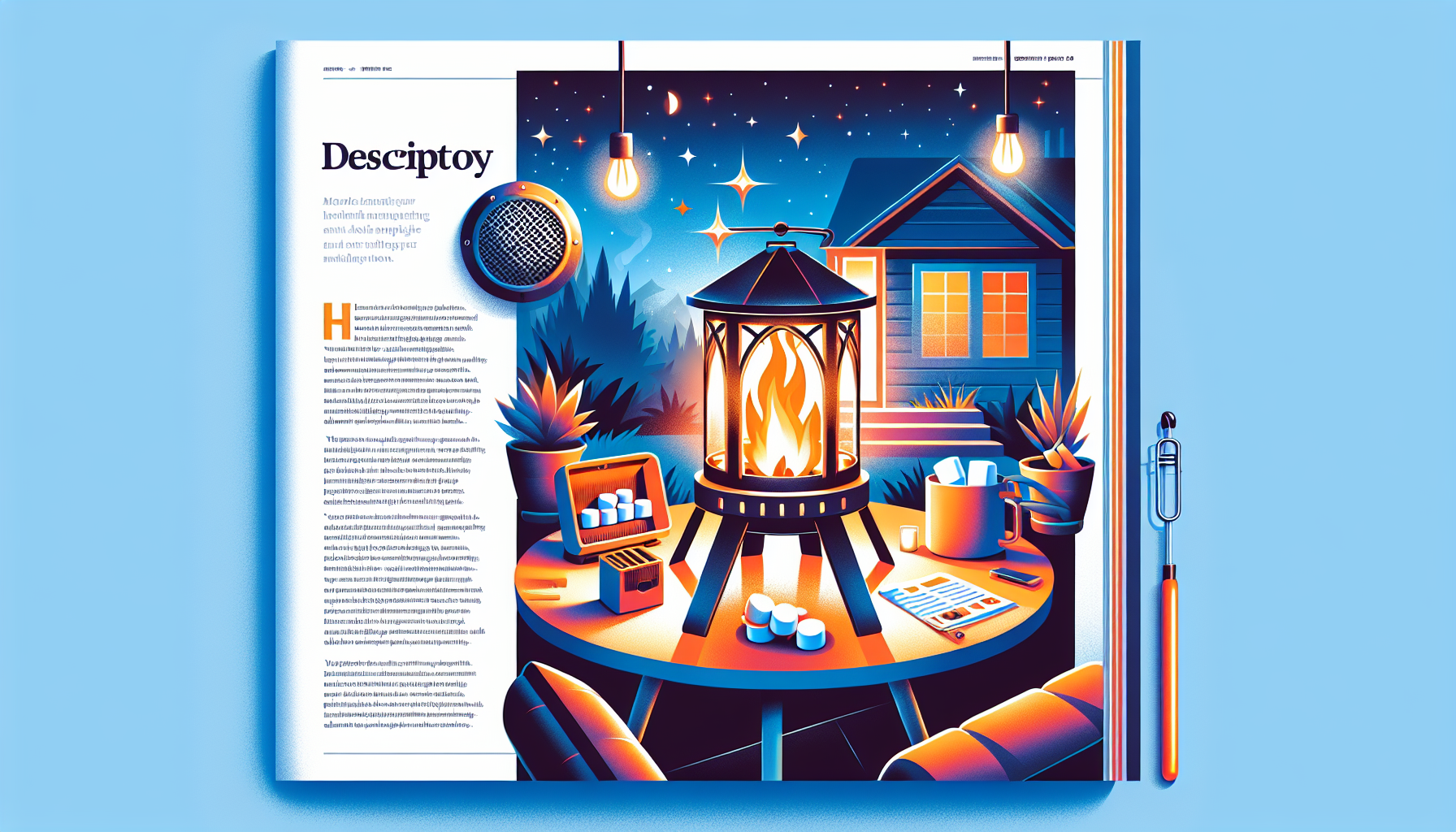
Tabletop Firepit Night
Cozy, gooey, unforgettable nights.

Cocktail Science Lab
Turn your kitchen into a mad scientist’s bar.
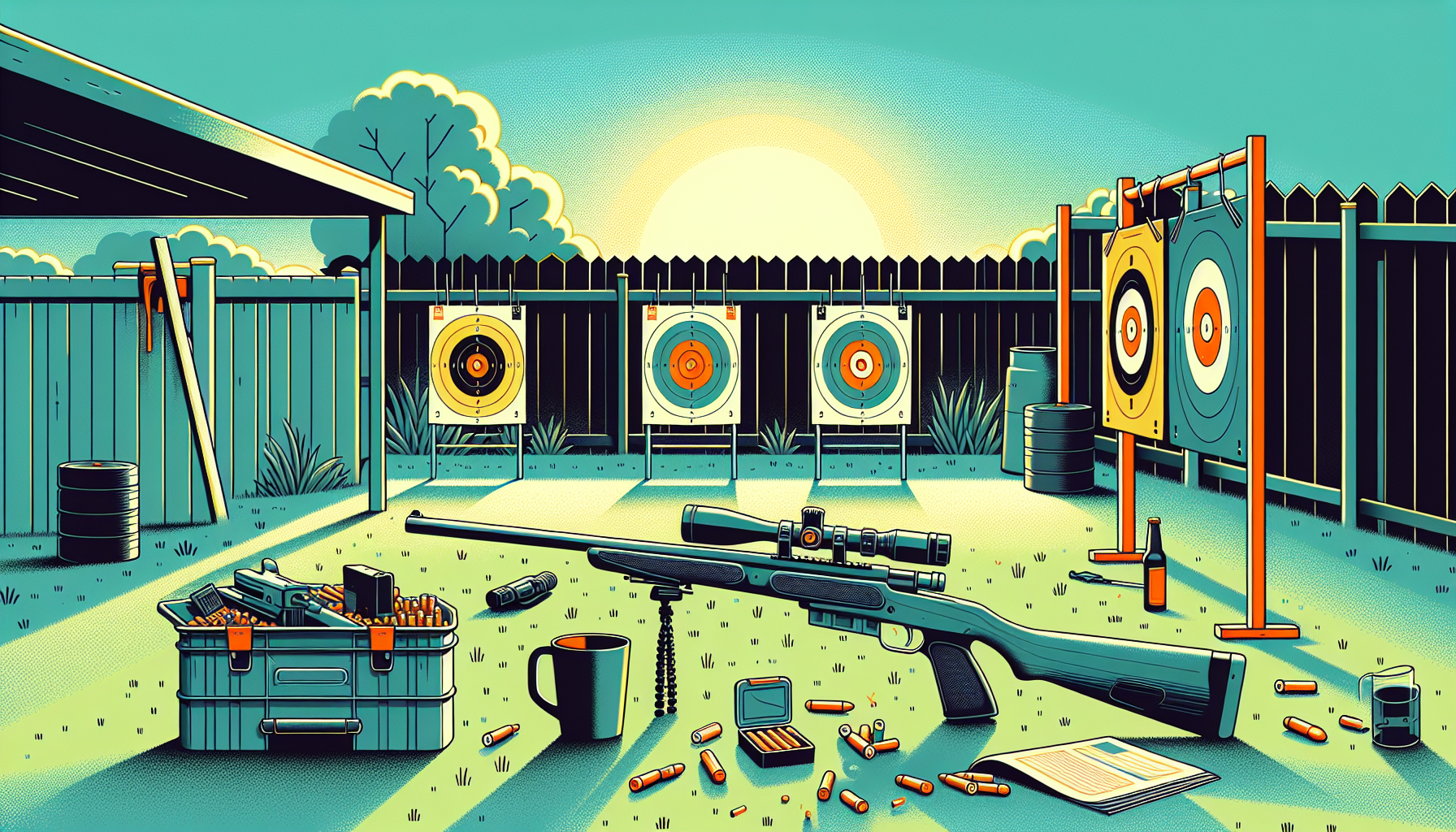
Pellet Gun Accuracy Challenge
Sharpshooter bragging rights start here.