
IRL Sidequests
Cloud Spotting: A Meteorological Mindfulness Journey - Nature & Outdoors quest for Beginner level adventurers

Cloud Spotting: A Meteorological Mindfulness Journey

Turn your gaze upward and discover the ever-changing art gallery painted across the sky.

About This Quest

Master the art of cloud identification while practicing mindfulness through deliberate sky observation. Learn to recognize all 10 cloud genera and understand weather patterns.

Cloud spotting combines the scientific discipline of amateur meteorology with the contemplative practice of mindfulness. This quest teaches you to identify the ten cloud genera classified by the World Meteorological Organization while cultivating present-moment awareness through deliberate sky observation. Unlike passive sky-gazing, cloud spotting is an active practice that sharpens your observational skills, deepens your connection to atmospheric processes, and provides a natural meditation anchor accessible anywhere outdoors. The practice has experienced a renaissance since 2020, with the Cloud Appreciation Society reporting 300% growth in membership and cloud-spotting apps seeing unprecedented engagement. Meteorologists credit this resurgence to our collective need for accessible outdoor activities and the inherent satisfaction of pattern recognition in nature. Cloud spotting requires no special equipment beyond your eyes, though enhancement tools can deepen the experience significantly. Beyond personal enjoyment, cloud spotters contribute valuable data to meteorological research through citizen science initiatives. Your observations can help track rare cloud formations, document climate pattern shifts, and even assist professional forecasters. This quest transforms an everyday phenomenon into an engaging practice that rewards repeated observation with ever-deepening knowledge and appreciation for atmospheric dynamics.

Duration
30-90 minutes
Estimated Cost
Free
Location
Outdoor
Season
Year-round
Family Friendly
All ages welcome

Step-by-Step Guide

1

Choose your observation location: Find an area with minimal obstructions—open fields, beaches, hilltops, or parks work best. Ensure you have at least 160° of unobstructed sky view. Position yourself comfortably with the sun behind you to avoid glare.

2

Conduct an initial sky scan: Spend 2-3 minutes observing the entire visible sky. Note the overall cloud coverage (measured in oktas: 0=clear, 8=completely overcast), dominant cloud types, and general weather conditions. Take a reference photo of the full sky for later comparison.

3

Identify cloud altitude layers: Clouds are classified by height—high (above 20,000 ft: cirrus, cirrostratus, cirrocumulus), middle (6,500-20,000 ft: altocumulus, altostratus, nimbostratus), and low (below 6,500 ft: stratus, stratocumulus, cumulus, cumulonimbus). Determine which layers are present today.

4

Focus on individual cloud formations: Select one cloud or cloud group to study for 5-10 minutes. Observe its shape, texture, edges, movement speed, and evolution. Use the rule of thumb test: hold your thumb at arm's length—if the cloud moves one thumb-width in less than 2 minutes, it's traveling at wind speeds over 25 mph.

5

Apply the cloud identification key: Match your observations to the 10 genera using distinctive features—wispy and ice-crystal (cirrus family), layered sheets (stratus family), heaped or puffy (cumulus family), rain-producing (nimbus types). Note any species variations or accessory clouds like virga, mammatus, or lenticular formations.

6

Document your findings: Record cloud types, coverage percentage, altitude estimates, movement direction, and any notable features. Note the time and current weather conditions. If participating in citizen science, submit observations to GLOBE Observer or the Cloud Appreciation Society database.

7

Practice weather prediction: Use your observations to forecast short-term weather changes. Cirrus clouds often precede weather fronts by 24-48 hours; rapidly building cumulus suggests afternoon thunderstorms; lowering, thickening clouds indicate approaching precipitation. Compare your predictions to actual conditions.

8

Engage in contemplative observation: Spend the final 10-15 minutes in mindful sky-gazing without analysis. Let your attention rest on cloud movements, color gradations, and the interplay of light. Notice thoughts that arise and gently return focus to the sky. This transitions scientific observation into meditative practice.

Gear Up for Your Quest

Get everything you need to make this quest amazing.

Cloud Identification Guide Chart

Recommended
$8-15

Waterproof folding chart showing all 10 cloud genera with visual examples, identification keys, and weather prediction tips

Get This Item

Polarizing Filter for Smartphone Camera

Recommended
$18-35

Clip-on circular polarizing filter that reduces glare and enhances cloud contrast in photos

Get This Item

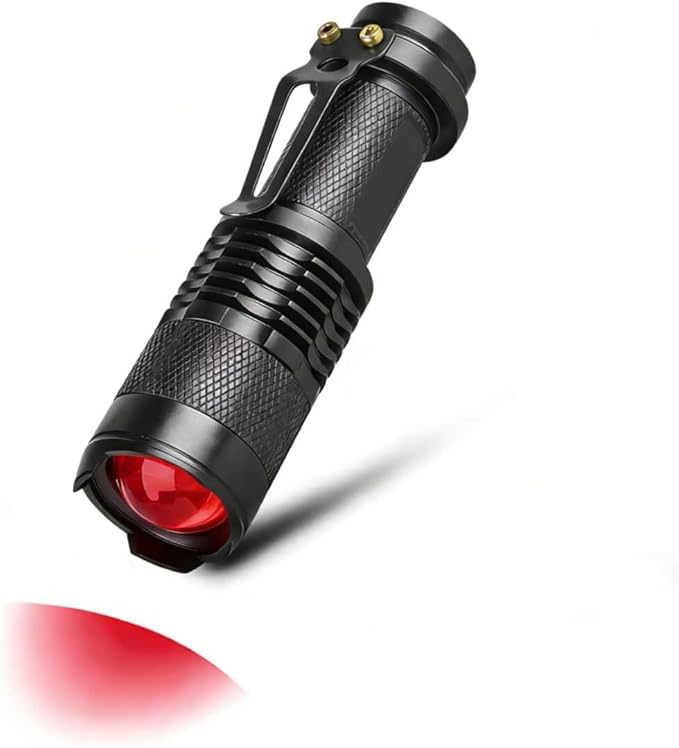
Red Dot Flashlight with Adjustable Beam

Optional
$12-25

Low-intensity red LED flashlight for reading charts and taking notes during dawn/dusk/night observation without destroying night vision

Get This Item

Compact Field Binoculars (8x25 or 10x25)

Optional
$25-60

Lightweight binoculars for examining distant cloud structures, edges, and textures in detail

Get This Item

💙 Shopping through these links helps support IRL Sidequests at no extra cost to you. Thanks for making adventures possible!