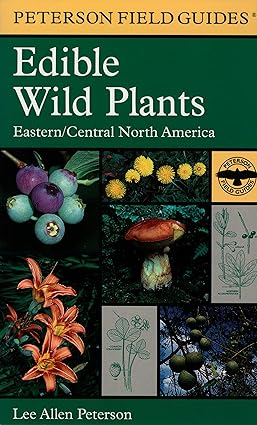
Your city's sidewalks, parks, and vacant lots produce more food than most grocery store aisles—once you know what to look for.
Build a sustainable system for foraging edible plants in urban spaces across all four seasons using ethical harvesting techniques and identification tools.
Urban foraging isn't just picking dandelions in spring. A proper year-round system means understanding phenology—when plants emerge, flower, fruit, and go dormant in your specific microclimate. In January, you're digging chickweed from snow-free patches and stripping dried rose hips. By March, the garlic mustard rosettes are at peak tenderness before they bolt. June brings mulberry stains on every sidewalk, while September offers urban grape vines and black walnuts from parking lot trees. The system works because cities create heat islands and diverse microclimates. That south-facing brick wall? It's protecting wood sorrel through December. The drainage ditch by the highway? Watercress colony thriving on runoff. You'll track 15-20 reliable spots—not just locations, but specific plants you return to across seasons. The wild asparagus patch behind the industrial park. The patch of lamb's quarters that appears every July in the community garden's disturbed soil. This quest teaches you to build harvest schedules, process and preserve finds, and maintain ethical relationships with your patches. You'll learn which park maintenance crews spray herbicides (avoid those areas), how to harvest without depleting populations, and which invasive species you can aggressively forage (autumn olive, garlic mustard, Japanese knotweed) while helping ecosystems. The goal isn't survival food—it's developing the observational skills to see abundance where others see weeds.
Start with spring inventory: Walk your neighborhood in early March with a plant ID app, marking every edible or potentially edible plant on a map. Focus on common species first—dandelion, plantain, chickweed, violet, wood sorrel, garlic mustard. Take photos, note exact locations, observe sun exposure and soil moisture.
Create your phenology calendar: Track when each species emerges, when it's at peak harvest quality, and when it goes to seed or becomes unpalatable. Garlic mustard is best before flowering, mulberries ripen over 3-4 weeks, black walnuts drop in October. Document this in a spreadsheet or dedicated foraging journal with weekly observations.
Establish 5-10 core harvesting zones across different microclimates: A sunny park lawn for dandelions and plantain, a shaded creek corridor for watercress and miner's lettuce, a disturbed lot for lamb's quarters and purslane, a tree-lined street for mulberries and walnuts. Visit each zone weekly during peak seasons to monitor growth and harvest timing.
Learn the local lookalikes and toxic species for your region: Spend dedicated time with a field guide or experienced forager identifying dangerous plants. In most cities, this means knowing poison hemlock vs. wild carrot, virginia creeper vs. wild grape, pokeweed (toxic when mature). Use multiple identification sources and the 'if in doubt, throw it out' rule.
Practice proper harvesting technique: For leafy greens, take no more than 20% from any patch and leave the roots intact. For fruits, harvest when fully ripe but check daily since city wildlife competes. For roots, only dig where populations are dense. Bring scissors or a knife instead of pulling plants, and avoid harvesting within 50 feet of busy roads due to heavy metal contamination.
Build preservation systems for abundance periods: When mulberries ripen, you'll have more than you can eat fresh. Learn to make fruit leather, freeze for smoothies, or ferment into wine. Dry excess wild greens for winter soups. Pickle green walnuts in June before the shells harden. Preserve garlic mustard as pesto. Map out your preservation schedule alongside harvest peaks.
Rotate your patches seasonally and monitor plant health: If a chickweed patch looks stressed or doesn't recover between harvests, leave it alone for a season. Track invasive species you can harvest more aggressively—these are ecological wins where overharvesting helps native plants. Document changes: Is that vacant lot getting developed? Are the mulberry trees being removed?
Join or create a local foraging network: Connect with others through social media groups or foraging walks. Share phenology data, new patch locations, and harvest tips specific to your city's ecosystem. Urban foragers often develop territorial knowledge—which neighborhoods spray, where the best patches hide, seasonal timing variations between north and south sides of the city.
Study winter foraging to complete the year-round system: This is what separates casual spring foragers from systems thinkers. Learn to identify dried seedheads of useful plants, harvest dormant roots like burdock and dandelion, strip bark from invasive trees, and recognize evergreen edibles like chickweed, dead-nettle, and winter cress that grow through mild spells.
Document everything for year-over-year improvement: Your second year will be exponentially more productive than your first because you'll know exactly when and where to look. By year three, you'll predict harvest windows within days and know which patches produce best in wet versus dry years. Build institutional knowledge of your urban ecosystem.
Get everything you need to make this quest amazing.
Canvas or mesh bag with 3-4 separate sections and shoulder strap
Get This ItemAI-powered plant identification app with offline database and toxicity warnings
Get This ItemRegional wild edibles book focused on urban and disturbed habitat plants
Get This ItemJapanese-style serrated digging tool with measurement markings and leather sheath
Get This ItemBypass pruners with spring-loaded handle and safety lock
Get This Item💙 Shopping through these links helps support IRL Sidequests at no extra cost to you. Thanks for making adventures possible!
Hand-selected quests our team thinks you'll love

Cozy, gooey, unforgettable nights.

Turn your kitchen into a mad scientist’s bar.

Sharpshooter bragging rights start here.