Turn that rusted fire escape pattern into wearable art.
Carve and print patterns inspired by manhole covers, brick walls, and architectural details you find in your neighborhood.
Block printing turns the overlooked geometry around you into something tangible. That Art Deco grate outside the bank, the worn brick pattern in the alley, the repeating bolts on a bridge—they're all potential prints. You'll photograph textures during walks, simplify them into carveable designs, then cut them into linoleum blocks using basic tools. The actual printing happens with a roller and ink, no press required. The carving process is methodical, almost meditative. You're removing negative space with gouges, thinking backwards since everything prints in reverse. Mistakes become design features. The smell of ink, the satisfying peel when you lift the paper, the slight variations in each print—it's analog in the best way. Start with simple geometric patterns before attempting intricate ironwork. Your first prints won't be gallery-ready, and that's the point. Block printing rewards repetition. Each pull teaches you about ink consistency, pressure, and paper choice. You'll build a library of urban stamps—some you'll use for cards, fabric patches, zine covers. Others just prove you can translate a drainage grate into art. Keep a dedicated scouting route and revisit it seasonally; rain changes how textures photograph, snow simplifies patterns into high contrast.
Top gear to make this quest great.
Different blade shapes let you carve fine lines, broad areas, and tight curves—essential for translating complex urban textures into printable blocks
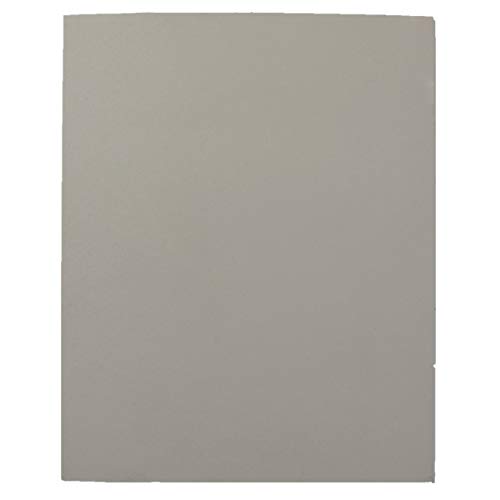
Soft enough for beginners to carve without hand fatigue but holds detail better than rubber or foam; 4x6 size matches common paper dimensions and gives room for pattern repeats
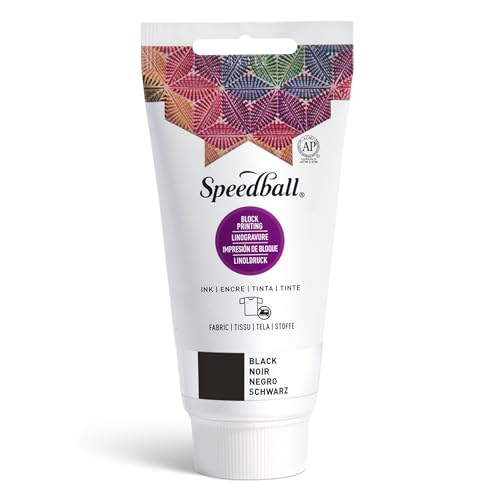
Cleans up with soap and water but dries permanent on paper; proper viscosity for hand-burnishing without a press, unlike acrylic paint which dries too fast
Shopping through these links supports IRL Sidequests at no extra cost to you.
Scout textures on a 30-minute walk. Look down at sidewalks, up at cornices, close at weathered wood. Photograph 10-15 patterns with your phone, getting close enough that the texture fills the frame. Morning or late afternoon gives you shadow detail.
Choose one simple pattern—manhole covers work well for beginners because they're already symmetrical. Open your photo in any editing app and increase contrast until you see clear black and white shapes. Sketch this simplified version on paper at your block size (4x6 inches is manageable).
Transfer your design to the linoleum block. Trace over your sketch with graphite pencil, flip it face-down on the block, then rub the back hard with a spoon. The graphite transfers in reverse, which is what you need. Go over faint lines with a Sharpie directly on the block.
Carve away negative space using a U-gouge for broad areas and a V-gouge for detail lines. Always carve away from your body and keep your holding hand behind the blade path. Work slowly on your first block—the linoleum cuts easier than you think. Leave raised areas that will catch ink.
Roll a thin, even layer of block printing ink onto a glass or acrylic surface using your brayer. Roll the inked brayer across your carved block in multiple directions until the raised surfaces are evenly coated. Don't flood it—too much ink fills in your carved details.
Place your paper on the inked block (not the other way around). Burnish the back using a wooden spoon in firm, overlapping circles. Apply even pressure for 30-45 seconds. Peel one corner slowly to check coverage before fully removing. If it's patchy, you can re-ink and print again.
Document each print with date and texture source. Let prints dry flat for 20 minutes. Test different papers—newsprint gives a rough vintage look, cardstock prints crisp and clean. Print the same block in different colors or layer multiple blocks for complex compositions.
Get everything you need to make this quest amazing.
Different blade shapes let you carve fine lines, broad areas, and tight curves—essential for translating complex urban textures into printable blocks
Handle and interchangeable gouges (V, U, and knife tips) for carving linoleum
Get on Amazon · $12-18Soft enough for beginners to carve without hand fatigue but holds detail better than rubber or foam; 4x6 size matches common paper dimensions and gives room for pattern repeats
Battleship gray linoleum sheets, easy-carve grade without backing
Get on Amazon · $15-20Cleans up with soap and water but dries permanent on paper; proper viscosity for hand-burnishing without a press, unlike acrylic paint which dries too fast
Archival, water-soluble ink in black (other colors optional)
Get on Amazon · $8-12Creates the thin, uniform ink layer necessary for clean prints; foam rollers absorb too much ink and cause blotchy results
Roller with rubber surface for spreading ink evenly
Get on Amazon · $10-15Archival quality means your prints won't yellow; the slight texture grabs ink better than copy paper, giving prints a professional gallery look
Medium-weight acid-free paper designed to absorb ink without bleeding
Get on Amazon · $18-24Shopping through these links helps support IRL Sidequests at no extra cost to you.
Hand-selected quests our team thinks you'll love

Wake up with the birds and see your neighborhood through new eyes.

Your city block has more wild stories than you think—time to capture them frame by frame.

Turn your city into a game board—design quests that make strangers into explorers.