
Learn Block Printing With Found Objects
That crumpled cardboard in your recycling bin? It's about to become art.
About This Quest
Transform everyday objects into printing blocks and create unique repeating patterns on fabric and paper.
Block printing strips away the digital noise and puts creation back in your hands. You're not shopping for expensive tools—you're hunting through your kitchen drawer for bottle caps, wine corks, and that foam produce tray you were about to toss. Each object leaves its own fingerprint: the ridged edge of a bottle cap creates sharp circles, cardboard edges give you geometric lines, and layered foam builds texture you can feel. The process is immediate. Coat your object, press it down, see the result. No screens, no buffering, no undo button. You work in repetition, building patterns that reveal themselves slowly. The first few prints look rough—ink too thick here, pressure uneven there. By print twenty, your hand knows exactly how hard to press. The rhythm takes over: dip, stamp, shift, repeat. You're locked in, and two hours vanish. This isn't about making something perfect for Instagram. It's about understanding how patterns work, how texture happens, how your hand pressure changes everything. You'll end the session with inky fingers, a stack of test prints showing your progression, and maybe a tote bag or pillowcase that's actually yours. The objects you printed with? They sit in a jar now, waiting for the next session. You see them differently—not as trash, but as tools.
Why This Quest Matters
You'll end this session with inky fingers, a stack of progressively better test prints, and fabric or paper that carries patterns only your hands could make. By print twenty, your hand knows exactly how hard to press, and that rhythm—the one where two hours disappear—proves you don't need fancy tools to make something that feels entirely yours. The bottle caps and foam scraps sitting in your jar afterward? They're not trash anymore; they're your toolkit.
What You'll Experience
- How pressure, ink thickness, and object texture combine to create different print qualities
- Pattern-building through repetition, rotation, and layering
- Which household objects make the best printing blocks and why
- Heat-setting techniques to make fabric prints permanent
- The meditative rhythm of analog printmaking
What You'll Need
Top gear to make this quest great.
Pull it off
Speedball Fabric Block Printing Ink Set
Creates permanent, washable prints on fabric that won't crack or fade, unlike acrylic paint which stiffens and peels
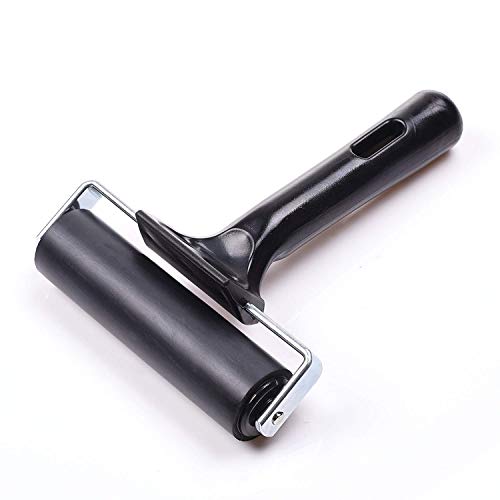
Applies ink more evenly than brushes or direct dipping, especially for carved blocks or larger flat objects, giving you consistent print quality
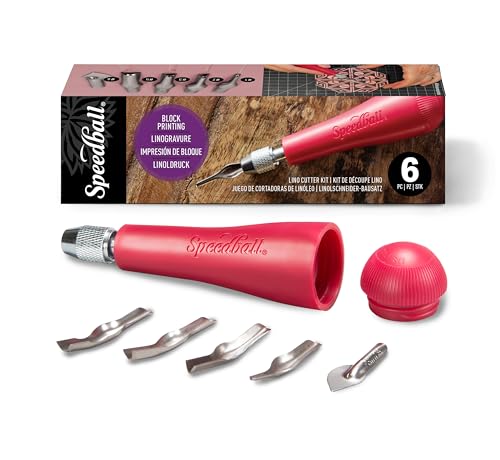
Lets you carve custom shapes and intricate designs into erasers or soft blocks when found objects aren't detailed enough for your pattern vision
As an Amazon Associate I earn from qualifying purchases. Prices may change.
Step-by-Step Guide
Raid your home for print-worthy objects
Hunt through recycling bins, kitchen drawers, and junk drawers for bottle caps, wine corks, cardboard scraps, foam packaging trays, wooden blocks, and rubber erasers. Look for flat surfaces with interesting textures or shapes—ridged edges, geometric forms, anything that might leave a mark worth repeating.
💡 Pro Tips:
- • Test foam trays by carving simple shapes into them with a ballpoint pen for custom patterns
Set up your stamping station
Cover at least three feet of flat surface with newspaper or butcher paper—fabric ink spreads farther than it looks and stains permanently. Pour textile or block printing ink onto a flat plate. Cut your fabric or paper to size now; if printing on fabric, pre-wash it to remove sizing that blocks ink absorption.
💡 Pro Tips:
- • Start with one color until you master pressure and coverage—multiple colors get messy fast
Test each object on scrap paper
Press each found object lightly into the ink, then stamp it onto scrap paper. See how much ink it holds, how clear the print comes out, and what adjustments you need. This is where you discover that bottle caps make sharp circles and cardboard edges give clean geometric lines.
💡 Pro Tips:
- • Note which objects need more or less ink—porous cork soaks it up while smooth caps need just a thin coat
Build your pattern through repetition
Either sketch a pattern plan on scrap paper or dive in intuitively. Apply even pressure with each stamp, holding for two to three seconds without rocking. Create grids, offset rows, rotate objects between prints, or overlap shapes. The rhythm settles in: dip, stamp, shift, repeat.
💡 Pro Tips:
- • Rocking the object sideways smears the print—press straight down and lift straight up
- • Let prints dry five to ten minutes before layering another color on top
Set your work and clean up
For fabric prints, let them sit for twenty-four hours, then heat-set the ink by ironing on the reverse side for three to five minutes. Clean your found objects immediately—dried ink on porous materials like cork becomes nearly permanent. Photograph your test prints and note which objects and techniques worked best.
💡 Pro Tips:
- • Store your best printing objects in a jar so you're ready for the next session
Gear Up for Your Quest
The gear that makes this quest work.
Pull it off

Speedball Fabric Block Printing Ink Set
Creates permanent, washable prints on fabric that won't crack or fade, unlike acrylic paint which stiffens and peels
+ complete the kit — 3 more

Brayer Roller
RecommendedApplies ink more evenly than brushes or direct dipping, especially for carved blocks or larger flat objects, giving you consistent print quality
Small rubber roller used to evenly distribute ink on flat surfaces or printing blocks
Get on Amazon · $6.98 — Brayer Rollerdetails & deals →
Speedball Linoleum Cutter Set
OptionalLets you carve custom shapes and intricate designs into erasers or soft blocks when found objects aren't detailed enough for your pattern vision
Handle with 5 interchangeable carving blades for cutting custom designs into soft carving blocks, erasers, or linoleum
Get on Amazon · $17.99 — Speedball Linoleum Cutter Setdetails & deals →
Speedball Speedy-Carve Block
OptionalProvides a professional carving surface for creating detailed custom stamps when you're ready to move beyond found objects
Soft, easy-to-carve rubber block that cuts cleanly with linoleum tools without crumbling
Get on Amazon · $29.99 — Speedball Speedy-Carve Blockdetails & deals →RELATED GEAR GUIDE
Fermentation & Canning Kit: 8 Beginner Picks
Field-tested picks · Creative Arts
As an Amazon Associate, IRL Sidequests earns from qualifying purchases at no extra cost to you.
Prices and availability are subject to change. The price shown at checkout on Amazon at the time of purchase will apply.
Editor's Picks
Hand-selected quests our team thinks you'll love

Dawn Patrol: Your First Bird Watching Adventure
Wake up with the birds and see your neighborhood through new eyes.

Creative Skills Quest Hub: Learn By Doing
The best way to learn creative skills? Make bad art until it gets good.

Hand-Built Ceramic Bowl Workshop
Your hands built the first bowls 20,000 years ago. They still can.