That rusty manhole cover you walk past? It's about to become wearable art.
Turn sidewalk grates, manhole covers, and brick walls into hand-carved block prints using simple relief carving techniques.
Block printing turns the overlooked geometry of your streets into repeatable art. The diamond pattern of a utility access panel, the weathered grain of a loading dock door, the orderly chaos of stacked bricks—these textures live underfoot and eye-level, waiting to be translated into relief prints. You'll rubbing-capture a texture, carve it into a soft linoleum block, then roll ink across the surface to print multiples on paper or fabric. The process splits into two acts: texture hunting and carving. Morning light rakes across surfaces best, making every rivet and mortar line pop. Bring thin printer paper and a crayon—press the paper against your chosen texture and rub the crayon sideways until the pattern emerges like a fossil. Back at your workspace, tape this rubbing to your block as a carving guide. Speedball carving tools cut away negative space in smooth, controlled strokes. The remaining raised surface becomes your stamp. Inking takes practice but forgives mistakes. A brayer (small roller) distributes water-based block printing ink evenly across your carved surface. Press fabric or cardstock firmly against the inked block, burnish the back with a wooden spoon, then peel away to reveal your print. The beauty lives in imperfection—incomplete ink coverage, slight misregistration, and hand-pressure variations create character that digital reproduction can't touch. After three prints, you'll start seeing your neighborhood as a printmaking supply store.
Scout your neighborhood for high-contrast textures: diamond plate steel, decorative manhole covers, ventilation grates, brick patterns, tree bark, cast iron cellar doors, embossed building numbers, or textured concrete. Look low and high—sidewalk stamps and architectural details both work.
Create texture rubbings on thin printer paper using the side of an unwrapped crayon or graphite stick. Hold paper firmly against the surface and rub in one consistent direction. Capture 3-4 different textures so you have options.
Select your strongest rubbing and tape it face-down onto your soft-cut carving block. Rub the back firmly with a spoon to transfer some graphite as a carving guide, or simply use it as visual reference while carving.
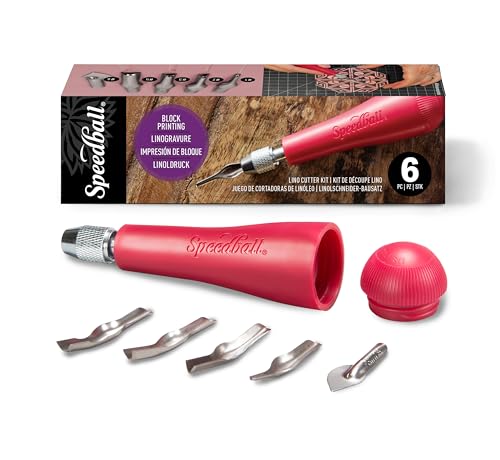
Using the V-shaped gouging tool, carve away the areas you want to remain white in your final print. Start with shallow test cuts to understand how the material responds. The raised areas will receive ink and print dark.
Progress to wider U-shaped gouges for clearing larger negative spaces. Carve away from your body, rotating the block instead of the tool. Keep cuts shallow—you're removing 2-3mm max. Fine details require multiple light passes.
Test your block by pressing it firmly into an ink pad or rubbing a pencil across the surface. This reveals what your print will look like. Refine any areas that need deeper carving.
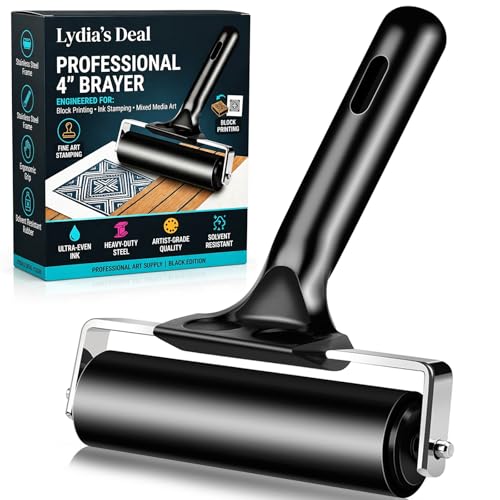
Squeeze a ribbon of water-based block printing ink onto a glass plate or smooth plastic surface. Roll your brayer through the ink until it's evenly coated with a thin, tacky layer—you should hear a slight sticky sound with each roll.
Roll the inked brayer across your carved block in multiple directions to ensure even coverage. The ink layer should be thin enough to see surface texture, not thick and goopy.
Place your fabric or paper onto the inked block. Press down firmly with even pressure using your palms. Burnish the back thoroughly with a wooden spoon using circular motions, paying extra attention to edges and fine details.
Carefully peel back one corner to check ink transfer. If coverage is good, peel the rest away in one smooth motion. If patchy, lay it back down and burnish more.
Hang prints to dry for 24 hours. Water-based ink air-dries without heat-setting for paper prints. For fabric, iron the reverse side for 3-4 minutes on medium-high heat after drying to make the design permanent through washing.
Clean your block and brayer with warm water and dish soap immediately after printing. Store carved blocks flat in a drawer—they'll last for hundreds of prints.
Get everything you need to make this quest amazing.
Soft-cut material carves smoothly with minimal hand fatigue and won't chip like traditional battleship linoleum, making it ideal for beginners capturing detailed urban textures
6x8 inch soft linoleum-like carving blocks, usually sold in 4-6 packs with smooth carving surface
Multiple nib sizes let you carve fine lines from manhole cover details and clear large negative spaces from brick patterns with the same tool handle
Handle with 5 interchangeable nibs including V-gouges, U-gouges, and fine detail cutters
Creates the thin, even ink layer necessary for clean texture transfer—finger-applied ink results in blotchy prints that obscure your carved details
4-inch soft rubber roller with wooden handle for spreading ink evenly
Unlike acrylic paint, block printing ink has the exact tackiness and drying time needed for crisp texture details without bleeding or cracking on fabric
2oz tube of water-soluble relief printing ink in black or dark color
Transform your urban texture prints into usable carry bags that showcase neighborhood geometry wherever you go—gives your carved blocks purpose beyond paper prints
Pack of 6 natural cotton canvas tote bags, pre-washed
As an Amazon Associate, IRL Sidequests earns from qualifying purchases at no extra cost to you.
Prices and availability are subject to change. The price shown at checkout on Amazon at the time of purchase will apply.
Hand-selected quests our team thinks you'll love

Wake up with the birds and see your neighborhood through new eyes.

The best way to learn creative skills? Make bad art until it gets good.

Your hands built the first bowls 20,000 years ago. They still can.