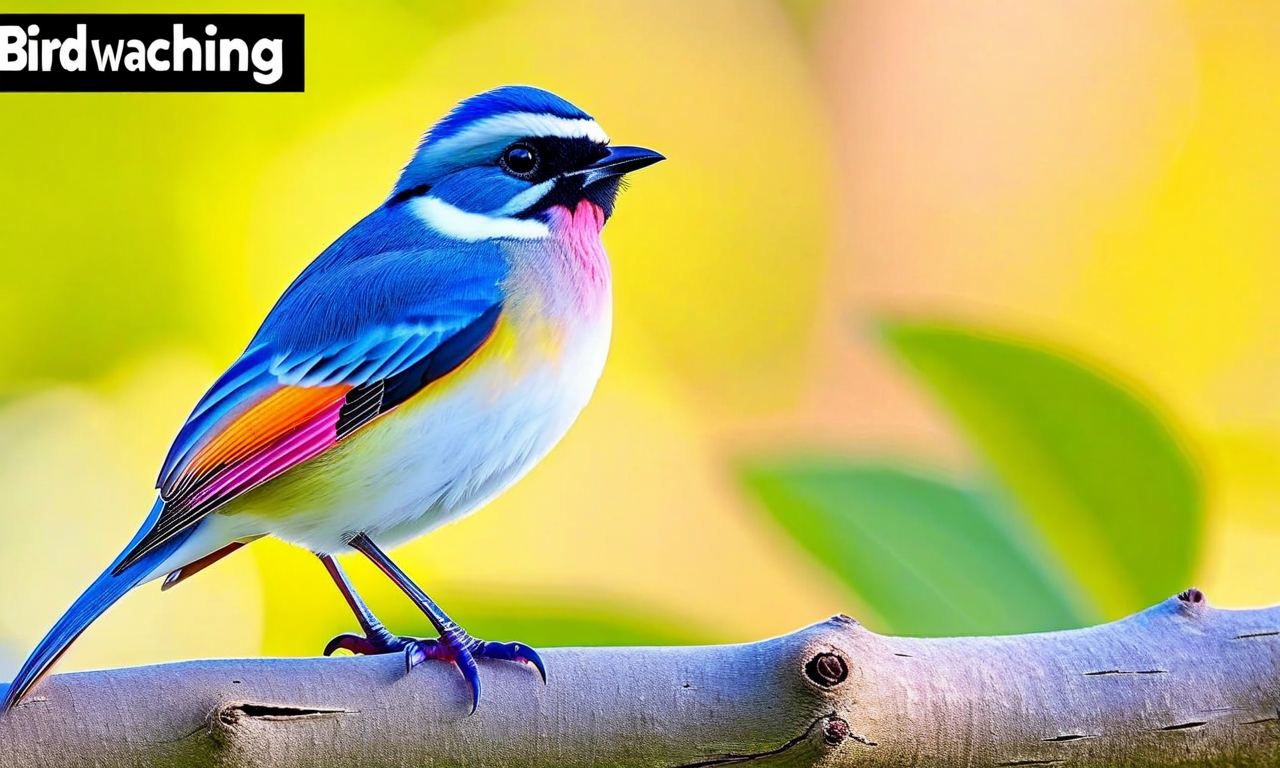
Bird Watching: Track and Identify Local Species
That flash of color in the trees? It's talking to you if you know how to listen.
About This Quest
Learn to identify birds by sight and sound, track migration patterns, and document species in your local ecosystem through hands-on field observation.
Bird watching strips away the noise. You're standing in a park or woodland edge at dawn, when the air is cool and birds are most active. A sharp chip-chip cuts through the quiet—a cardinal defending territory. Then a woodpecker's staccato hammer echoes from dead timber thirty yards out. You're not just looking; you're reading behavior, noting flight patterns, matching songs to species. Early morning and late afternoon offer peak activity. Spring and fall migration windows explode with diversity as warblers, thrushes, and raptors move through in waves. The mechanics are simple: move slowly, stop often, listen first. Birds reveal themselves through sound before sight. A rhythmic tapping means woodpeckers. Harsh squawks signal jays or crows. Melodic trills come from songbirds. Once you hear it, track the source with binoculars, note field marks—wing bars, eye rings, beak shape, tail length. Behavioral cues matter too: Does it creep up tree trunks like a nuthatch? Hover like a hummingbird? Scan from high perches like a hawk? Each species has a signature. This isn't a checklist hobby, though you can track that way. It's pattern recognition across seasons. You'll notice the same red-tailed hawk perched on the same utility pole every Tuesday. You'll catch the exact week warblers return in spring. Winter brings different players—juncos, crossbills, owls hunting at dusk. Water sources, brush piles, and forest edges concentrate activity. Bring field guides or apps for real-time identification. Document what you see through sketches, notes, or photos. The repetition builds fluency until you recognize species by silhouette alone.
Step-by-Step Guide
Scout your location the day before. Look for water sources, berry bushes, flowering plants, or areas with mixed habitat—forest edges meeting open fields concentrate birds. Note any raptor perches or dead trees where woodpeckers feed.
Arrive 30 minutes before sunrise or 2 hours before sunset when feeding activity peaks. Dress in earth tones—browns, greens, grays. Avoid rustling fabrics. Move quietly and avoid sudden movements that spook birds.
Stand still for 5 minutes and listen. Close your eyes. Catalog every sound: chirps, trills, caws, drumming. Try to pinpoint direction and distance. Birds vocalize before they reveal themselves visually.
Scan slowly with binoculars, starting low in shrubs and working up to canopy. Look for movement—tail flicks, head turns, wing flutters. Check silhouettes against the sky. Note size relative to familiar species like robins or crows.
When you spot a bird, observe field marks before consulting guides. Note beak shape (seed-cracking, insect-probing, meat-tearing), plumage colors, wing bars, eye stripes, tail patterns, leg color. Watch behavior: Does it hop or walk? Feed on ground or in trees? Solitary or in flocks?
Use your field guide or birding app to match observations. Cross-reference habitat, season, and range maps. Audio playback features help confirm species by song. Take photos if possible, but prioritize watching live behavior over perfect shots.
Log your sightings with location, time, weather, and behavioral notes. Track patterns over weeks: Which species appear when? Where do they concentrate? Migration timing? Breeding behavior? Your repeat observations build ecological literacy.
Return to the same spots across seasons. Winter brings raptors, waterfowl, and northern visitors. Spring explodes with migrants and breeding plumage. Summer shows nesting behavior. Fall migration reverses the spring wave with different timing.
Gear Up for Your Quest
Get everything you need to make this quest amazing.
Compact Binoculars (8x42 or 10x42)
EssentialMid-range magnification binoculars with 42mm objective lens for bright, clear images in low light conditions
Get This ItemRegional Field Guide (Physical or Digital)
EssentialSpecies identification reference specific to your geographic region with range maps, illustrations, and behavioral notes
Get This ItemField Notebook or Birding Journal
RecommendedWeather-resistant notebook with grid or blank pages for sketching field marks, recording behaviors, and tracking patterns
Get This ItemParabolic Microphone or Shotgun Mic (for Serious Enthusiasts)
OptionalDirectional audio recording equipment that isolates and amplifies bird songs from background noise
Get This Item💙 Shopping through these links helps support IRL Sidequests at no extra cost to you. Thanks for making adventures possible!
Editor's Picks
Hand-selected quests our team thinks you'll love

Tabletop Firepit Night
Cozy, gooey, unforgettable nights.

Cocktail Science Lab
Turn your kitchen into a mad scientist’s bar.

Pellet Gun Accuracy Challenge
Sharpshooter bragging rights start here.