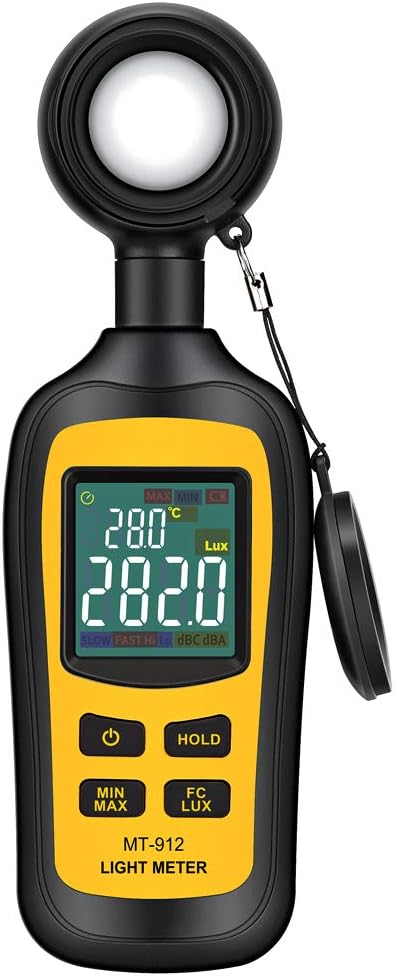
Everyone picks a scene and shoots it three times: at the meter's reading, one stop brighter, one stop darker. Call your winner out loud before the photos come back, then lay all three side by side and see whose eye was right.
Bonus challenge: Hand out two silly awards when the photos land: Best Guess and Most Confidently Wrong.
Accept this questSaves it to your list, no account needed.
Time
2-4 hours per session
Cost
Supplies only
Starter gear from $40
Film is the real cost: roughly $10–20 for a 35mm roll including processing, or about $2 per frame for instant. A used camera body runs $40–150, but borrow or rent one first.
friends, date night, family, solo · Teens 13+ and adults; younger kids can shoot with a grown-up helping
Level
Intermediate
Where
Both
Season
Year-round
Film behaves differently in temperature extremes—keep instant film warm in winter, cool in summer for best color accuracy.
About This Quest
Grab a film camera, one roll or pack, and a couple of friends who like a dare. Each of you shoots the same scene three ways, calls your winner out loud, and nobody finds out who was right until the photos come back. No screen to peek at.
Film hands you a set number of chances and no way to check. A 35mm roll gives you 36 frames. An instant pack gives you eight to ten. That limit is exactly what makes it fun, because suddenly everyone is actually looking at the light.
You'll load up, walk through golden hour and hard midday sun and soft window light, and shoot each scene three times: once as the camera suggests, once brighter, once darker. Beginners are fine here, because the camera's meter does the math and you just make the call. Then you bet on your favorite before anyone sees a thing.
Why This Quest Matters
There's something lovely about a photo you can't delete and retake. You commit, you wait, and days later a stack of prints tells you whether you read the light right. When one frame comes back exactly as you pictured it in your head, you'll be showing that one to people for years.
What You'll Experience
Make every frame count: With 36 shots or fewer, you'll slow right down and actually choose your picture.
Chase the good light: See how golden hour, midday glare and window light change the very same face.
Bet on your own eye: Call which of your three versions wins before a single photo comes back.
Watch one appear in your hand: Shield an instant frame, flip it face-down, and wait out the slowest minute going.
What You'll Need
Top gear to make this quest great.
Pull it off
35mm color film
The 36 frames you actually shoot, and the main cost of the session.
As an Amazon Associate I earn from qualifying purchases. Prices may change.
Before You Begin
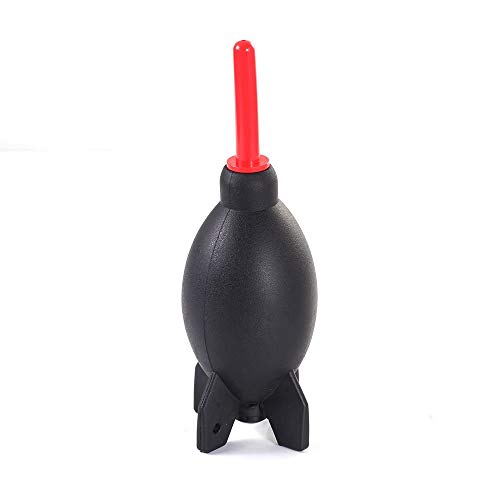
Before you buy anything, ask around. Someone you know has a film camera in a closet and would be delighted to see it used. Essentials: a working camera body (35mm, 120 medium format or instant), fresh batteries if it has a built-in meter, and one roll or pack of film per person. Handy extra: a rocket blower, because a speck of dust turns into a permanent white dot on your scans. Shooting in public streets and parks needs no permission. Keep instant film out of hot cars, and warm it under your coat in cold weather.
Safety Tips
A good quest stays a good story. These are general notes; your gear's manual, the venue's rules and local law come first.
Never pry open or puncture an instant film pack. The pods inside hold caustic developer paste and the pack is sealed for good reason.
If developer paste gets on skin or in eyes, rinse with plenty of water right away and get medical advice.
Keep film packs and any photo chemicals out of reach of children and pets, and never let anyone taste or mouth them.
If you ever go on to develop film at home, that's a different job with real chemicals: nitrile gloves, a ventilated room away from food prep, labeled bottles, no kitchen measuring tools, and the manufacturer's dilution, temperature and disposal instructions followed exactly. Some fixer cannot legally go down a home drain, so check your local waste rules first.
Step-by-Step Guide
1
Round Up A Camera
20 min
Whatever you can borrow today is the right camera. A 35mm body gives you 36 frames and the cheapest film. Medium format gives fewer, bigger, lovelier negatives. Instant puts the photo in your palm in minutes. Pop in fresh batteries if there's a built-in meter, and text your friends to bring theirs so everyone's in the game.
💡 Pro Tips:
• Fire the shutter a few times at a slow speed before you load. If you hear nothing, that camera needs servicing instead of film.
2
Load Up And Go
15 min
Step into shade or a doorway first, because bright light can fog film while you load. For 35mm, pull the leader across to the take-up spool, advance twice so it grips, close the back. For instant, close the camera and fire once so the black dark slide pops out and protects the frames behind it. Then set the ISO dial to the number on your film box and you're shooting.
💡 Pro Tips:
• After loading 35mm, watch the rewind knob as you advance. If it doesn't turn, the film isn't moving and you'll shoot a blank roll.
3
Chase Four Kinds Of Light
60 min
Now go walk together. Shoot at golden hour, in hard midday sun, beside a window indoors and in open shade, and watch how different the same face looks each time. Half-press the shutter and line up the needle or light in the viewfinder, then shoot your scene three ways: as the meter says, one stop brighter, one stop darker. With instant, shield the photo from light for a full 60 seconds and let it develop face-down.
💡 Pro Tips:
• Hold an instant camera at least an arm's length from your subject or the focus won't catch, and tuck it under your coat between shots in winter so the colors don't drift cyan.
4
Place Your Bets
15 min
The fun part of film is the waiting, so make it a wager. Before anyone drops off a roll, each person names which of their three versions will win and why: too bright, too dark, or the camera had it right all along. Say it out loud so there's no quiet editing of the story later. Then drop the film off or set the instants aside face-down.
💡 Pro Tips:
• Jot the frame number next to your call on your phone. Matching the picture to the guess is what makes the reveal land.
5
The Big Reveal
30 min
Here it comes. Spread the prints or scans on a table, or lay out your instant frames, and put each person's three versions side by side. Who called it? Look for blown-out skies, muddy shadows and soft focus, and figure out which choice did it. Then hand out Best Guess and Most Confidently Wrong, with appropriate ceremony.
💡 Pro Tips:
• Keep the losing brackets. Side by side with the winner, they teach you more about reading light than any single good photo does.
6
Book The Next Roll
10 min
You just read light with nothing to check and got some of it right, which is more than most people manage on a first roll. Pick your single best frame and show it to someone who's never shot film. Then dare the group to a rematch with one rule: one camera, one lens, one film stock for a whole month, and you compare at the end.
💡 Pro Tips:
• Pin your winning frame where you'll see it every day. It sets the bar for the next roll better than any tutorial.
You shot a scene three ways on film and called the winner before anyone could see it. Show your best frame to the friend who shot beside you, then pick the date for the next roll.
Grab a friend, one instant camera and a single pack of film, and spend an easy afternoon walking your streets. You get eight to ten shots between you, and every print develops right there in your hand. At the end you each pick a favorite and trade.
Thirty-six pictures and no peeking until they're dry
Want to see your own photographs appear in your hands? Grab a friend, load an old manual camera with black-and-white film, shoot 36 pictures together over a few days, then develop the roll on your kitchen counter and hold the wet strip up to the light together.
3-4 hours (shooting + developing)Date nightGear from $166
Turn your city into a photography classroom with designated practice zones that build real technical skills.
Master urban photography through structured practice zones. Learn street photography techniques, architectural shots, and night exposures across different city environments.