Turn your sketches into wearable art with the same technique used by punk bands and street artists since the 1960s.
Learn beginner-friendly screen printing techniques to create custom patches, posters, and wearable art using photo emulsion methods.
Screen printing feels like magic the first time you pull a squeegee across mesh and see your design transfer perfectly onto fabric. This quest walks you through the photo emulsion method—the same process Warhol used, just scaled down for your kitchen table. You'll coat a screen with light-sensitive emulsion, expose your design using sunlight or a lamp, wash out the stencil, and pull your first prints. The smell of wet ink, the satisfying scrape of the squeegee, the moment you peel back the screen to reveal a crisp image—it's all deeply tactile in a way digital design can never match. Start with something simple: a two-color design, bold lines, high contrast. I learned this at a DIY print shop in Portland where the floor was sticky with decades of ink and everyone's first print came out slightly crooked. That's part of it. Your registration will be off, your ink coverage uneven, but by your fifth pull, you'll find the rhythm. The beauty of screen printing is its scalability—you can print one patch for your jacket or fifty posters for your band. Once you've made your screen, you can print hundreds of times before the emulsion breaks down. This quest focuses on fabric patches because they're forgiving, don't require a press, and you can heat-set them with an iron.
Top gear to make this quest great.
The screen and emulsion are the core of the process—110 mesh is the sweet spot for fabric because it lets enough ink through without bleeding. Pre-stretched frames save you hours of setup frustration.
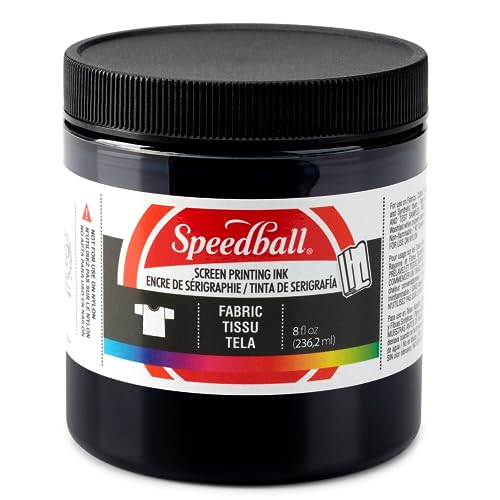
Fabric ink stays flexible after curing so prints don't crack when you move. Water-based means easy cleanup with soap and water, unlike plastisol which requires solvents.
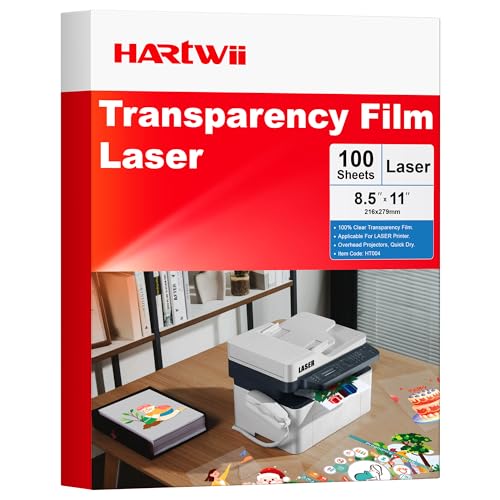
Creates the opaque positive needed to block UV light during exposure. Laser printer output is sharper than inkjet. If you don't have a printer, draw directly on the film with opaque black marker.
As an Amazon Associate I earn from qualifying purchases. Prices may change.
Prepare your design: Create a high-contrast black-and-white image on transparency film or trace paper using opaque ink (laser printer works best, inkjet bleeds). Size it to fit your screen with 2-3 inches of border. Think bold shapes—fine details under 2mm won't survive the wash-out.
Coat your screen: In dim light (emulsion is photosensitive), pour a bead of photo emulsion along one edge of your screen. Use the coating scoop to drag it across in one smooth motion, flip the screen, repeat on the other side. You want a thin, even coat. Let it dry flat in a dark closet or cardboard box for 2-4 hours until it's dry to the touch but still tacky.
Expose your screen: Tape your transparency to the underside of the coated screen (ink side touching emulsion). Place it on a flat surface outside in direct sunlight or under a UV lamp. Cover with a piece of glass or clear acrylic to ensure tight contact. Expose for 15-20 minutes in bright sun (longer if cloudy) or per your emulsion's instructions. The exposed emulsion will harden; the areas under your design stay soft.
Wash out the stencil: Take your screen to a sink or hose. Spray both sides gently with lukewarm water. The unexposed emulsion (your design) will start dissolving and washing away after 30-60 seconds. Don't blast it—use medium pressure. Once your image is clear and you can see through the mesh, let it dry completely (fan speeds this up).
Set up your print station: Tape your fabric patch or t-shirt flat to a board (cardboard wrapped in plastic works). Secure the corners with tape so nothing shifts. Place your screen on top, design aligned where you want it.
Pull your first print: Scoop a line of fabric ink across the top edge of your screen (outside the design area). Hold the screen firmly with one hand. With your squeegee at a 45-degree angle, pull the ink across the design in one steady motion with firm, even pressure. Lift the screen carefully. If the print looks patchy, flood the screen with ink (push it back across without pressure) and pull again.
Cure the ink: Let the print dry flat for 24 hours. Heat-set fabric ink by ironing the back of the print for 3-5 minutes on high heat (or tumble dry on high for 30 minutes). This bonds the ink permanently so it survives washing. Test wash after 48 hours.
Get everything you need to make this quest amazing.
The screen and emulsion are the core of the process—110 mesh is the sweet spot for fabric because it lets enough ink through without bleeding. Pre-stretched frames save you hours of setup frustration.
Includes pre-stretched mesh screen (110 mesh for fabric), photo emulsion and sensitizer, coating scoop, and squeegee
Get on Amazon · $35-50Fabric ink stays flexible after curing so prints don't crack when you move. Water-based means easy cleanup with soap and water, unlike plastisol which requires solvents.
Water-based fabric ink in your chosen color (black or white are most versatile)
Get on Amazon · $8-12Creates the opaque positive needed to block UV light during exposure. Laser printer output is sharper than inkjet. If you don't have a printer, draw directly on the film with opaque black marker.
Pack of clear acetate sheets that your printer can print on
Get on Amazon · $12-18Lets you work at night or in winter without relying on sunlight. A 21-LED UV flashlight can expose a small screen in 20-30 minutes. Also useful for finding weak spots in your stencil after wash-out.
Handheld UV light for checking emulsion cure and exposing small screens indoors
Get on Amazon · $15-25Canvas holds ink beautifully and doesn't fray like raw cotton. Starting with pre-cut patches lets you focus on printing technique without wrestling fabric scissors. You can sew or iron these onto jackets, bags, or jeans after printing.
Pre-cut blank canvas squares (4x4 or 5x5 inches) ready for printing
Get on Amazon · $10-15As an Amazon Associate, IRL Sidequests earns from qualifying purchases at no extra cost to you.
Prices and availability are subject to change. The price shown at checkout on Amazon at the time of purchase will apply.
Hand-selected quests our team thinks you'll love

Wake up with the birds and see your neighborhood through new eyes.

That rusted fire escape pattern? It belongs on a tote bag.

Your hands built the first bowls 20,000 years ago. They still can.