Master Regional Sausage Making Techniques
Turn 5 pounds of pork shoulder into 12 links of chorizo that taste better than anything at the butcher shop.
About This Quest
Learn to grind, season, and case traditional sausages from scratch using regional spice blends and time-tested preservation methods.
The smell hits you first—toasted cumin, smoked paprika, and pork fat warming in your hands as you work the spice blend through the meat. Real sausage making isn't about fancy equipment or culinary school technique. It's about understanding fat ratios (30% is the magic number), respecting salt's preservative power, and developing the muscle memory to case links without air pockets. You'll start with a regional style—Italian fennel, Mexican chorizo, or German bratwurst—each with its own spice architecture and grinding coarseness. The meat grinder attachment transforms shoulder cuts into textured grounds. Your hands become the primary tool, mixing until the farce develops that sticky, protein-rich bind that holds everything together. Natural hog casings, soaked until pliable, snap onto the stuffer tube. You'll learn to feel when pressure is right—too gentle and casings wrinkle, too aggressive and they burst. By your third batch, you'll recognize when seasoning balance is off by smell alone. You'll twist links with even spacing, prick air bubbles without thinking, and know exactly how firm raw sausage should feel before it hits the pan. The first bite of your own merguez or breakfast links—snappy casing, juicy interior, spices blooming on your tongue—proves that the best charcuterie doesn't come from a deli case.
Why This Quest Matters
That first bite—snappy casing giving way to juicy, perfectly spiced interior—proves you've cracked the code that most home cooks never attempt. By your third batch, you'll season by smell, twist links without thinking, and understand why the best charcuterie comes from your own hands, not a deli case. You'll never look at grocery store sausages the same way again.
What You'll Experience
- The 30% fat ratio and protein bind that separates great sausage from mediocre ground meat
- How to grind, stuff, and twist links without air pockets or burst casings
- Regional spice architectures for Italian fennel, Mexican chorizo, or German bratwurst
- When seasoning balance is right by smell and texture alone
- The muscle memory to case sausages with confident, even pressure
What You'll Need
Top gear to make this quest great.
Pull it off
Meat Grinder Attachment with Sausage Stuffer
Controls grind texture and enables consistent casing without air pockets—manual grinders work but require serious arm strength
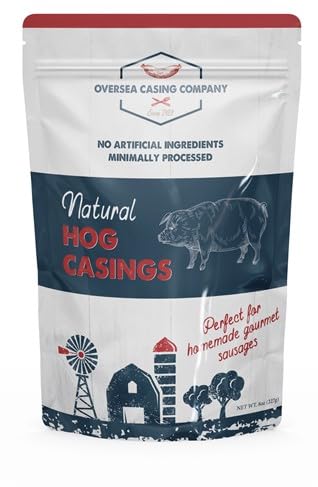
Provides authentic snap and allows smoke penetration for traditional texture—collagen casings lack that satisfying bite
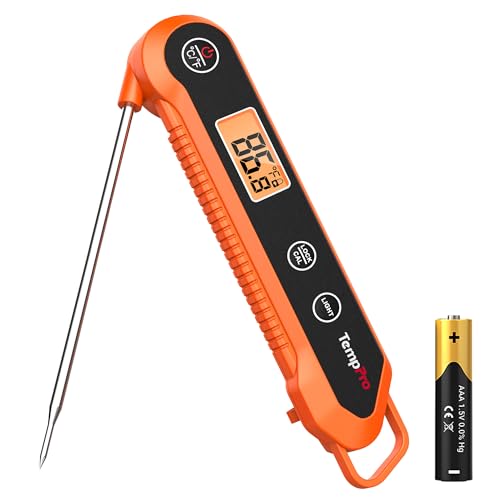
Ensures safe internal temp without overcooking—sausage lives or dies in that 155-165°F window
As an Amazon Associate I earn from qualifying purchases. Prices may change.
Step-by-Step Guide
Chill everything and prep the meat
Freeze your grinder parts, bowls, and meat for 30 minutes—cold fat grinds cleanly without smearing into paste. Cut 3.5 lbs pork shoulder and 1.5 lbs pork fat back into 1-inch cubes, keeping everything below 35°F. Grind through a medium plate (4.5mm) into your chilled bowl, working fast to maintain temperature.
💡 Pro Tips:
- • Temperature control is non-negotiable—warm fat turns your sausage into mush
- • Keep a bowl of ice nearby to rest your grinder on between batches
Mix spices and develop the bind
Fold your regional spice blend, salt, and cure into the ground meat using your hands. Work it deliberately for 2-3 minutes until the mixture becomes tacky and sticky—that's the protein bind forming. Fry a tiny test patty and taste it; adjust salt, spices, or fat ratio now before you commit to casing.
💡 Pro Tips:
- • The farce should feel sticky and cling to your hands when the bind develops properly
Prepare casings and load the stuffer
Flush natural hog casings with cool water, then soak them for 20 minutes until they're pliable and easy to work with. Load your meat into the sausage stuffer, pressing down with your fist to eliminate air pockets. Slide casing onto the tube, leaving 3 inches hanging, and tie off the end with butcher's twine.
Stuff and twist the links
Crank the stuffer slowly while guiding the casing with light finger pressure. Fill the casing firm but not stretched—you're looking for gentle resistance, not balloon-tight. Twist links every 6 inches, alternating direction each time to keep them from unraveling. Prick any visible air bubbles with a sterilized pin.
💡 Pro Tips:
- • If casings wrinkle, you're stuffing too gently; if they burst, ease up on pressure
- • Raw sausage should feel like a firm handshake—yielding but not squishy
Dry and cook your sausages
Hang the links uncovered in your fridge for 2 hours to let casings dry and develop snap. When ready to cook, pan-fry over medium heat, turning frequently until internal temperature hits 155°F. Don't poke them—you'll lose all those juices you worked to preserve.
💡 Pro Tips:
- • Fresh sausages freeze beautifully for up to 3 months; separate links with parchment before freezing
Gear Up for Your Quest
The gear that makes this quest work.
Pull it off

Meat Grinder Attachment with Sausage Stuffer
Controls grind texture and enables consistent casing without air pockets—manual grinders work but require serious arm strength
+ complete the kit — 4 more

Natural Hog Casings (32-35mm)
EssentialPopularProvides authentic snap and allows smoke penetration for traditional texture—collagen casings lack that satisfying bite
Salted natural casings, enough for 10-15 lbs of sausage
Get on Amazon · $14.95 — Natural Hog Casings (32-35mm)details & deals →
Instant-Read Thermometer
EssentialEnsures safe internal temp without overcooking—sausage lives or dies in that 155-165°F window
Digital probe thermometer accurate to 1 degree
Get on Amazon · $8.98 — Instant-Read Thermometerdetails & deals →
Kitchen Scale (0.1g precision)
RecommendedPrecision matters with salt ratios—eyeballing leads to oversalted jerky or undersalted spoilage risks
Digital scale accurate to tenth of a gram for spice and cure measurements
Get on Amazon · $19.79 — Kitchen Scale (0.1g precision)details & deals →
Pink Curing Salt #1 (Prague Powder)
OptionalPrevents botulism in sausages that will be smoked or dried—unnecessary for fresh sausages cooked immediately
Sodium nitrite cure for color retention and safety in smoked or aged sausages
Get on Amazon · $6.25 — Pink Curing Salt #1 (Prague Powder)details & deals →RELATED GEAR GUIDE
Phone Photography Kit: 9 Picks for Better Shots
Field-tested picks · Creative Arts
As an Amazon Associate, IRL Sidequests earns from qualifying purchases at no extra cost to you.
Prices and availability are subject to change. The price shown at checkout on Amazon at the time of purchase will apply.
Editor's Picks
Hand-selected quests our team thinks you'll love

Dawn Patrol: Your First Bird Watching Adventure
Wake up with the birds and see your neighborhood through new eyes.

Creative Skills Quest Hub: Learn By Doing
The best way to learn creative skills? Make bad art until it gets good.

Hand-Built Ceramic Bowl Workshop
Your hands built the first bowls 20,000 years ago. They still can.