IRL Sidequests
Night Photography: Capture the City After Dark - Creative Arts quest for Intermediate level adventurers

Night Photography: Capture the City After Dark

The city transforms when the sun drops—neon bleeds into wet pavement, headlights become rivers of light, and shadows reveal what daylight hides.

About This Quest

Learn to shoot sharp, dramatic night photos of cityscapes and street scenes using long exposure, light trails, and ambient glow techniques.

Night photography strips away the familiar and reveals a parallel version of your city. Between 8PM and midnight, you'll find the sweet spot: enough ambient light from storefronts and street lamps to define shapes, but dark enough for long exposures to turn passing cars into glowing streaks. The goal isn't to fight the darkness—it's to use it. Every light source becomes paint, every shadow becomes composition. You'll start by finding your location during the day—pedestrian bridges over highways are gold for light trails, downtown intersections work for neon reflections in puddles after rain, parking garages offer geometric frameworks. Then return after dark with your gear. Manual mode is non-negotiable here: you control ISO (keep it 800-1600 to manage noise), aperture (f/8-f/11 for sharpness across the frame), and shutter speed (anywhere from 2 seconds to 30 seconds depending on effect). A stable surface matters more than expensive glass. The technical stuff matters, but so does timing. Blue hour—the 20 minutes after sunset—gives you that deep navy sky that makes city lights pop. Full darkness works for pure abstraction. Rainy nights double your light sources through reflections. You're not just taking photos; you're recording time passing through a single frame—the ghost trails of strangers, the pulse of traffic, the hum of a city that never actually sleeps.

Duration
2-3 hours
Estimated Cost
$60+
Location
Outdoor
Season
Year-round
Family Friendly
All ages welcome

Step-by-Step Guide

1

Scout during daylight: Walk your neighborhood and identify 3-4 spots with strong artificial light sources—bridges over roads, intersections with visible storefronts, alleys with overhead lights, or parking structures with geometric lines. Note which direction traffic flows for light trails.

2

Check weather and time blue hour precisely: Use an app like PhotoPills or The Photographer's Ephemeris to pinpoint blue hour for your location (typically 20-40 minutes after sunset). Rainy forecasts are a bonus—wet pavement creates mirror reflections.

3

Set up your stabilization: Arrive 30 minutes before blue hour. Position your tripod or find a stable ledge, wall, or railing. If using a portable stabilizer, ensure it's locked and won't shift during long exposures. Frame your shot with light sources in strategic positions—streetlights as leading lines, neon signs as color accents.

4

Dial in manual settings: Switch to Manual mode. Start with ISO 800, f/8 aperture, and 4-second shutter speed. Take a test shot. Too dark? Increase ISO to 1600 or extend shutter to 8 seconds. Too bright or blown-out highlights? Drop ISO to 400 or decrease shutter to 2 seconds. Use your camera's histogram to check exposure.

5

Capture light trails: For car light trails, use 10-30 second exposures. Frame so vehicles move through your composition diagonally or along curves. Multiple exposures let you layer the best trails later. Avoid shooting directly into oncoming headlights—they'll blow out your frame.

6

Experiment with reflections and people: Shoot puddles, glass storefronts, or rain-slicked streets to double light sources. If people walk through your frame during long exposure, they'll become transparent ghosts—use this intentionally. A 5-second exposure turns a busy sidewalk into an eerie, empty street with streaks of motion.

7

Shoot RAW and bracket: Capture in RAW format to save highlight and shadow detail for editing. Bracket exposures (shoot the same frame at 3 different shutter speeds) to ensure one nails the exposure. Night scenes have extreme contrast—you'll recover details in post-processing.

8

Review and adjust on-site: Zoom into your shots on your camera screen to check sharpness—long exposures reveal any instability. Check for noise (grainy texture) in shadows; if excessive, lower ISO. Adjust framing to eliminate distracting light sources like streetlights directly in-frame creating halos.

9

Change locations mid-session: After 30-45 minutes at one spot, move to your next location. Light quality changes as night deepens—early blue hour suits cityscapes, full darkness suits abstract light play and neon closeups.

10

End with a safety check: Before packing up, wipe down your lens (night moisture creates spots), secure your tripod, and double-check you haven't left lens caps or accessories on ledges. Review your best 5 shots before leaving—if none feel sharp or well-exposed, reshoot for 10 more minutes.

Gear Up for Your Quest

Get everything you need to make this quest amazing.

Compact tabletop tripod with ball head

Essential
$25-40

Lightweight tripod under 12 inches that fits in a backpack, with adjustable ball head for precise angle control.

Get This Item

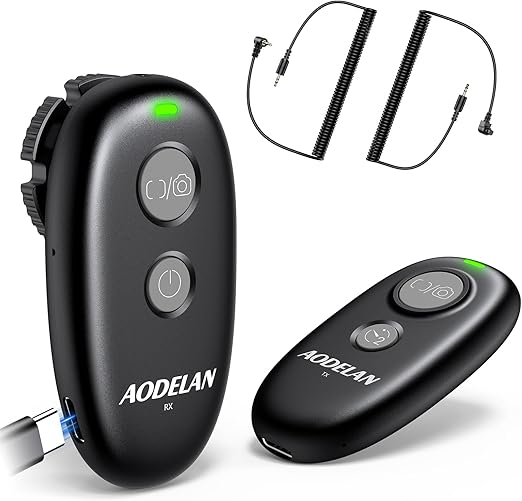
Wired or wireless shutter release

Essential
$12-25

Cable or Bluetooth remote that triggers your camera shutter without touching the body.

Get This Item

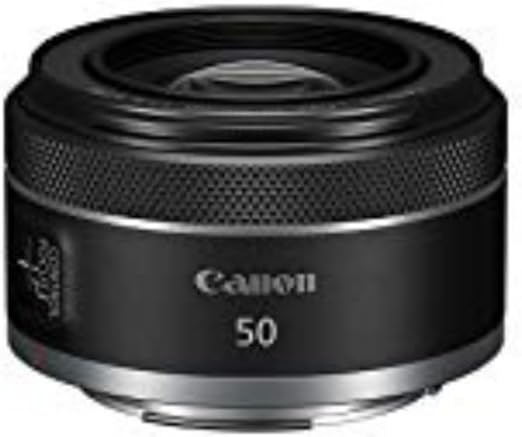
Fast prime lens (f/1.8 or wider)

Recommended
$150-400

Fixed focal length lens (35mm or 50mm) with wide maximum aperture, allowing more light to hit the sensor.

Get This Item

LED headlamp with red-light mode

Recommended
$18-30

Hands-free light source with adjustable brightness and red LED option that preserves night vision.

Get This Item

PhotoPills app

Optional
$12 (one-time)

Planning app that calculates blue hour, golden hour, moon phases, Milky Way position, and augmented reality overlays for shot planning.

Get This Item

💙 Shopping through these links helps support IRL Sidequests at no extra cost to you. Thanks for making adventures possible!